

The ability of the Osun River to support biodiversity is being threatened by pollution and can only be rescued if the contamination ends.
Articles on Phytoplankton
Displaying 21 - 40 of 54 articles
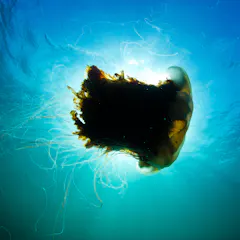
Plankton, some of the smallest organisms on Earth, are leading big changes in the ocean.
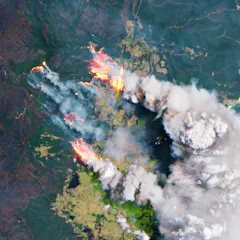
This enormous, unprecedented algal bloom could have profound implications for carbon dioxide levels in the atmosphere and for the marine ecosystem.
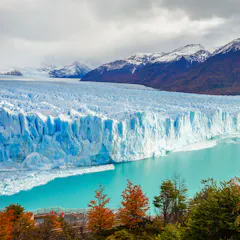
Glaciers aren’t sterile wastelands – they’re chock-full of microscopic life.

These tiny organisms play a huge role in fighting climate change, but they’re under threat.
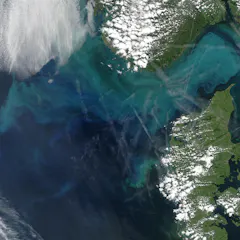
Microscopic ocean phytoplankton feed a “biological pump” that carries carbon from the surface to deep waters. Scientists have found that this process stores much more carbon than previously thought.

Climate change is changing Antarctic krill habitat. The repercussions for the Southern Ocean food web are huge.

The spectacle of glowing dolphins should serve as a timely reminder of our need to conserve the darkness we have left.
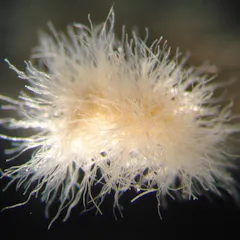
Nitrogen-fixing bacteria help tropical phytoplankton absorb carbon dioxide, creating a biological pump in the oceans.
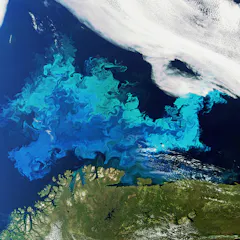
Populations of plankton are in decline. If we push this critical foundation of the marine food chain to extinction, we could cripple ecosystems for millions of years.
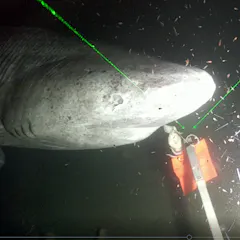
The eastern Arctic and sub-Arctic marine areas of Canada are changing rapidly under climate change.
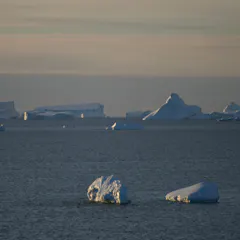
Acidic oceans are disrupting a major part of the carbon cycle, slowing how seas absorb carbon from the atmosphere. This could massively speed up the effects of climate change.v
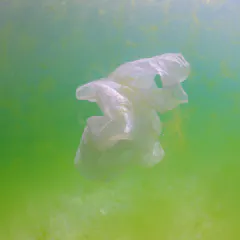
New research shows that chemicals leached from ocean plastic impair the growth and oxygen production of the planet’s most abundant photosynthesiser - endangering marine ecosystems and the climate.
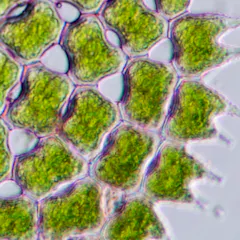
Phytoplankton are tiny, but they do important work.
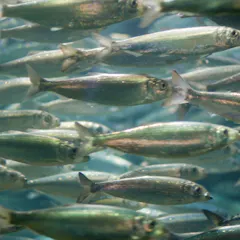
Fish are a key food source for millions of people worldwide. But a recent study finds long-term warming over the next 200 years could starve tiny plankton, with impacts that would ripple up food chains.

Low flows in the Murray River in recent years have harmed tiny marine plants called phytoplankton, with consequences for local marine species and management.
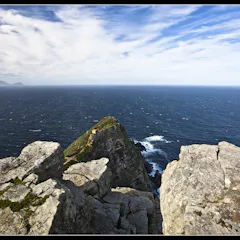
The Agulhas Current plays a critical role in global ocean circulation that influences climatic conditions across the world.
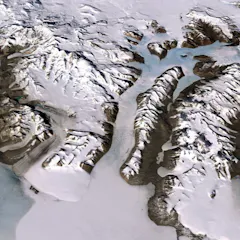
Melting ice from Antartica could feed vast plankton blooms, trapping carbon in the ocean. To understand this complex mechanism, researchers looked at volcanoes deep under glaciers.
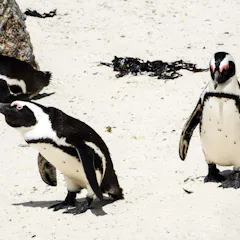
Young African penguins are following the usual cues to feeding grounds only to find that the sources of food in these places is no longer available. This is devastating for their numbers.

Japan’s fleet is on its way to the Southern Ocean for more “scientific” whaling. But a new resolution pointing out the importance of whale poo could help remove Japan’s rationale for lethal research.
Top contributors
-

Associate Professor of Marine Conservation, University of Plymouth
-
Professor, Institute for Marine and Antarctic Studies, University of Tasmania
-
Postdoctoral research associate, University of Tasmania
-
ARC DECRA Fellow/Senior Lecturer, IMAS, University of Tasmania
-
Professor, University of Tasmania
-
Research Scientist, CSIRO
-
Researcher, Remote Sensing and Satellite Research Group, Curtin University
-
Professor, National Oceanography Centre
-
Researcher, School of Biological Sciences, Adelaide University
-
Research Fellow, Bristol Zoological Society and University of Exeter; Extraordinary Professor: Department of Biodiversity and Conservation Biology, University of the Western Cape, University of Exeter
-
Chair Professor, Swansea University
-
Research Fellow, School of Earth & Environment, University of Leeds
-
Antarctic Law Researcher, Institute for Marine and Antarctic Studies and the Antarctic Climate and Ecosystems CRC, University of Tasmania
-
PhD candidate, Adelaide University
-
Research Fellow in School of Earth and Ocean Sciences, Cardiff University