
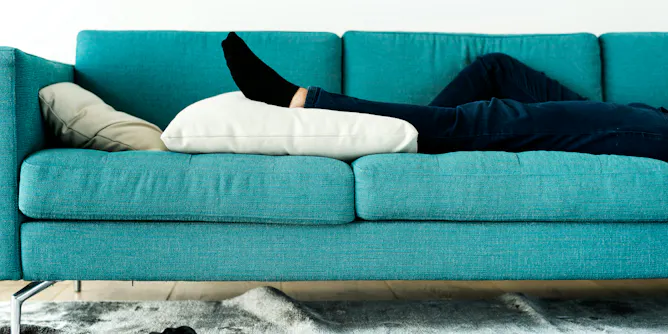
From a biological perspective, being inactive is more than the opposite of being active. Being sedentary results in unique physiological changes that can lead to a variety of health risks.
Articles on Physical inactivity
Displaying all articles

Julian Assange spent years in some form of isolation. Just how damaging can that be for your mental and physical health?
Lifestyle-related dementia risks are complex, with factors like sleep, exercise, diet and social contact interacting with things like cognitive reserve, neuroplasticity and inflammation in the body.

Factors such as having supportive family and friends, safer communities, positive school environments and adequate resources, are often associated with more physical activity.
Physical activity levels decline during the teenage years. Introducing your teen to high-intensity interval training (HIIT) is one way to get them moving and feeling better.
Despite knowing the health benefits of exercise and the harms of inactivity, many of us still struggle to find the motivation to get moving.

Socio-economic factors are major barriers to physical activity. New research suggests this is one more reason why disadvantaged people were at increased risk for COVID-19.
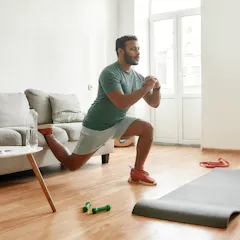
Choosing the right “cocktail” of light activity, exercise and sitting, can improve health and decrease risk of premature death.
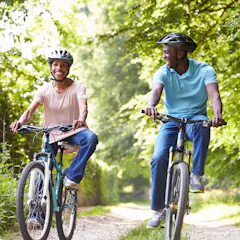
New research suggests people who exercise for 150 minutes a week are half as likely to die from COVID-19 compared to those who are consistently inactive.
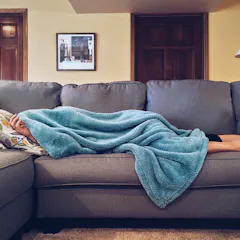
Most people know the benefits of physical activity. However, we tend to be less aware of how damaging inactivity can be, even for short periods — especially for older adults.
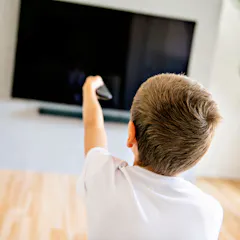
The average Australian school kid spends more time watching TV or gaming and less time being active over their summer holidays. Could more chores be the answer?
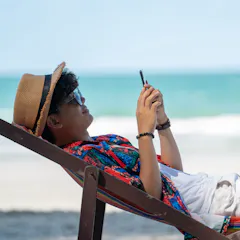
Moving daily is essential to keeping ourselves healthy.
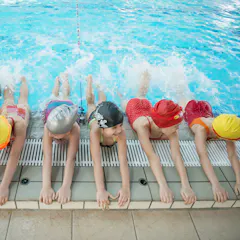
Our new research shows that children who are physically active every day tend to perform better in exams.

Recent findings say that sitting around is a ‘first world’ problem. In reality, it’s a bit more complicated than that.
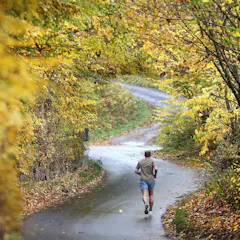
Activity tracking devices are boosting people’s desire to make healthy lifestyle changes – and stick to them

The first step in reviving a lost sporting culture is to involve young Australians in working out why sport has lost its appeal and how to reverse the decline in youth participation.
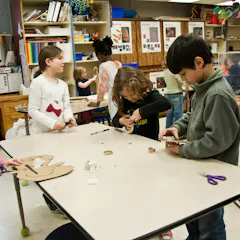
Aren’t there huge health benefits to staying physically active, for adults? Why should it be any different for children?
Top contributors
-

Professor, research professor in exercise, nutrition and activity, Adelaide University
-
Department Chair Environmental & Occupational Health & Director of the Ergonomics Center, Texas A&M University
-
Lecturer in Psychology, University of Strathclyde
-
Senior Lecturer in Skill Acquisition and Motor Control, University of Technology Sydney
-
Lecturer in Sport and Exercise Science, Newcastle University
-
Reader in Clinical Exercise Physiology, Liverpool John Moores University; University of Liverpool
-
Doctoral Researcher, Public Health, Ghent University
-
Associate Director of the Social and Public Health Sciences Unit, University of Glasgow
-
Professor Health Behaviour Dynamics, Glasgow Caledonian University
-
Economist, Ghent University
-
Assistant Professor in Nutrition and Healthy Aging, University of British Columbia
-
Affiliate Professor, Department of Family Medicine, McGill University
-
Associate Lecturer, University of Newcastle
-
Professor Health Behaviour Dynamics of People, Places and Systems, Glasgow Caledonian University
-
Professor of Public Health, Assistant Deputy Vice-chancellor Research, University of Technology Sydney