
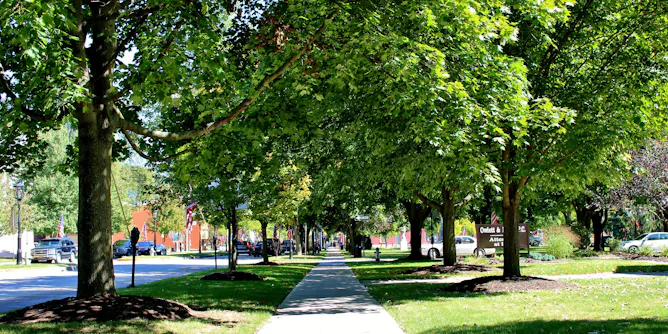
Trees – and all plants – harvest sunlight to gain the energy they need to live and grow.
Articles on Photosynthesis
Displaying 21 - 40 of 93 articles

Plants aren’t always as good at photosynthesis as you might think. Our research project wants to help them.
Climate modelling that best accounts for the processes that sustain plant life predicts plants could absorb up to 20% more CO₂ than the simplest version predicted.
An unusual lake with distinct layers of low-oxygen and high-iron water lets researchers investigate conditions like those in the early Earth’s oceans.
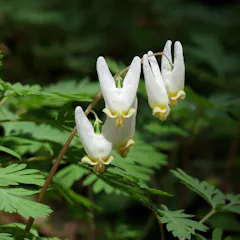
Many beloved wildflowers bloom in early spring, while trees are still bare and the flowers have access to sunlight. Climate change is throwing trees and wildflowers out of sync.

In the deep, dark ocean, sunlight-deprived bacteria turn to different sources of energy: dissolved hydrogen and carbon monoxide.
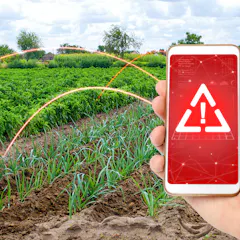
Plants have evolved several ways to deal with heavy metals that might otherwise poison or kill them.
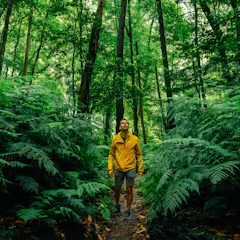
People wouldn’t last long without the countless other species we depend on for survival.
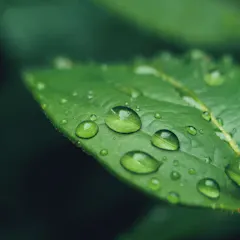
Plants lose huge amounts of water to catch the carbon dioxide they need for photosynthesis – but a new discovery may make them more efficient.

Thanks to their high concentrations of phytoplankton, African lakes emit less CO2 than their boreal counterparts, with important consequences for climate modelling.
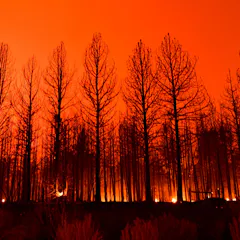
More carbon dioxide in the air doesn’t necessarily mean more growth for trees, and the increasing risk of wildfires and drought has major consequences, as an interactive map shows.
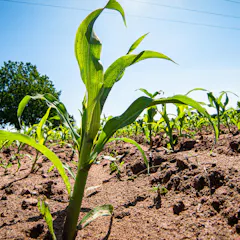
Rising carbon dioxide in the atmosphere may be a boon for maize crops in tropical growing regions like those found in much of Africa.
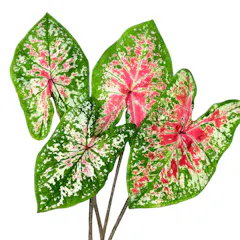
Variegated plants can be more expensive than their all-green counterparts. But there are ways to protect your investment.
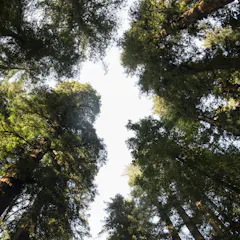
New research shows that coast redwood trees have a surprising adaptation that helps them thrive in both wet and dry environments.
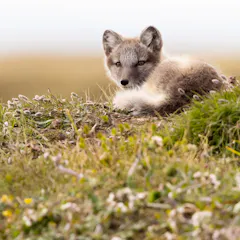
The growing season on the tundra is starting earlier as the planet warms, but the plants aren’t sequestering more carbon, a new study finds.

Southern Tasmania’s cool climate was thought to be a climate refuge for tall forests. But that may no longer be true.
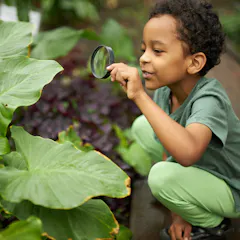
Though you might not think so to look at them, plants have a busy day.
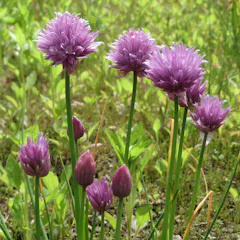
Plants need light to feed themselves, so they grow in ways that help them collect as much of it as they can. Sometimes that’s straight up, but not always.
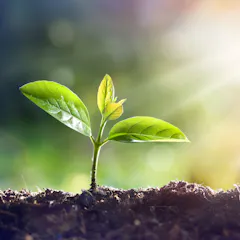
David Attenborough’s new BBC documentary The Green Planet shows plants are stranger than they first appear.
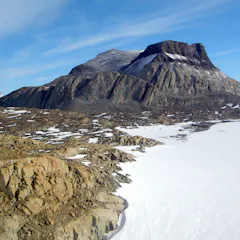
A billion-year-old ‘hydrogen economy’ in the frozen soil of Antarctica provides bacteria with energy, water, and the carbon that makes up their bodies.
Top contributors
-

Associate Professor in Biophysics, University of Pretoria
-
Senior Research Associate, School of Agriculture, Food and Ecosystem Sciences, The University of Melbourne
-
Chief Research Scientist, CSIRO Environment; Executive Director, Global Carbon Project, CSIRO
-
Postdoctoral researcher in photosynthesis, Vrije Universiteit Amsterdam
-
Lecturer, University of Essex
-
Professor, Microbiology, Monash University
-
Associate Head of Research and Knowledge Exchange - Reader in Plant Science, Edge Hill University
-
Senior Lecturer, School of Science and Hawkesbury Institute for the Environment, Western Sydney University
-
Associate Professor, Biological Sciences, University of Sydney
-
Associate Professor of Botany, University of Hawaii
-
Professor of Chemistry, Monash University
-
Professor, Water and Landscape Dynamics, Fenner School of Environment & Society, Australian National University
-
ARC Future Fellow, Australian National University
-
Chief research scientist, CSIRO
-
Professor of Geology, Adelaide University