
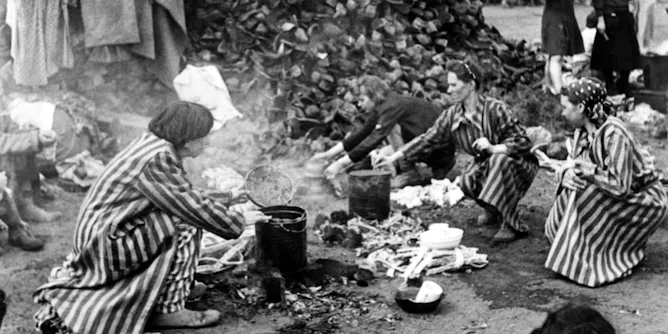
A lack of protective clothing claimed further lives at Bergen-Belsen after the camp was liberated.
Articles on Personal protective equipment
Displaying 1 - 20 of 30 articles
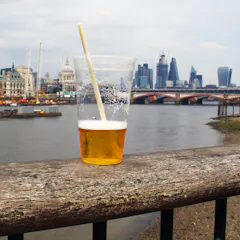
Researchers took samples of the River Thames for two years to track levels of microplastics.
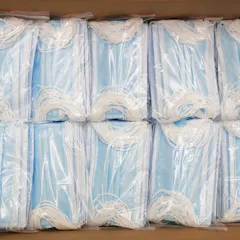
During COVID, rich countries have used masks and gloves from their medical stockpiles. But not all countries are so fortunate. We found the best way to help. It may not be what you think.
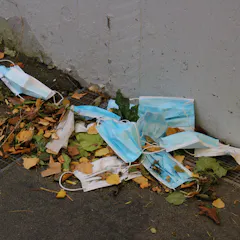
Billions of face masks and other personal protective equipment have been used throughout the pandemic. Containing plastic, these items are damaging wildlife and their environments.
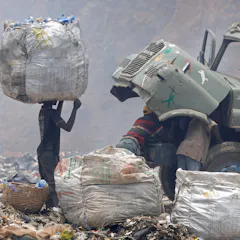
Lagos waste pickers were dissatisfied with their unhealthy working conditions, poverty and stigmatisation.
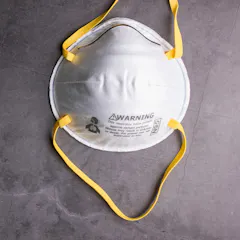
If you’re thinking of upgrading from a cloth or surgical mask to a respirator, here’s what you need to know.

The COVID-19 pandemic revealed how disruptions to global supply chains could also affect access to health care.
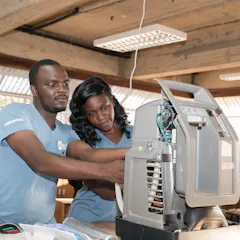
Engineering students in Malawi and Tanzania have used the materials and tools available to them to build ventilators, personal protective equipment and UV disinfection systems.
Food safety agencies have assessed the risk of acquiring COVID-19 from contaminated food or food packaging. They found that currently, there’s no evidence that the virus is a food safety risk.

Whether it’s health-care workers, kids in school or people running errands, Canadians need face masks during COVID-19. There’s no reason they shouldn’t be made here at home.
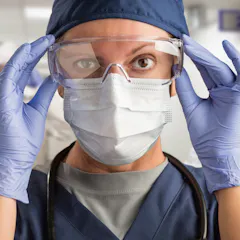
The COVID-19 pandemic has shined a spotlight on another US medical emergency: a serious shortage of nurses.
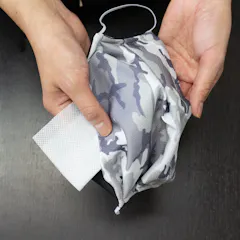
Everything you need to know about non-woven polypropylene, the fabric now recommended for use as a filter in cloth face masks: What it is, what to look for and where to find it.
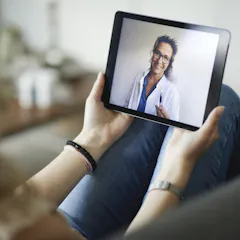
Widely adopted in the US when pandemic precautions kept people home, telehealth faces a challenge as insurance coverage changes, right when its popularity had surged.

As we stare down a second wave of COVID-19, there are far better alternatives to prevent shortages and ensure adequate supply of medical goods than trade restrictions.
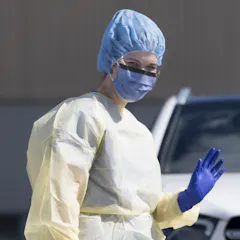
Health-care workers’ access to personal protective equipment, along with appropriate infection control procedures, affected their mental health during the first wave of the COVID-19 pandemic.
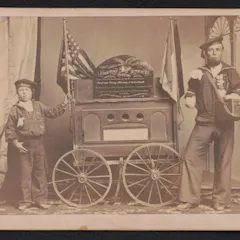
Lessons from history make clear that the federal government can spur medical innovation in a crisis, including this pandemic. Providing certainty and clarity is critical.
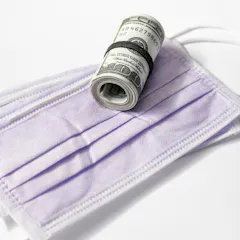
The global pandemic has fueled illicit online sales of COVID-19 commodities, some of which are dangerous or illegal. Researchers are assessing the size and reach of this underground market.
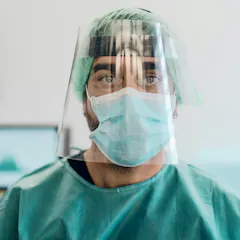
The UK alone may use 10 million disposable items each day, though more sustainable alternatives are available.

Pandemic precautions have given new life to disposable plastic products, which the industry claims are more ‘hygienic’ than reusables. But critics say there’s no scientific evidence this is so.
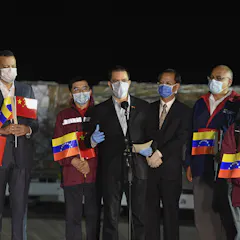
The US may want to rethink its anti-China policy as Beijing’s focus on providing international coronavirus aid and digital and health care investments seems to be working.
Top contributors
-

Associate Professor of Civil Engineering, University of Malawi
-
Associate Professor in Criminology, Deakin University
-
Associate Professor, Chemical Engineering, McMaster University
-
Associate Professor of Health Policy, Management and Leadership, West Virginia University
-
Honorary Professor, The University of Queensland
-
Henry J. Leir Professor of Practice in Economics of the Middle East, Brandeis University
-
Researcher and Adjunct Professor, Food Science , University of Guelph
-
PhD Candidate in Environmental Science, Policy, and Management, University of California, Berkeley
-
PhD Researcher in Geography and Environmental Science, University of Southampton
-
Professor of Bioengineering, Rice University
-
Professor of Sociology, USC Dornsife College of Letters, Arts and Sciences
-
Professor of Primary Care Health Sciences, University of Oxford
-
Professor Emerita, Nursing, School of Nursing and Midwifery, Griffith University
-
Associate Professor of Nursing, University of South Florida
-
Assistant Professor of Sociology, University of Houston