

Around a quarter of women have clinically heavy periods.
Articles on Periods
Displaying 41 - 60 of 79 articles
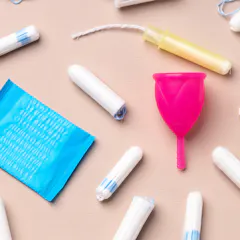
This is not cause for concern, but it’s important information to have.

It would take huge numbers of people submitting bad data to affect the algorithms behind period tracking apps, but even then it would be more harmful than helpful.

A severe shortage of tampons alongside sharp price increases have sparked concerns that lower-income women may have difficulty accessing menstrual products.
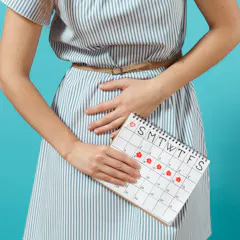
Period delay tablets may help you take control of your menstrual cycle – but only if used properly.
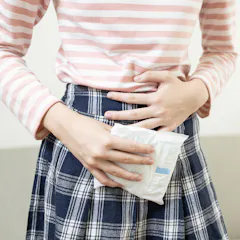
Even though every second person will get their period, it can still come as a shock. Parents can help with good information and support.

Clinicians now able to give a clinical diagnosis of “suspected endometriosis” based on symptoms and a physical examination.
While Australians should have access to menstrual leave, they also need period-friendly policies to manage their symptoms.

Any effects you might notice after stopping birth control are typically due to the return of your natural menstrual cycle.

A new wave of women in sport science is helping us see how women can perform at their best with their menstrual cycle. But there are still gaps and silences – which is why Lydia Ko’s comment matters.
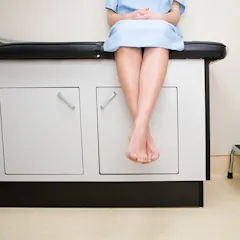
People living with endometriosis wait an average of 7.5 years for a diagnosis. Social science researchers are working to identify ways to help reduce this timeline.

Around 10% of women stop having periods and see the end of their fertile years much earlier than expected.

Menstruating women who sleep less than six hours a night suffer worse periods. But leading treatments for insomnia rarely look at menstrual health.

For too long uniforms have been designed for the male gaze, leading to women being judged for their aesthetic appeal alongside their athletic talent.
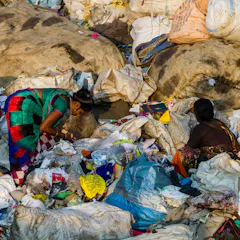
Cultural sensibilities around feminine hygiene products are contributing to a growing environmental crisis.

A trial program will provide free period products in schools in New South Wales, like South Australia and Victoria already do. The rest of Australia must follow suit.
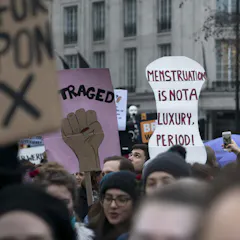
The building blocks towards reducing stigma go far beyond providing period products

Some evidence shows that hormonal fluctuations throughout the menstrual cycle can both increase and decrease athletic performance.
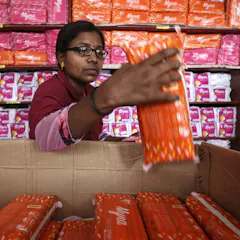
The future of periods could be sustainable and cheap – but action is needed.

A Twitter storm recently erupted over claims ibuprofen can reduce menstrual flow by up to 50%. There is some evidence ibuprofen could make your period lighter – but not by this much.
Top contributors
-

Visiting Fellow in Menstrual Physiology, King's College London
-
Associate Professor at NICM Health Research Institute, Western Sydney University
-
Professor of Adolescent Health, Co-Head of the General Practice Clinical School, University of Sydney
-
Senior Lecturer, School of Business, Western Sydney University
-
Adjunct Lecturer, Sexual and Reproductive Health, University of Sydney
-
Research Fellow, University of Aberdeen
-
Associate Professor, York University, Canada
-
Lecturer and GP, University of Sydney
-
Professor Emerita, Classical Studies, The Open University
-
Associate Professor in Physiology, School of Health, University of the Sunshine Coast
-
Researcher in Sports Studies, University of Tsukuba
-
Senior Lecturer, School of Business, Western Sydney University
-
Reader in Gender Studies, Liverpool John Moores University
-
Senior Lecturer, The University of Melbourne
-
Associate Professor in Contraception, Reproductive and Sexual Health, Anglia Ruskin University