

A lack of political will is one factor preventing youth work from becoming a formal profession.
Articles on Peace and Security
Displaying 121 - 140 of 1619 articles
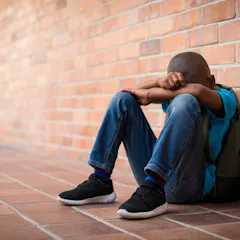
Social initiation practices at school may normalise violence as a means of navigating power and identity among boys.
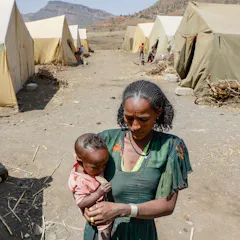
Famine was weaponised as part of a broader campaign of destruction in Ethiopia’s Tigray region.
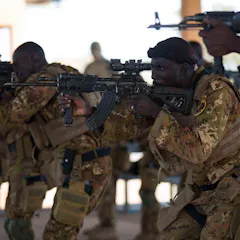
Bamako faces an uncertain future.
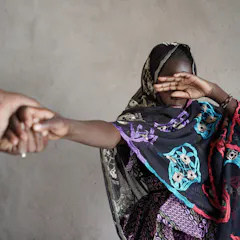
Marriage under the age of 18 harms girls’ health, education and gender equality.
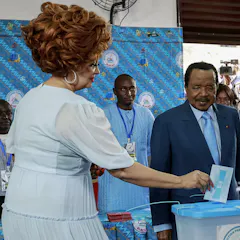
Biya’s triumph might herald a ‘quiet’ resignation.
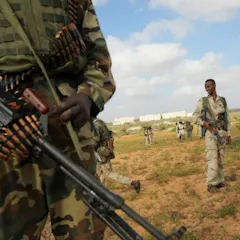
Accepting former Boko Haram fighters back into Nigerian society is a tough task.
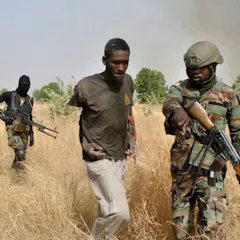
Nigeria has a policy of de-radicalisation of former Boko Haram fighters, but overlooks the voices of soldiers who have to carry out the policy.
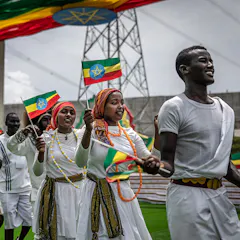
Symbolic attempts at national unity in Ethiopia managed to achieve only short-lived national pride.
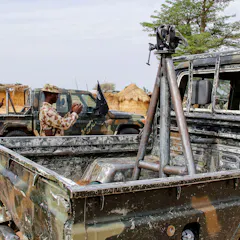
The governments and militaries of the Lake Chad region should prioritise JAS as much as ISWAP in their counter-terrorism efforts.
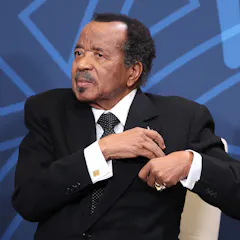
Why does Paul Biya remain at the centre of Cameroon’s political ecosystem?
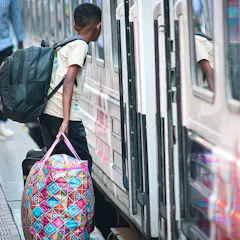
Egypt has hosted more Sudanese refugees than any other country since the start of the 2023 civil war.
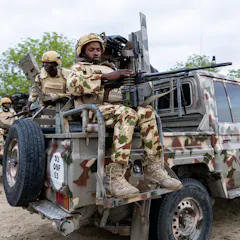
For Nigeria, the arrest of two major terrorist leaders is an important strategic victory but security needs to brace for likely retaliation.
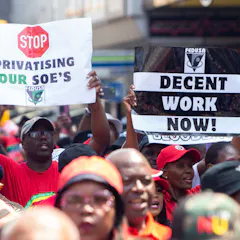
Elites have often shaped or manipulated state policies in ways that protect their interests and reinforce inequality.
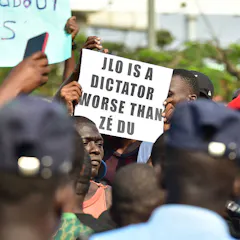
Following weeks of protest, Angola’s parliament quietly wrapped up the legislative year. Once again, local elections were absent from its agenda.
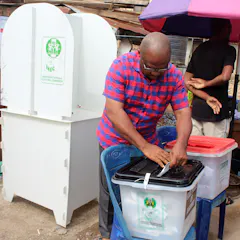
If Nigeria’s 2027 general election repeats 2023’s failures, it might embolden other west African leaders to treat election commissions as political tools.

Would lowering the voting age to 16 enhance young people’s participation in the political processes that affect their lives?
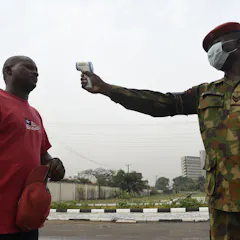
Nigeria’s reliance on soldiers for civilian enforcement comes with serious costs, including human rights abuses, corruption and a rise in violent crimes.
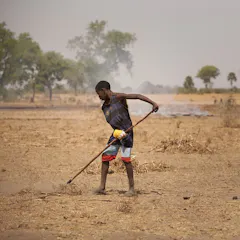
There is growing recognition that the breakdown of the global climate, and vulnerability to its effects, are deeply rooted in histories of colonialism.
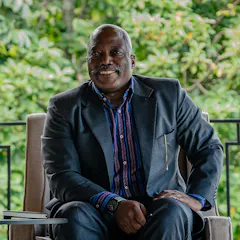
Accusations of treason against former DRC president Joseph Kabila are evidence of the fallout between him and his successor.
Top contributors
-

Assistant Professor, School of Politics and International Relations, University College Dublin, University College Dublin
-
Senior Lecturer in Human Rights, Constitutional Law and Legal Theory, University of Wollongong
-
Extraordinary Professor, Department of Political Sciences, University of Pretoria
-
Honorary Professor of International Relations, University of the Witwatersrand
-
Associate professor in Politics and International Relations, Leeds Beckett University
-
Professor of Political Science, Department of Political Studies and Governance, University of the Free State
-
Professor of Sociology, University of the Witwatersrand
-
Professor of Democracy, University of Birmingham
-
Associate Professor of International Studies, University of Nottingham
-
Associate Professor International Law, Roskilde University
-
Professor, Weber State University
-
Professor of Sociology in the Department of Sociology and Social Anthropology., Stellenbosch University
-
Associate Professor, Khalifa University
-
Criminologist / Senior Lecturer, Stellenbosch University
-
Professor of Political Studies, University of Johannesburg