
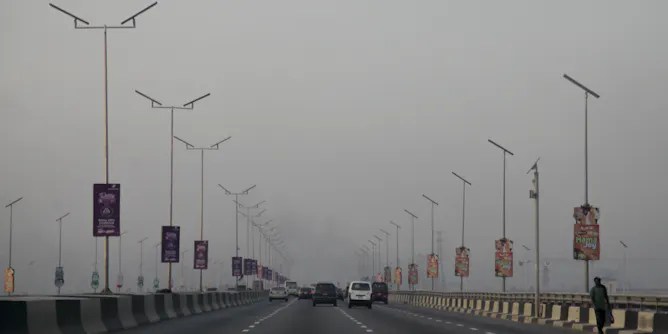
Providing street lighting will need a new approach to infrastructure development.
Articles on Peace and Security
Displaying 61 - 80 of 1619 articles
Most countries avoid using the military for domestic roles.
Deploying the military can reduce violent crime (temporarily) but does not address its root causes.
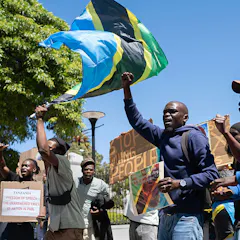
Tanzania’s October 29 protests were framed as an electoral dispute. Research links them to a deeper crisis of blocked adulthood among young people.

Beyond the rights to free movement, the AES withdrawal has real effects on Ecowas in terms of its legitimacy, strength and migrant rights.
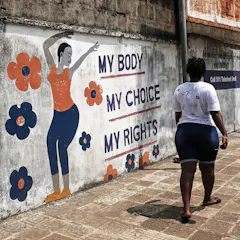
The new laws often shield the wealthy and punish the powerless, especially adolescent couples in relationships.
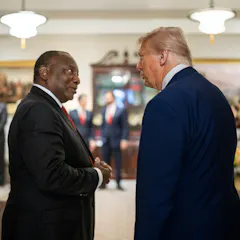
South Africa’s preference for dialogue has become harder to sustain in a polarised world.
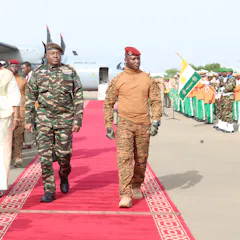
Once in power, military rulers have little incentive to share authority.
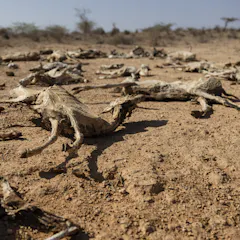
Without rapid cuts to fossil fuels and a shift to clean energy, climate change could drive over a billion into hunger by 2100, hitting Africa hard.
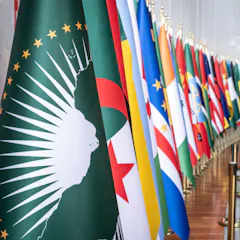
Africa’s leaders must urgently rationalise the mission of regional integration and ensure that common political values underpin its ambitions.
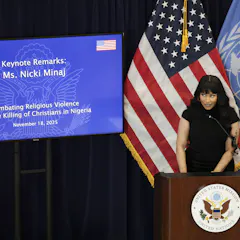
Airstrikes may disrupt militants, but Nigeria’s insecurity is rooted in a governance collapse that military force alone cannot fix.

By the end of this century, parts of Africa could face heatwaves for 250-300 days a year, which will make it difficult for people to survive.
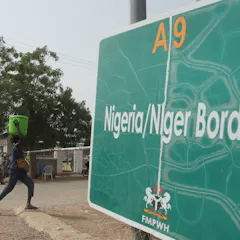
Nigeria’s open borders promise trade but deliver exploitation.
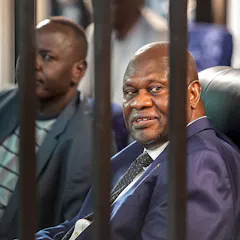
Treating the White Army as synonymous with South Sudan’s opposition serves a political purpose.
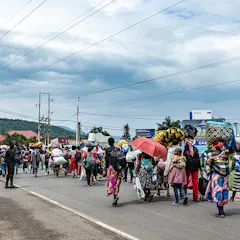
An analysis of the data shows fears of large-scale migration from Africa to Europe are exaggerated.
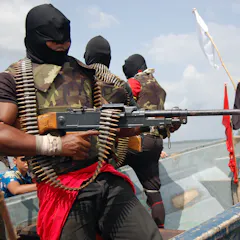
Nigeria’s energy insecurity has become one of its most serious development and security challenges.
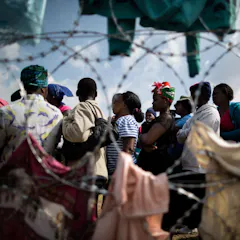
South Africa is driving a radical reform of the way it manages immigration, citizenship and refugees.
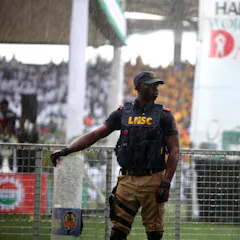
In response to the general state of insecurity in Nigeria, local community groups in Lagos are mobilising and providing solutions.
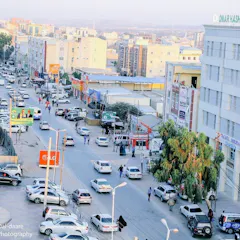
Somaliland’s growing strategic relevance masks its unresolved internal divisions.
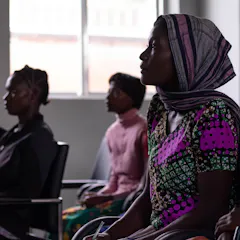
Having a woman president has not translated into improved women’s representation.
Top contributors
-

Assistant Professor, School of Politics and International Relations, University College Dublin, University College Dublin
-
Senior Lecturer in Human Rights, Constitutional Law and Legal Theory, University of Wollongong
-
Extraordinary Professor, Department of Political Sciences, University of Pretoria
-
Honorary Professor of International Relations, University of the Witwatersrand
-
Associate professor in Politics and International Relations, Leeds Beckett University
-
Professor of Political Science, Department of Political Studies and Governance, University of the Free State
-
Professor of Sociology, University of the Witwatersrand
-
Professor of Democracy, University of Birmingham
-
Associate Professor of International Studies, University of Nottingham
-
Associate Professor International Law, Roskilde University
-
Professor, Weber State University
-
Professor of Sociology in the Department of Sociology and Social Anthropology., Stellenbosch University
-
Associate Professor, Khalifa University
-
Criminologist / Senior Lecturer, Stellenbosch University
-
Professor of Political Studies, University of Johannesburg