

Much remains to be resolved before the waiver is translated into increased vaccine supply.
Articles on Patents
Displaying 41 - 60 of 126 articles
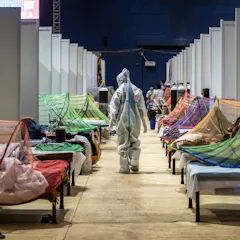
The process will take months, if it’s even approved. But just the threat of waiving intellectual property rights could spur faster action.
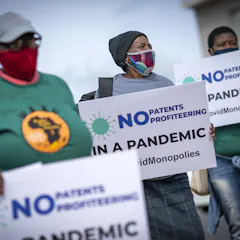
The US has backed a proposal to waive intellectual property relating to COVID measures – but global efforts need to go beyond vaccine patents.
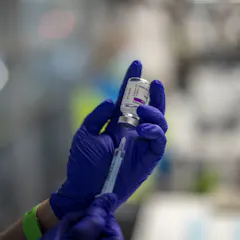
The change in the US position signals how clearly the success of every country in fighting the pandemic depends on vaccinating the whole world.
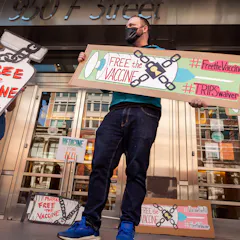
It’s not clear whether the TRIPS agreement is what’s getting in the way of vaccine supply, and waiving intellectual property rights may stifle future innovation.
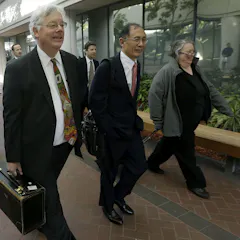
Too many patents and too little information about them makes it hard for the system to weed out patents that unfairly block inventors.
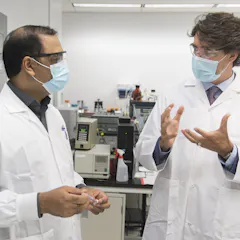
To continue the fast-paced collaborative research and innovation we have seen during the pandemic, here are five ways universities can support health research that responds to societal needs.
Plus new research on why China is closing down coal-fired power stations. Listen to episode 3 of The Conversation Weekly.

The story of invention in America typically features larger-than-life caricatures of white men like Thomas Edison while largely ignoring the contributions of women and people of color.
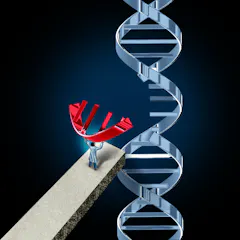
Most scientific discoveries these days aren’t easily ascribed to a single researcher. CRISPR is no different – and ongoing patent fights underscore how messy research can be.
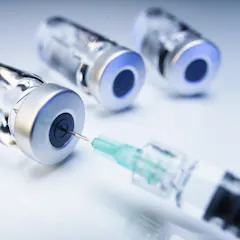
A bioethicist explains a recent report that recommends how to distribute a COVID-19 vaccine equitably.
Many countries recruit overseas talent in science and technology, but China’s approach to gaining intellectual property is particularly aggressive.

Inventors in states with more socially liberal laws on the books end up with more diverse collaborators – and more higher-impact patents.
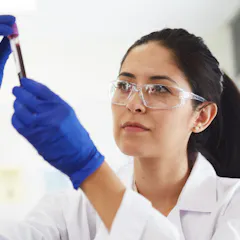
A unique challenge is emerging in the search for a COVID-19 vaccine: how to balance intellectual property rights with serving the public good.
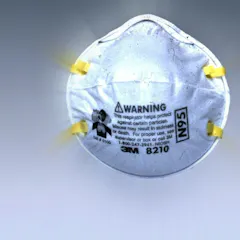
There’s a risk Australia won’t get access to everything it will need need. It can take are simple stepsto make sure patents don’t get in the way.
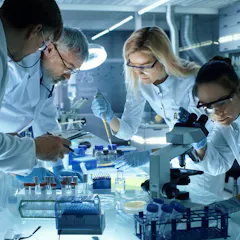
Drug companies normally use patents to protect new treatments.

Car makers need access to the latest telecoms technology, but Nokia refuses to grant licenses because manufacturers won’t pay up. So the disputes begin…

The US defence industry spawned the IT revolution. It gives us tips for how to limit climate change, but not a complete road map.
Patents aren’t the only means of rewarding inventors, and they may not always be the best. Competitions work surprisingly well, if done properly.
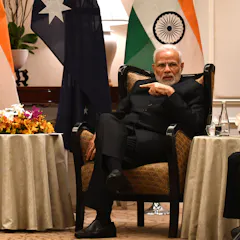
Australia was hoping to get broader access to Indian markets as part of a new trade deal that covers almost half of the world’s population.
Top contributors
-

Professor of Intellectual Property Law, City St George's, University of London
-
Associate Professor, School of Law, University of Canberra
-
Professor of Public Health, La Trobe University
-
Assistant Professor of Resource Economics, UMass Amherst
-
Professor of Law, University of Denver
-
Associate Professor of Public Policy and Women's Studies, University of Michigan
-
DST-NRF SARChI Chair in Innovation Studies, Tshwane University of Technology
-
Lecturer, Faculty of Law, Monash University
-
Tshwane University of Technology
-
Professor of Economics, Loughborough University
-
Associate Professor of Law, Fordham University
-
Professor and Distinguished Research Chair, Globalization and Health Equity, L’Université d’Ottawa/University of Ottawa
-
John M. Thompson Chair in Information Technology and Innovation and Professor, Western University
-
Senior Lecturer in Law, City St George's, University of London
-
Director, Melbourne Institute of Applied Economic and Social Research, The University of Melbourne