
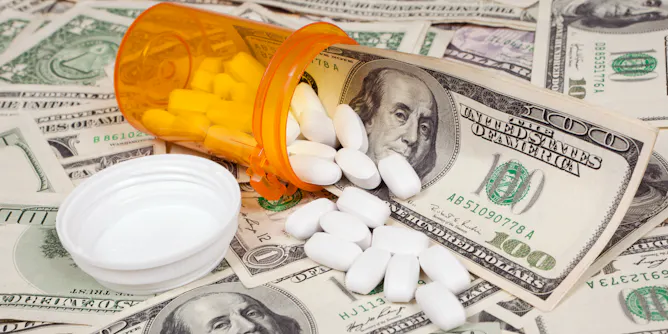
The price cap would have lowered costs for Enbrel, an immunosuppressant drug made by Amgen.
Articles on Patent law
Displaying 1 - 20 of 49 articles

When huge companies assert their patents, smaller businesses and public plant breeders are dissuaded from conducting research that might not be illegal at all.

An inhaler that costs nearly $300 in the US goes for just $9 in Germany. What gives?
The Medicines Patent Pool was created to promote public health, facilitating generic licensing for patented drugs that treat diseases predominantly affecting low- and middle-income countries.

Can software be an ‘inventor’? As courts wrestle with AI patent applications, the law must change to keep up.
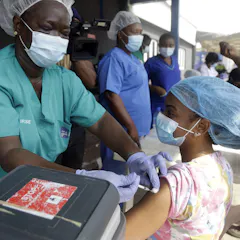
India and South Africa are pressing the World Trade Organization to waive patent rights to help ramp up vaccine production. There’s a better solution.

Too many patents and too little information about them makes it hard for the system to weed out patents that unfairly block inventors.

The story of invention in America typically features larger-than-life caricatures of white men like Thomas Edison while largely ignoring the contributions of women and people of color.

The high court struck down a ban on trademarking ‘immoral’ or ‘scandalous’ words and symbols. A trademark scholar explains why that’s a good thing.

While industry bodies fight over who can claim that their mānuka honey is authentic, Māori interests are often left out of the debate.
The Saint Regis Mohawk tribe has struck a multimillion-dollar deal with Allergan. But the deal may do more harm than good.

Holding patents can be a lucrative and powerful position to be in. Here’s a proposal for how nonprofit patent holders can do more for the common good – and live up to their end of the tax break bargain.
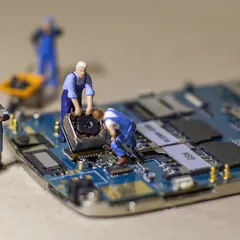
Many companies are working to prevent customers from fixing broken smartphones and tractors. By doing so, they’re missing out on an opportunity to build customer loyalty and boost profits.

Elon Musk struck a blow for open IP, so should other sustainable industries go the same way?
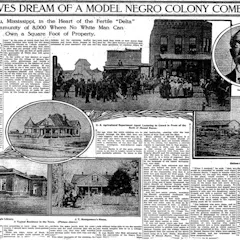
American slaves couldn’t hold property – including patents on their own inventions. But that didn’t stop black Americans from innovating since the beginning of the country’s history.

The ruling in the Apple-Samsung case is ambiguous, ensuring the case will drag on for years more, potentially even ending up back in the Supreme Court.
After nearly two decades of legal battles and negotiations, South Africa is moving to cut the cost of medicines with policies to increase imports and local production of generic drugs.
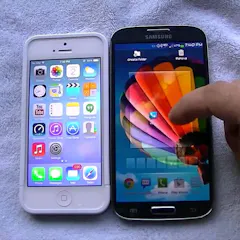
Design patents cover how products look – but how much does appearance contribute to profits?
The Productivity Commission’s report into copyright reform will be good for the public, good for innovation and good for Australia.
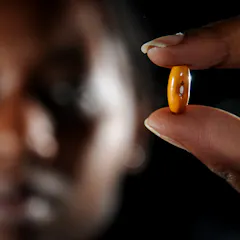
How scientists and corporations are plundering the developing world for new substances.
Top contributors
-

Professor in Intellectual Property and Innovation Law, Queensland University of Technology
-
Associate Professor, School of Law, University of Canberra
-
Professor of Law, University of Denver
-
Associate Professor Politics and Policy Studies, Deakin University
-
Senior Lecturer in Law, City St George's, University of London
-
Adjunct Professor, Murdoch University
-
Chercheuse en développement durable, sciences sociales et technologie, GEM
-
Adjunct Professor, School of Global Studies, Social Science and Planning, RMIT University
-
Associate Professor and Course Leader: Post Graduate Programmes in Clinical Pharmacy in the Department of Pharmacy, Sefako Makgatho Health Sciences University
-
PhD Graduate, University of Tasmania
-
Professorial Visiting Fellow, UNSW
-
Lecturer in Law, Ulster University
-
Professor in Innovation Engineering, University of Cambridge
-
Professor of Commercial Law, Te Herenga Waka — Victoria University of Wellington
-
Visiting Fellow, University of Technology Sydney