
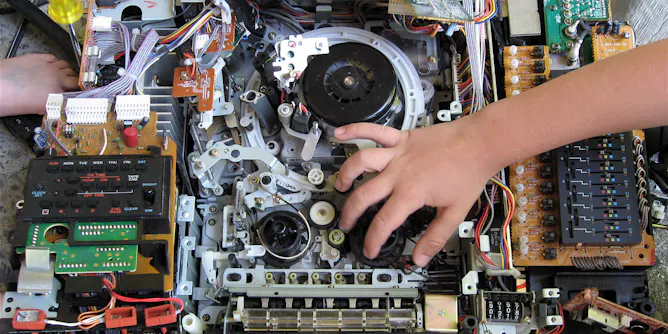
Efforts to use technology to police copyright evolved into companies using copyright law to lock people out of repairing their own devices.
Articles on Intellectual property rights
Displaying 1 - 20 of 51 articles

US lawmakers are looking at intellectual property rights as one weapon in the arsenal against AI-driven deepfakes. New Zealand can learn from how it plays out.
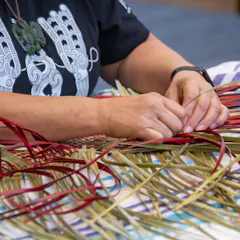
In 2024, two treaties were signed to protect the rights of Indigenous groups. But the second one, signed in November with little fanfare, is the one that could protect Māori knowledge and design.
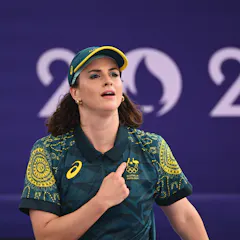
Raygun is unlikely to be able to claim intellectual property over her name, her persona and her dance moves.

Small and medium-sized family businesses are more innovative than you might realize.
The newly signed global Treaty on Intellectual Property, Genetic Resources and Traditional Knowledge might improve the patent system, but is unlikely to improve protection of Indigenous knowledge itself.
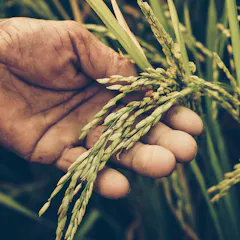
Can you patent something Indigenous peoples already know about? Too often, the answer is yes - but moves are afoot to stop it.

Kylian Mbappé has secured a commercial trademark for his celebration pose, and is looking to protect his name and quotes too.

It may seem extreme, but there’s a reason the law allows it.

In the Fall Economic Statement, the Canadian government signalled its commitment to the right to repair.

Traditionally seen as an American holiday, more Australians are preparing to celebrate Halloween. Here’s what we know about costumes, cosplay and copyright, just in time for the spooky season.

The mānuka honey trademark case shows how Aotearoa New Zealand’s law lacks substantive protections for Māori intellectual property rights.
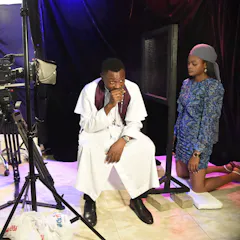
Nigeria’s president, Muhammadu Buhari, recently signed the copyright law. Its provisions will be beneficial only if it is well implemented.
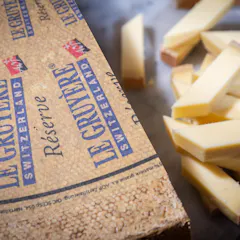
For some producers, the American approach to EU delicacies really grates.
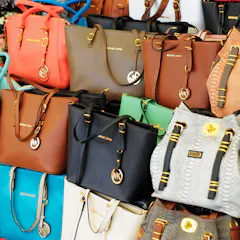
The global trade of counterfeit and pirated products costs countries like Canada billions a year. Governments and industries must come together to protect Canadians.

Artists and photographers have strongly opposed their distinct styles being replicated by AI image generators. And the law has yet to catch up with this issue.

Corporations restrict what farmers can do with their own seeds, as well as their farm equipment when it breaks down.
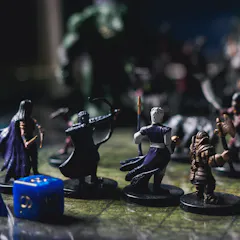
Recent events have forced fans to reconcile their love of Dungeons & Dragons with the reality that the game’s owner, Wizards of the Coast, is a large corporation with commercial interests at heart.

To maintain its competitive edge, the owners of Dungeons & Dragons are proposing changes to the ownership of the game’s intellectual property and the way it makes money.

Plant breeders must now engage with kaitiaki if special relationships with a plant have been asserted. But Māori have no say on the introduction of exotic plants that could become invasive.
Top contributors
-

Professor of Intellectual Property Law, City St George's, University of London
-
Associate professor, University of Canterbury
-
Clinical Professor of International Business, Georgia State University
-
Lecturer in Intellectual Property Law, University of Sheffield
-
Associate Professor, School of Law, University of Canberra
-
Associate Vice President for Entrepreneurship and Innovation, Clemson University
-
Associate Professor, University of Dayton
-
Professor of Commercial Law, Te Herenga Waka — Victoria University of Wellington
-
Professor of Public Health, La Trobe University
-
Senior Lecturer, International Law; Asian Business Law, Monash University
-
Director, Melbourne Institute of Applied Economic and Social Research, The University of Melbourne
-
Professor of Computer Science, Georgia State University
-
Associate professor, Department of Family and Community Medicine, University of Toronto; York University, Canada; University of Sydney
-
Professor of Business Law, University of Michigan
-
Senior Lecturer in Law, University of Westminster