
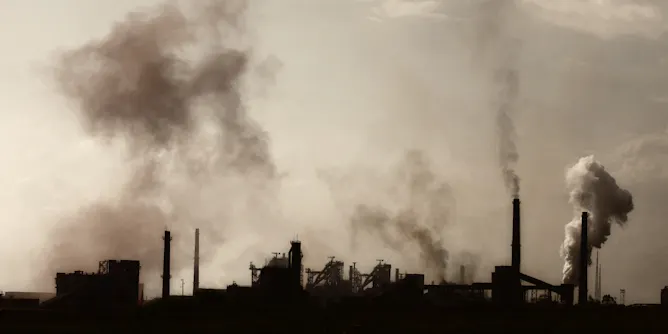
The coronavirus pandemic caused the UN’s annual climate conference to be postponed by a year, but it was also responsible for a drop in carbon emissions. Is it enough and will it last?
Articles on Paris Agreement
Displaying 221 - 240 of 416 articles
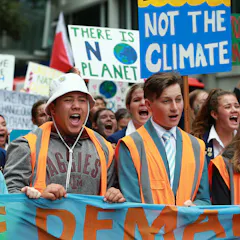
New Zealand’s climate policy is largely copied from other countries, and when judged against objectives such as the 1.5°C target, its actions remain inadequate.
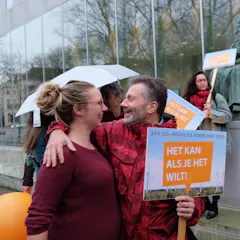
A ground-breaking court case in the Netherlands could influence the way Canadian courts rule on the government’s actions on climate change.
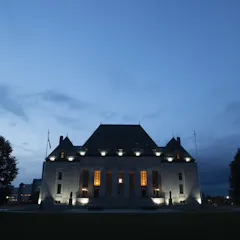
The Paris climate change agreement aims to limit global warming to 1.5C above pre-industrial temperatures — and the federal carbon pricing plan was meant to help Canada meet its commitments.

The report by the World Meteorological Organisation shows that with large and rapid emissions cuts, we can still avoid the most severe climate change. But worryingly, we also have time to make it far worse.
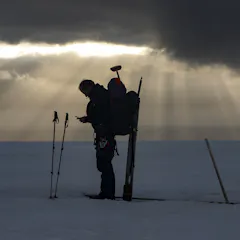
Three decades of growing scientific certainty about climate change have yielded little progress.

The Trump presidency has been a godsend for an Australian government apparently uninterested in significant climate action. But with Trump well behind in the polls, that’s set to change.
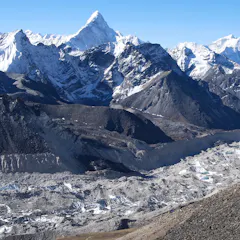
How speculation came to be presented as scientific fact and inspired a decidedly non-glacial race to discover the future of Himalayan glaciers.

To limit warming to 1.5°C above pre-industrial levels, we’ll need to cut global emissions by 7.6% each year this decade. It’s difficult, but not impossible.
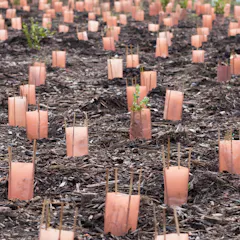
If agricultural land was used to grow crops, it would limit methane emissions from livestock, but not store a substantial amount of carbon. Growing trees is what makes the difference.
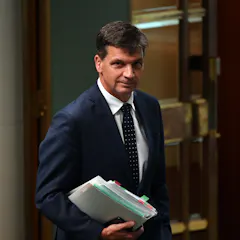
Australia abandoned its moral obligations under Kyoto. By carrying our mistakes into the Paris deal, we risk firming our status as a global climate pariah.
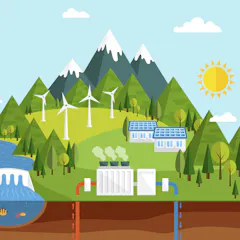
The oil and gas industry was in trouble before the pandemic hit, but now it faces potential collapse. A majority of Canadians want the federal government to invest in a ‘green recovery.’
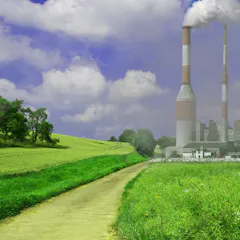
Despite clear air as a result of the pandemic reducing human activities, our emissions still soar.

A decentralised climate organisation, based on blockchain, could help get the world to work together to act against climate change.

Bullet trains are back on the agenda. But a new analysis shows that rather than helping cut emissions, such a project would drive them up for at least 24 years.
The long-awaited paper sets a positive tone. But it’s not clear if the government grasps the sheer scale or urgency of the emissions reduction task.
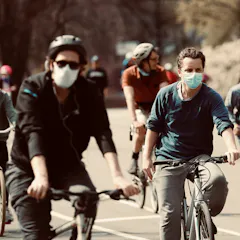
New research reveals which sectors of the global economy fuelled the emissions decline during COVID-19. We have a narrow window of time to make the change permanent.

The coronavirus slowdown provides an opportunity to reset the economy to address climate change.
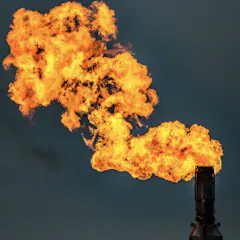
The benefits of gas-fired power are badly overstated, and will take Australia further in the wrong direction on climate change.

Under the Paris Agreement, countries have registered plans to meet emissions reductions, but the current pledges, if fully realised, would take us to 2°C by the 2050s.
Top contributors
-

Adjunct Professor of Energy, Murdoch University
-
Former Visiting Fellow, SPRU, University of Sussex Business School, University of Sussex, University of Staffordshire
-
Research Associate, Institute for Climate Risk and Response, UNSW
-
Professorial Fellow, University of Canberra
-
Chief Research Scientist, CSIRO Environment; Executive Director, Global Carbon Project, CSIRO
-
ARC Future Fellow and Associate Professor in Climate Science, ARC Centre of Excellence for 21st Century Weather, The University of Melbourne
-
Associate Professor in the Frederick S Pardee School of Global Studies, Boston University
-
Professor, Crawford School of Public Policy and Director, Centre for Climate and Energy Policy, Australian National University
-
Senior Researcher, Center for International Climate and Environment Research - Oslo
-
climate campaigner
-
Royal Society Research Professor of Climate Change Science, University of East Anglia
-
Professor in Applied Mathematics, Te Kunenga ki Pūrehuroa – Massey University
-
Professor, Department of Earth System Science, and Chair of the Global Carbon Project, Stanford University
-
Professor of Political Science, School of Regulation and Global Governance, Australian National University
-
Postdoctoral Research Associate in Existential Risk, University of Cambridge