
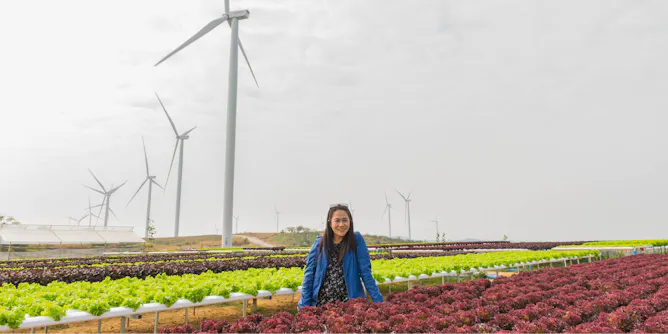
Agriculture needs to cut its greenhouse gas emissions, yet we must also find a way to produce more food if we are to feed 10 billion people by 2050. A “just transition” could help make that happen.
Articles on Paris Agreement
Displaying 281 - 300 of 416 articles
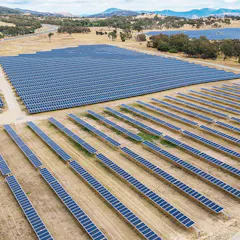
Australia’s government insists it is on track to surpass its emissions reduction commitments under the Paris Agreement. But while that may be true, it will only happen with some clever accounting.
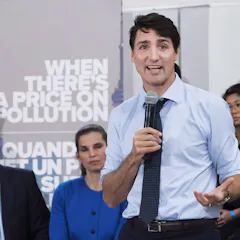
Canada’s top-down approach to designing its climate policy has failed. It needs to find ways to engage with individuals.
Millions of people worldwide are either indifferent to a carbon tax or opposed. If citizens were motivated by potential carbon dividends, maybe politicians would finally take action on climate change.
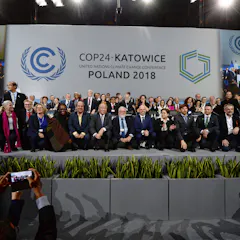
Three years after the Paris Agreement, negotiators have finally agreed (most of) the rules for its implementation. But there is still no way to compel countries to deepen their climate ambitions.
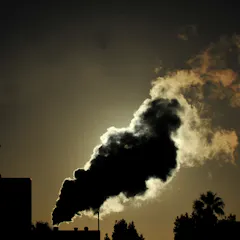
For the second year in a row global greenhouse emissions from fossil fuels have risen, putting 2018 on course to set a new record, according to an annual audit from the Global Carbon Project.

We may only have 12 years to stop climate change and the landmark Paris Agreement of 2015 seems more in doubt than ever. What can we hope to come out of COP24?

As leaders and negotiators head to Katowice, Poland for this year’s round of UN climate talks, it is clear that there is still much work to be done to meet the goals set in Paris three years ago.
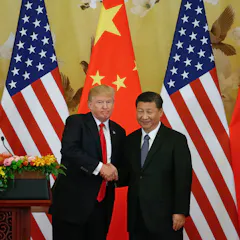
At a time when the rules-based trading system is being shredded and the Paris Agreement risks unravelling, it is vital that the G20 meeting between the two superpowers is a constructive one.
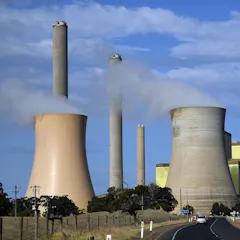
Making the transition to a sustainable energy future also means ensuring that affected communities - such as Australia’s coal workers - aren’t left by the wayside.
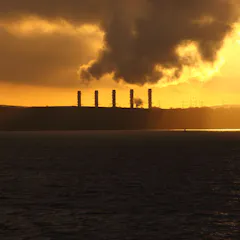
Bill C-69 will slow down Canada’s efforts to transition to a decarbonized and sustainable economy.

While extreme weather conditions represent a considerable challenge globally, some communities have been living with (and adapting to) similar events for centuries.
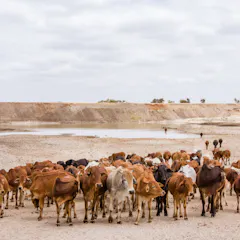
Staying below 1.5°C will require urgent, deep and radical changes in almost every aspect of our lives.
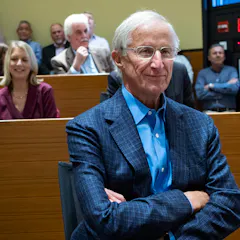
William Nordhaus showed that the market offers the best chance for preventing global catastrophe form climate change.

A too rapid transition to a low-carbon economy would threaten financial stability. A slow transition would run the risk of exceeding irreversible ecological thresholds.
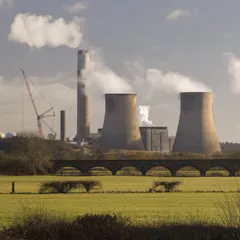
The UK was part of the EU’s collective pledge of emissions cuts ahead of Paris.
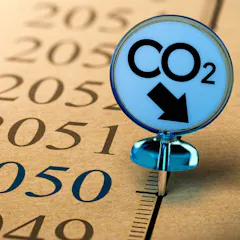
With consultation underway to improve the New Zealand emissions trading scheme, experts argue that a reserve price on emissions units could help rebuild confidence in low-emission investment.

Despite the leaders of both countries being champions of fighting climate change, research shows both Canada and France are failing to train their accountants in sustainability. Why?
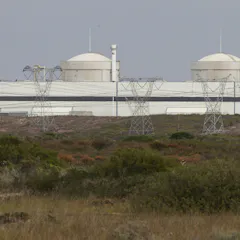
Nuclear energy should be a possibility for African countries.
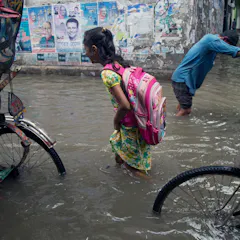
In 2017 18.8 million people were displaced by natural disasters, with floods accounting for 8.6 million. Climate change is poised to drive those numbers higher still.
Top contributors
-

Adjunct Professor of Energy, Murdoch University
-
Former Visiting Fellow, SPRU, University of Sussex Business School, University of Sussex, University of Staffordshire
-
Research Associate, Institute for Climate Risk and Response, UNSW
-
Professorial Fellow, University of Canberra
-
Chief Research Scientist, CSIRO Environment; Executive Director, Global Carbon Project, CSIRO
-
ARC Future Fellow and Associate Professor in Climate Science, ARC Centre of Excellence for 21st Century Weather, The University of Melbourne
-
Associate Professor in the Frederick S Pardee School of Global Studies, Boston University
-
Professor, Crawford School of Public Policy and Director, Centre for Climate and Energy Policy, Australian National University
-
Senior Researcher, Center for International Climate and Environment Research - Oslo
-
climate campaigner
-
Royal Society Research Professor of Climate Change Science, University of East Anglia
-
Professor in Applied Mathematics, Te Kunenga ki Pūrehuroa – Massey University
-
Professor, Department of Earth System Science, and Chair of the Global Carbon Project, Stanford University
-
Professor of Political Science, School of Regulation and Global Governance, Australian National University
-
Postdoctoral Research Associate in Existential Risk, University of Cambridge