
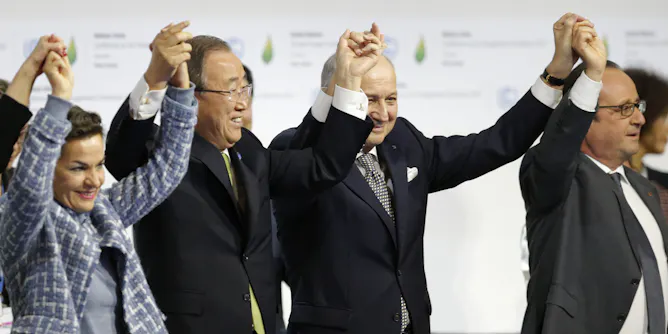
Amid the usual doom and gloom, 2015 brought one big environmental triumph: the first truly global climate deal.
Articles on Paris 2015 climate summit
Displaying 21 - 40 of 256 articles
He ran the show at COP21 but the man who once became France’s youngest Prime Minister is not what the country needs in 2017.
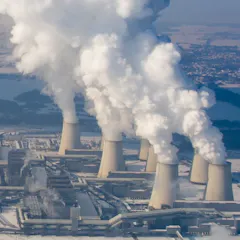
Sometime soon we’ll need to take more carbon out of the atmosphere than we emit – but how?
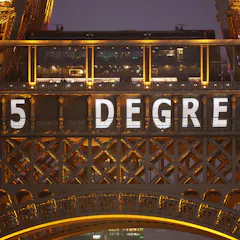
How will the world actually deliver on the Paris climate ambition to hold global warming to no more than 1.5°C? It’s a tough scientific and technical challenge.

It was a successful summit for Europe – at least on paper.

Low-lying islands helped guide the ambitious narrative of COP21 – next time, they should guide the policy.
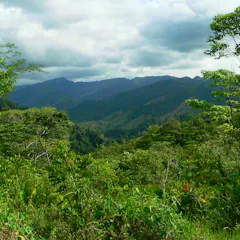
Forest conservation has been a contentious issue in international climate change discussions for years, but now developing countries are embracing the need to protect their forests.
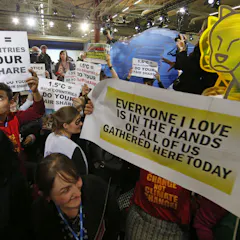
The inclusion of a 1.5°C goal in the Paris climate deal might have surprised some observers. But in reality, the diplomatic groundwork was laid years before.
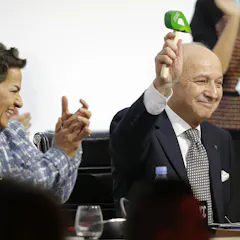
The Paris deal has laid the foundations for real global progress on climate change. On that score, it must be judged a huge success.
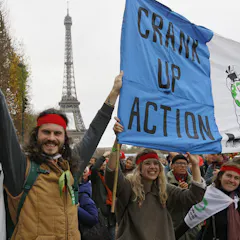
The Paris Agreement recognizes the reality of global environmental pacts: the private sector must lead transition to low-carbon technology and civil society must keep up the pressure to act.
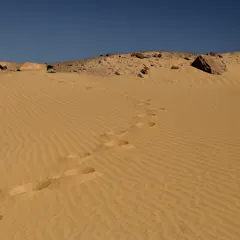
Migration is an important issue but not one that can be ‘solved’ through climate policy.
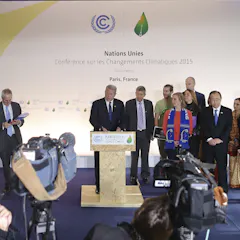
Coverage was generally positive – though there were also two entirely different types of naysayer.
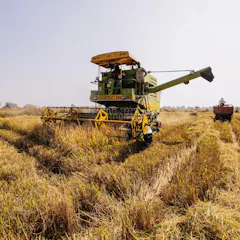
The Paris climate summit yielded a pact to reduce air pollutants that contribute to global warming but missed a chance to address the interlinked effects of agriculture and climate.
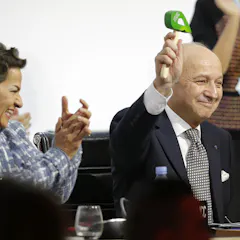
What’s next, now that the Paris climate summit is over? We’ve created a special report for you, featuring two dozen of our best articles on the scientific, political and economic challenges ahead.
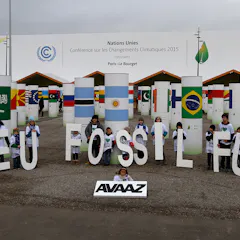
Research universities and nongovernmental organizations have an important role to play in helping countries reach their goals.
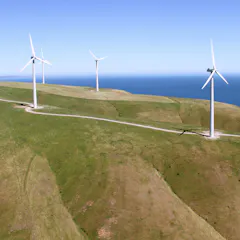
Under the Paris climate agreement, Australia has stated that it will reduce greenhouse gas emissions by 26-28% by 2030 compared to 2005 levels. How will we achieve this?

Scientists need to be comfortable dealing with subjective views, rather than empirical data, and people’s feelings to make progress in addressing climate change.
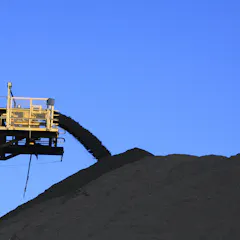
Despite its vital role in the development of Australia’s economy, the future of coal looks grim in a world aiming to limit warming to below 2°C.

The climate agreement is littered with references to a whole range of new and expanded market-based tools.
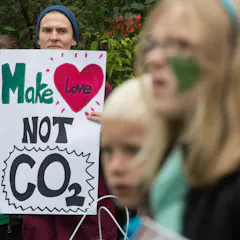
The Paris climate deal has been criticised for not being strong enough. But behavioural economics studies show weak deals can work out better in the long run.
Top contributors
-

Senior Research Fellow and Associate Professor, Melbourne Climate Futures initiative, The University of Melbourne
-
Professor of Public Ethics, Charles Sturt University
-
Research Fellow, Melbourne Sustainable Society Institute, The University of Melbourne
-
Postdoctoral Research Associate in Existential Risk, University of Cambridge
-
Professor of International Relations, The University of Queensland
-
Honorary Fellow, The University of Melbourne
-
Honorary Associate Professor, The Crawford School of Public Policy, Australian National University
-
Professor, Crawford School of Public Policy and Director, Centre for Climate and Energy Policy, Australian National University
-
Chief Research Scientist, CSIRO Environment; Executive Director, Global Carbon Project, CSIRO
-
Associate Professor, Adelaide Law School, Adelaide University
-
A/Prof., School of Earth Sciences, The University of Melbourne
-
Former Visiting Fellow, SPRU, University of Sussex Business School, University of Sussex
-
A.J. Meyer Professor of Energy and Economic Development, Harvard Kennedy School
-
Academic position - Research Associate at the Centre for Resources, Energy and Environmental Law, The University of Melbourne
-
Associate Professor, The University of Western Australia