
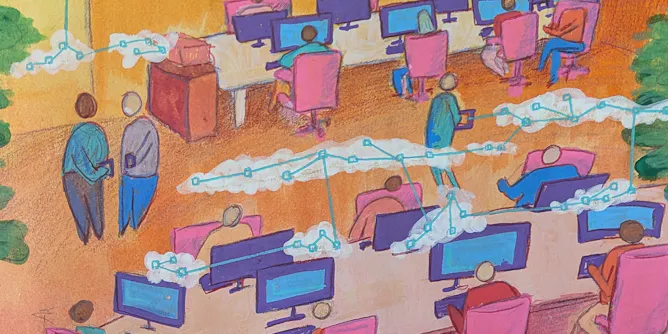
An AI audit of scientific research would likely expose some fraud and widespread inconsequential work. But we need to be careful it doesn’t discredit science in general.
Articles on Paper mills
Displaying all articles

‘Open science’ is a radical shift from traditional research practices. But it can help research integrity in several ways.

The world’s library of scientific papers is becoming contaminated as fraudsters use ‘paper mills’ to game scholarly publishing for profit.

Science sleuths are stepping up efforts to detect bogus science papers. This includes building tools that comb through millions of journal articles for signs of tortured phrases spawned by AI.
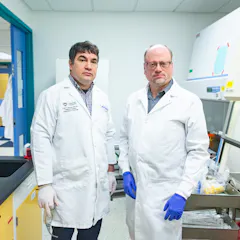
‘Paper mills’ are contaminating the world’s scholarly output with fake papers that hinder research. Lifesaving biomedical fields are especially hard hit.
What is paper mill and how does it work?

Publications drive university rankings and career progression. But the relentless pressure to publish has contributed to an increase in fraudulent data.
AI systems mass-producing cheap research would be bad news for an already struggling scientific ecosystem.

Science rankings rely on papers in academic journals. Broadening the view to include many more open-access journals will upend the usual order – thanks to China’s vast number of publications.
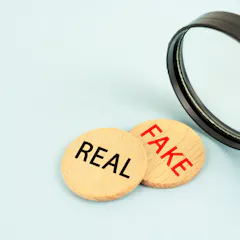
Paper mills rely on the desperation of researchers to fuel their business model.
The only way for science to fight the booming fake research industry is to fund smart, dedicated people to stay ahead of the fraudsters.
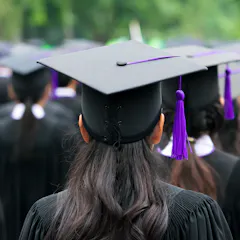
Across Canada and around the world, thousands of students are paying cash for good grades - in tests, essays and even PhD theses. On Oct. 18, 2017, universities globally are fighting back.
Top contributors
-

Professor of Computer Science, Institut de Recherche en Informatique de Toulouse
-
Professor of Computer Science, Université Grenoble Alpes (UGA)
-
Contributing editor, Retraction Watch
-
Professor of Methodology and Integrity, Vrije Universiteit Amsterdam
-
Dean, School of Computing Technologies, RMIT University, RMIT University
-
Associate Professor, School of Biomedical Engineering, University of Technology Sydney
-
Lecturer in Social Psychology, Universitas Airlangga
-
Visiting Fellow, Australian National Centre for the Public Awareness of Science, Australian National University
-
PhD Candidate in Science and Society, Te Herenga Waka — Victoria University of Wellington
-
Professor and Research Chair, Werklund School of Education, University of Calgary
-
Professor of the History of Science, Harvard University
-
Professor of Public Affairs, The Ohio State University
-
Professor of Statistics, Queensland University of Technology