
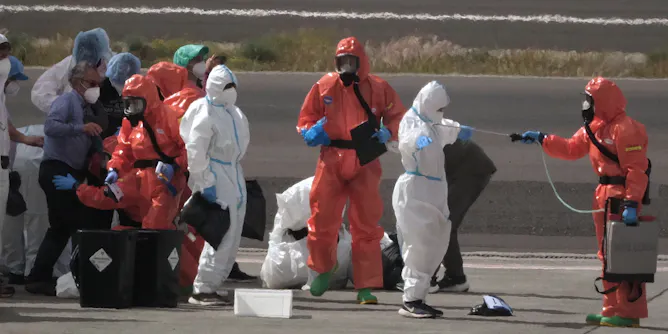
Recent outbreaks of Hantavirus and Ebolavirus raise concerns about risks linked to travel, with responses varying between countries. COVID-19 offers lessons for effective approaches to public health.
Articles on Pandemic response
Displaying 1 - 20 of 35 articles

Should Trump be re-elected, the CDC will likely exist on a smaller budget with a reduced role internationally. Lessons from COVID-19 show this will increase Canadian vulnerabilities.
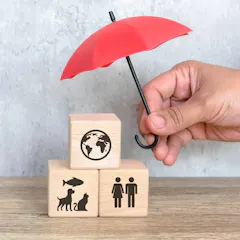
Without a national One Health plan, Canada is vulnerable to threats from worsening climate change, accelerating biodiversity loss, pandemics and superbugs.
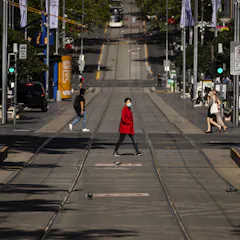
The inquiry also found that, facing unprecedented circumstances, the COVID response in Australia was not as effective as it could have been.

The former prime minister and his allies have dodged questions and passed the buck in an inquiry that is meant to give the public confidence that lessons will be learned for the future.

Giving evidence to the COVID inquiry, Boris Johnson’s former adviser exposed the dysfunction of an administration lacking in the expertise needed to manage a crisis.

Now is the time to learn from the COVID-19 response through an action-oriented independent inquiry focused on accountability. Reforms to data generation, access and use are essential.
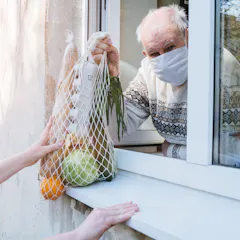
Both New Zealand and Iceland kept death rates from COVID low, but used different strategies. While New Zealand relied on lockdowns and border closures, Iceland ramped up its testing capacity.

A side-effect of pandemic response measures has been the impact on our mental health. But memory problems are a natural response to the environments created by the lockdowns.
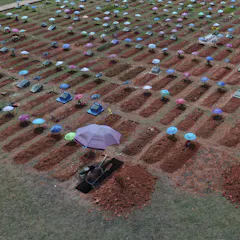
We found most governments were ill-prepared, too slow to act, paid too little attention to the most vulnerable, and were hampered by low public trust and an epidemic of misinformation.
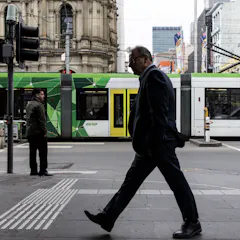
In the first two years of the pandemic, Australia’s COVID elimination strategy was among the most effective in the world. Now we rank second in the world for the most cases per capita.
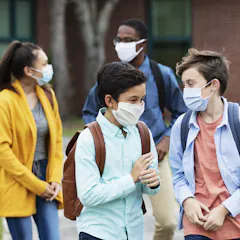
Making room for the input of children and adolescents in responses to the next pandemic would help maintain their health, education, well-being and more.
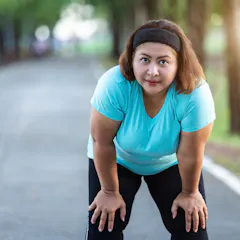
During spring and summer, as more people consider exercising outdoors, a trauma- and violence-informed approach to physical activity can help ensure equity, inclusion, safety and access.
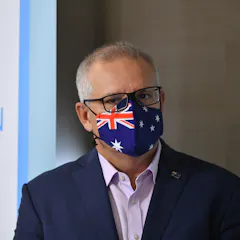
We interviewed 80 Australians from a wide range of ages and backgrounds about how the government handled the pandemic. Their responses were mixed.
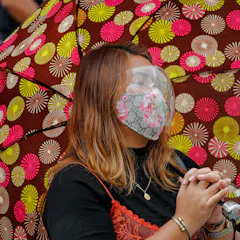
The Philippines has reported 34,000 deaths in the pandemic. It’s now in its fourth wave and with vaccination levels at just 14%, case numbers continue to soar.
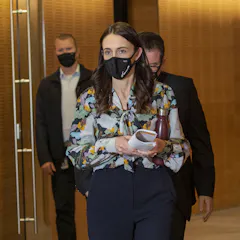
New Zealand continues to pursue an elimination strategy to stamp out community infections with the Delta variant. But it will need incentives and some degree of compulsion to raise vaccination rates.

The nice way to describe a new study suggesting lockdowns haven’t saved lives is that it’s ‘brave’.

The WHO is creating a Global Pandemic Radar – an example of collective intelligence that must learn lessons from this pandemic.

States led by Republican governors generally had higher COVID-19 case and death rates in 2020.

Shoring up surveillance and response systems and learning lessons from how the COVID-19 pandemic unfolded will help the world be ready the next time around.
Top contributors
-

125th Anniversary Chair and Professor of Politics and Public Policy at the University of Birmingham, University of Sheffield
-
Associate Principal Research Fellow, Burnet Institute
-
Professor of Law, University of Waikato
-
PhD Candidate, Department of Sociology, University of Guelph
-
PhD student, Psychology, Memorial University of Newfoundland
-
Senior Advisor to the Dean of the Faculty of Arts + Labour Management Relations, Toronto Metropolitan University
-
Associate Professor, Paediatrics, Griffith University
-
Associate Professor, School of Animal and Veterinary Science, Adelaide University
-
Professor of Public Health, University of Otago
-
Associate Dean for Research and Professor of Health Policy and Management, Texas A&M University
-
Professor and Dean of the Faculty of Health Sciences, Simon Fraser University
-
Scientia Professor of Economics, UNSW
-
Professor, Political Science, University of British Columbia
-
Adjunct Associate Professor, Menzies Centre for Health Policy and Economics, University of Sydney
-
Associate Professor, Faculty of Law & Justice; Lead, UNSW Public Interest Law & Tech Initiative, UNSW