

The World Cup brought many visitors to Canada, which put public health authorities on alert for contagious illnesses. It’s crucial that Canada remain committed to infectious disease preparedness.
Articles on Pandemic preparedness
Displaying 1 - 20 of 34 articles
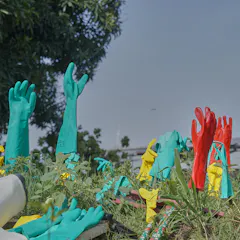
Distrust in health care during infectious disease outbreaks can have devastating consequences. Here’s what we can do about it.
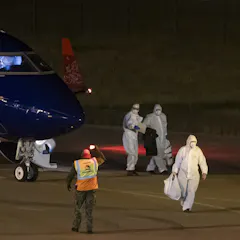
While the hantavirus outbreak will likely be eliminated, it highlights persistent gaps in global pandemic prevention, preparedness and response measures.

In two online surveys, researchers found that Americans’ concern for future generations is often underestimated.

World Health Organization regulations are not a threat to national sovereignty, and they apply lessons learned from COVID. So why did NZ opt out?
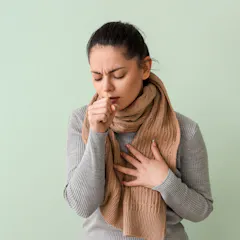
A nasal spray vaccine that puts your immune system on permanent high alert – and could one day protect against flu, COVID and future pandemics.
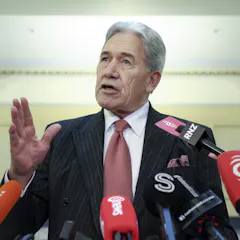
The World Health Organization is a global body, but decisions affecting New Zealand are made in Wellington, not in Geneva.

Manufacturers often make bold claims about how well these technologies work. Better testing would allow consumers and institutions to pick the most effective ones.
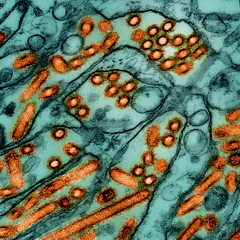
COVID-19 exposed the many ways in which we were ill-prepared to prevent and respond to pandemics. Are we applying those lessons to prevent a bird flu pandemic?

The next big thing will probably be a virus we haven’t come across before.

The major logistical barrier to implementing the recommendations of the COVID inquiry is the downsizing of key government agencies needed to do this work.

New Zealand can learn from the issues raised in Australia’s recently released COVID inquiry report. It would benefit from closer collaboration to build capacity in disease surveillance and testing.
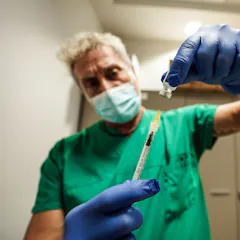
One of the cornerstones of being prepared for the next pandemic is being in the best position possible to design and deploy a suitable vaccine.

The COVID-19 pandemic showed that a one-size-fits-all approach is inadequate for addressing health inequities. A targeted, community-informed strategy is essential to improve public health responses.

Giving evidence to the COVID inquiry, Boris Johnson’s former adviser exposed the dysfunction of an administration lacking in the expertise needed to manage a crisis.
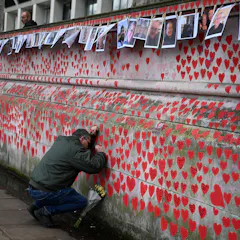
Hundreds of thousands of red hearts adorn a wall directly opposite parliament, yet successive prime ministers have nothing to say about officially marking the lives lost in the pandemic.
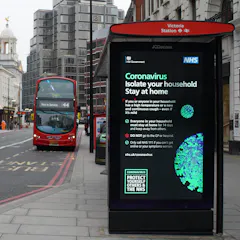
Former health secretary Matt Hancock told the COVID inquiry that the UK’s pandemic planning was ‘completely wrong’. An expert looks back to early 2020 to assess this statement.
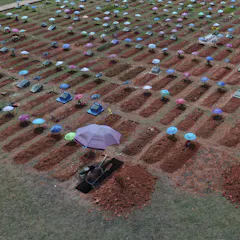
We found most governments were ill-prepared, too slow to act, paid too little attention to the most vulnerable, and were hampered by low public trust and an epidemic of misinformation.

The way societies are governed seems to have influenced how they’ve fared in terms of excess deaths during the pandemic.

African countries must take bold actions to repair their health systems and make them more resilient.
Top contributors
-

Professor of Public Health, University of Otago
-
Associate Professor, School of Animal and Veterinary Science, Adelaide University
-
Assistant Professor, Pace University & Associate Research Fellow, Institute on Comparative Regional Integration Studies (UNU-CRIS), United Nations University
-
Professor of Population Health, Te Herenga Waka — Victoria University of Wellington
-
Honorary Adjunct Associate Professor, Health Sciences and Medicine, Bond University
-
Honorary Professor Faculty of Health and Medical Science, Univeristy of Sydney; Senior Researcher Sydney Institue for Infectious Disease, University of Sydney., University of Sydney
-
Deputy Director, Burnet Institute, Adjunct Professor, Monash University, Burnet Institute
-
Director, BehaviourWorks, Monash Sustainable Development Institute, Monash University
-
Professor of Global Politics and Director of UCL Global Governance Institute, UCL
-
Postdoctoral Fellow, Citizenship Education and History Teaching Research Lab, Université de Montréal
-
Associate Principal Research Fellow, Burnet Institute
-
One Health Lecturer, School of Animal and Veterinary Science, Adelaide University
-
Director of William & Mary's Global Research Institute and George and Mary Hylton Professor of Government and International Relations, William & Mary
-
Senior Research Associate, Johns Hopkins University
-
Professor of Sociology, USC Dornsife College of Letters, Arts and Sciences