

An inhaler that costs nearly $300 in the US goes for just $9 in Germany. What gives?
Articles on Ozone depleting chemicals
Displaying all articles
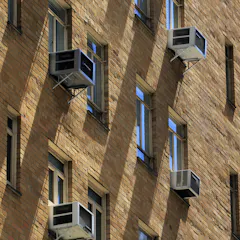
The US Senate voted to ratify the Kigali Amendment, agreeing on a bipartisan vote to phase down climate-warming HFCs. Now what?
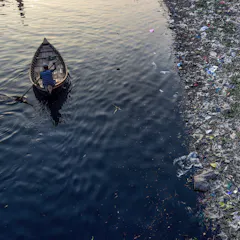
Representatives of 175 countries voted to start developing a global treaty to reduce plastic waste. Treaties addressing mercury, long-range air pollution and ozone depletion offer some lessons.

HFCs keep refrigerators cool, but when these short-lived climate pollutants leak, they warm the planet.

When the current crisis passes, we must seize the opportunity to re-imagine, and to create, a different kind of future.
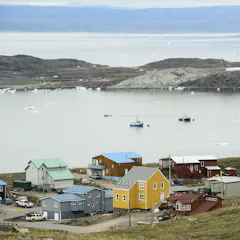
New research finds that chlorofluorocarbons (CFCs) and other ozone-depleting substances have boosted the effects of climate change in the Arctic.
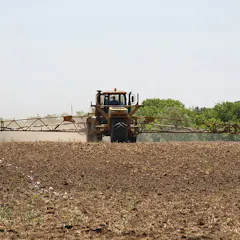
Measurements and modelling have found nitrous oxide emissions, a greenhouse gas 265 times more potent than carbon dioxide, are significantly higher than previously reported.

For several years, emissions of CFCs have been rising, in apparent defiance of a global ban in place since 2010. A new global detective effort has traced the source to two eastern Chinese provinces.
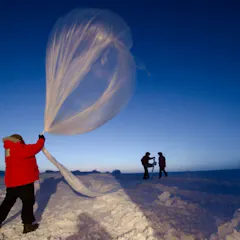
Almost 30 years ago the world responded to the realisation that our ozone layer was in trouble. The resulting Montreal Protocol was a rare example of global cooperation, but there’s no room for complacency.
Top contributors
-

Professor of Atmospheric Science, Colorado State University
-
Professor, Earth and Planetary Sciences, Johns Hopkins University
-
Senior Scientist, Norwegian Institute for Air Research
-
Research Projects Officer, Oceans and Atmosphere, Climate Science Centre, CSIRO
-
Professor of Law and Associate Dean for International Affairs, Wake Forest University
-
Honorary Fellow, CSIRO
-
Assistant professor, teaching stream, University of Toronto
-
Honorary Fellow, CSIRO
-
Research Group Leader, CSIRO
-
Professor of Law, Villanova University
-
Professor and Head, Dept. of Earth, Ocean & Atmospheric Sciences, University of British Columbia
-
Chief Research Scientist, CSIRO Environment; Executive Director, Global Carbon Project, CSIRO
-
Director and Institute Professor, Center for Earth System Science and Global Sustainability, Boston College
-
Climate Science Centre, CSIRO Oceans and Atmosphere, CSIRO
-
Associate Professor, UNSW