

This spring’s ozone hole is likely to be among the top ten most severe of all time, bringing weather changes to New Zealand and Australia.
Articles on Ozone hole
Displaying all articles
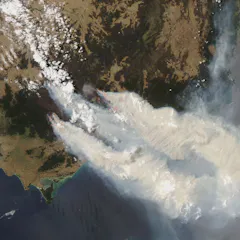
More frequent wildfires, emissions from rocket launches and more satellite debris burning up in the atmosphere all contribute to ozone depletion and could slow the recovery of the ozone layer.
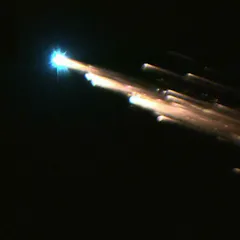
Burnt-up satellites could dump hundreds of tonnes of aluminium in the stratosphere every year. An atmospheric chemist explains what that might mean
HCFCs were a temporary replacement for CFCs, the initial subject of the 1987 Montreal protocol.
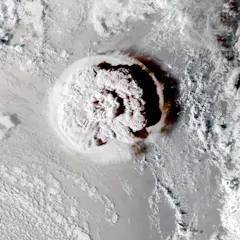
Our new research predicts how Hunga Tonga’s vast underwater eruption in 2022 will change winters worldwide for years to come – as far away as Australia, North America and even Scandinavia.
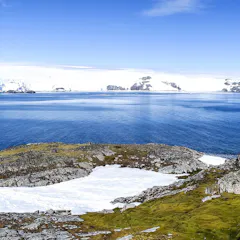
Four years of persistent ozone holes have sparked concern about what more UV is doing to Antarctic ecosystems.
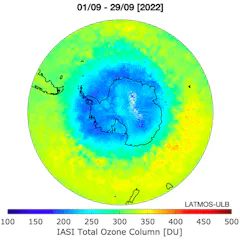
In 1987, the Montreal Protocol established a ban on substances responsible for destroying the ozone layer, which is essential for protection against the sun’s rays.
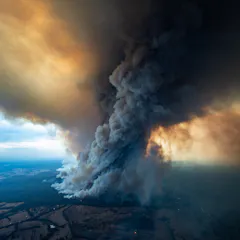
Over 30 years ago, the world banned CFC chemicals to save the ozone layer. But now, climate-fuelled bushfire smoke is putting it at renewed risk
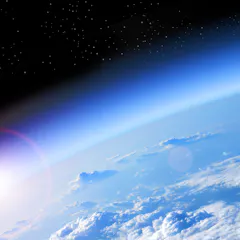
New research shows how the Montreal Protocol protected vegetation, helping keep carbon out of the atmosphere.
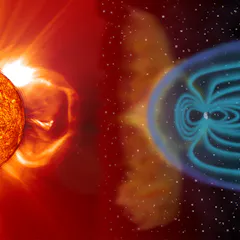
When solar particles reach the Earth, they not only produce spectacular auroras but also contribute to the chemical reactions leading to ozone depletion, which in turn influences climate patterns.
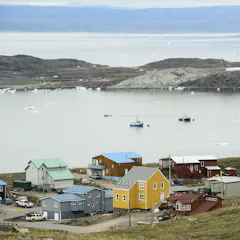
New research finds that chlorofluorocarbons (CFCs) and other ozone-depleting substances have boosted the effects of climate change in the Arctic.

Measurements and modelling have found nitrous oxide emissions, a greenhouse gas 265 times more potent than carbon dioxide, are significantly higher than previously reported.

For several years, emissions of CFCs have been rising, in apparent defiance of a global ban in place since 2010. A new global detective effort has traced the source to two eastern Chinese provinces.
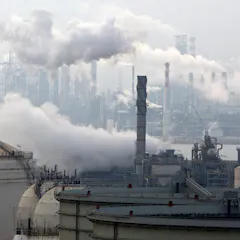
Global CFC-11 levels were rising and no one knew why. Scientists turned detective to pinpoint the source.
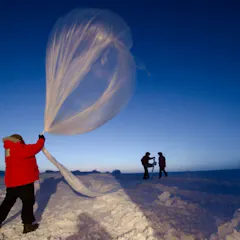
Almost 30 years ago the world responded to the realisation that our ozone layer was in trouble. The resulting Montreal Protocol was a rare example of global cooperation, but there’s no room for complacency.
Top contributors
-

Professor of Atmospheric Chemistry, University of Canterbury
-
Principal Technician Atmosphere, Earth Sciences New Zealand
-
Research Associate in Atmospheric Science, University of Bristol
-
Associate Professor in Atmospheric Physics, University of Otago
-
Senior Scientist, Dy. Group Leader, Japan Agency for Marine-Earth Science and Technology (JAMSTEC)
-
Honorary Fellow, CSIRO
-
Climate Science Centre, CSIRO Oceans and Atmosphere, CSIRO
-
Research Chemist, NOAA Global Monitoring Laboratory, University of Colorado Boulder
-
Research Projects Officer, Oceans and Atmosphere, Climate Science Centre, CSIRO
-
Chief Research Scientist, CSIRO Environment; Executive Director, Global Carbon Project, CSIRO
-
Honorary Professorial Fellow, School of Chemistry, The University of Melbourne
-
Senior Scientist, Norwegian Institute for Air Research
-
Professor, Earth and Planetary Sciences, Johns Hopkins University
-
Senior Lecturer in Atmospheric and Climate Science, Lancaster University
-
Reader in Atmospheric Chemistry, University of Bristol