
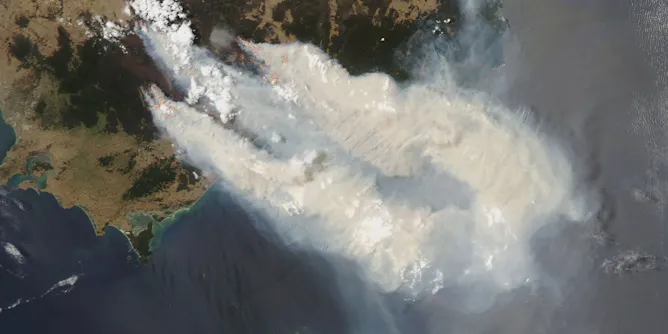
More frequent wildfires, emissions from rocket launches and more satellite debris burning up in the atmosphere all contribute to ozone depletion and could slow the recovery of the ozone layer.
Articles on Montreal protocol
Displaying 1 - 20 of 35 articles

Factories producing non-stick coatings for cookware aren’t properly limiting emissions of one of the most potent greenhouse gases, our research suggests.
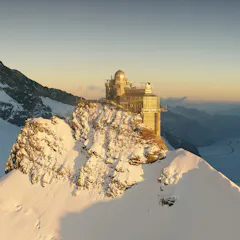
HCFCs were a temporary replacement for CFCs, the initial subject of the 1987 Montreal protocol.
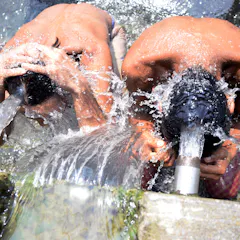
In the first commitment of its kind, 63 countries promised to slash emissions from cooling and refrigeration.
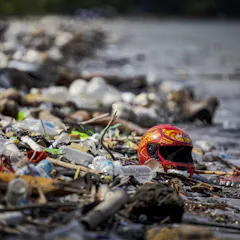
A central question remains unresolved in the draft treaty: Is plastic pollution basically a waste management problem, or can it be solved only with a cap on production?
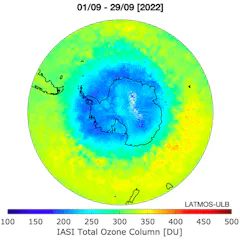
In 1987, the Montreal Protocol established a ban on substances responsible for destroying the ozone layer, which is essential for protection against the sun’s rays.
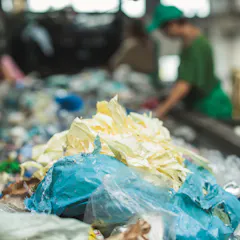
United Nations efforts to advance a global treaty on plastic pollution echo past multilateral agreements that tackled ozone layer depletion and acid rain.
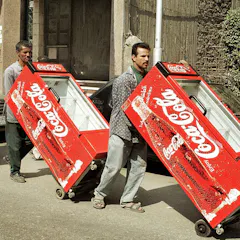
Coca-Cola has made ambitions climate and sustainability pledges, but marketing its products worldwide will always be a top priority.

Chlorofluorocarbons (CFCs) are also potent greenhouse gases which contribute to climate change.
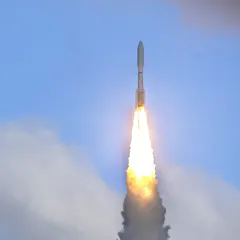
Rocket emissions in the upper atmosphere can damage the ozone layer but are neither measured nor regulated. It’s a policy gap we have to close if the space industry is to grow sustainably.
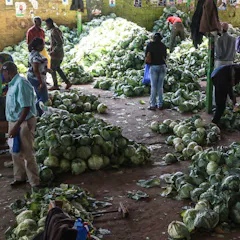
Many developing nations have little cold storage and lose much of their perishable food before it gets to markets. Climate-friendly refrigeration can provide huge environmental and social benefits.
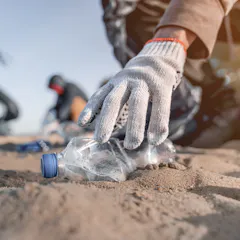
Over 170 countries have endorsed a resolution to negotiate a plastics treaty that’s much more precise than the Paris climate change agreement.
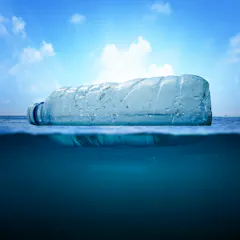
Without action in the next five years, an extra 80 million tonnes of plastic may end up in the ocean by 2040.
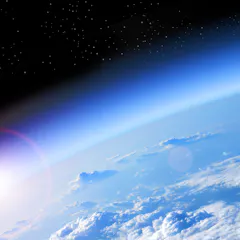
New research shows how the Montreal Protocol protected vegetation, helping keep carbon out of the atmosphere.
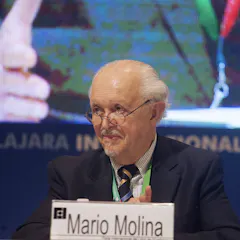
Molina, who died on Oct. 8, ‘thought climate change was the biggest problem in the world long before most people did.’ His research on man-made depletion of the ozone layer won the 1995 Nobel Prize.
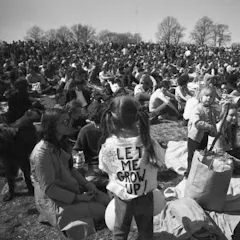
When the current crisis passes, we must seize the opportunity to re-imagine, and to create, a different kind of future.
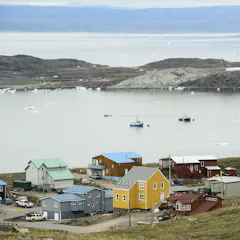
New research finds that chlorofluorocarbons (CFCs) and other ozone-depleting substances have boosted the effects of climate change in the Arctic.

For several years, emissions of CFCs have been rising, in apparent defiance of a global ban in place since 2010. A new global detective effort has traced the source to two eastern Chinese provinces.
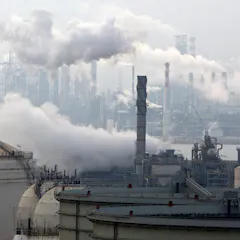
Global CFC-11 levels were rising and no one knew why. Scientists turned detective to pinpoint the source.
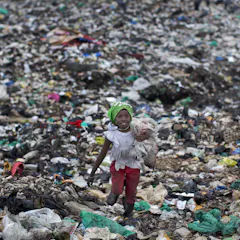
Dozens of cities, states and nations are enacting bans and restrictions on single-use plastic bags and other items. A legal expert explains how a global treaty could build on these efforts.
Top contributors
-

Research Associate in Atmospheric Science, University of Bristol
-
Research Group Leader, CSIRO
-
Honorary Fellow, CSIRO
-
Professor of Atmospheric Chemistry, University of Canterbury
-
Honorary Fellow, CSIRO
-
Associate Professor in Atmospheric Chemistry, University of Wollongong
-
Principal Research Scientist, Australian Antarctic Division and Adjunct Senior Lecturer, University of Tasmania
-
Research Projects Officer, Oceans and Atmosphere, Climate Science Centre, CSIRO
-
Honorary Professorial Fellow, School of Chemistry, The University of Melbourne
-
Professor of Atmospheric Chemistry, University of Leeds
-
Professor of Social Sciences, University of California, Santa Cruz
-
Australian Laureate Fellow, Distinguished Professor, Deputy Director of ARC Securing Antarctica's Environmental Future (SAEF), University of Wollongong
-
Associate Professor, University of Wollongong
-
Professor of International Environmental Law , University of Idaho
-
Professor, Earth and Planetary Sciences, Johns Hopkins University