

HCFCs were a temporary replacement for CFCs, the initial subject of the 1987 Montreal protocol.
Articles on HFCs
Displaying all articles
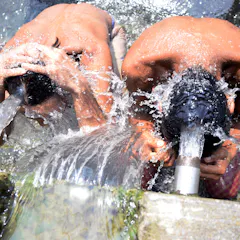
In the first commitment of its kind, 63 countries promised to slash emissions from cooling and refrigeration.

So much pollution goes into the air today that even without wildfire smoke, 99% of the global population breathes unhealthy air.
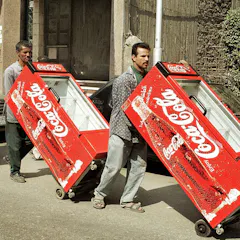
Coca-Cola has made ambitions climate and sustainability pledges, but marketing its products worldwide will always be a top priority.

Chlorofluorocarbons (CFCs) are also potent greenhouse gases which contribute to climate change.

Many developing nations have little cold storage and lose much of their perishable food before it gets to markets. Climate-friendly refrigeration can provide huge environmental and social benefits.
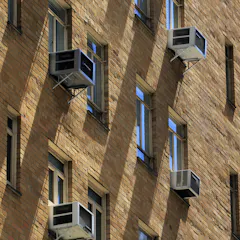
The US Senate voted to ratify the Kigali Amendment, agreeing on a bipartisan vote to phase down climate-warming HFCs. Now what?

HFCs keep refrigerators cool, but when these short-lived climate pollutants leak, they warm the planet.
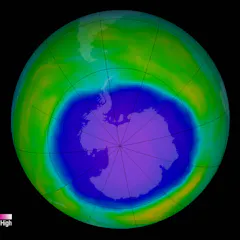
Earth’s ozone layer shields us from harmful ultraviolet radiation. Nations have been working to reduce ozone-depleting chemicals since the 1980s, but recent studies show that there is still work to do.

As if having asthma wasn’t bad enough news, your health condition is probably contributing to climate change.
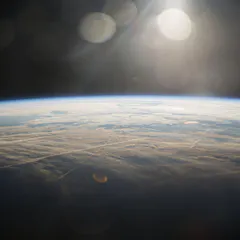
Australia has ratified an agreement to phase out hydrofluorocarbons, a manmade compound once hailed as the saviour of the ozone layer. What went wrong?
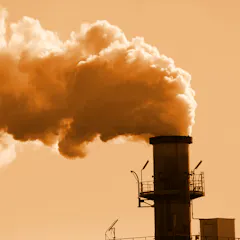
While the gases most responsible for global warming - carbon dioxide, methane and nitrous oxide - continue to climb, other industrial greenhouse gases are being brought gradually under control.
Top contributors
-

Research Associate in Atmospheric Science, University of Bristol
-
Professor of Atmospheric Science, Colorado State University
-
Honorary Fellow, CSIRO
-
Associate Professor, University of Wollongong
-
Senior Research Scientist, CSIRO
-
Associate Professor in Atmospheric Chemistry, University of Wollongong
-
A/Prof., School of Earth Sciences, The University of Melbourne
-
Research Group Leader, CSIRO
-
Brett Montgomery is a Friend of The Conversation.
Senior Lecturer in General Practice, The University of Western Australia
-
Honorary Lecturer, Centre for Ocean and Atmospheric Sciences, University of East Anglia
-
Associate Professor, Smith School of Enterprise and Environment, University of Oxford
-
Professor of Chemistry and Atmospheric Science, Colorado State University
-
Professor of Climate Sciences, Duke University
-
Postdoctoral Scholar in International Environment and Resource Policy, The Fletcher School, Tufts University
-
Principal Research Scientist, CSIRO