
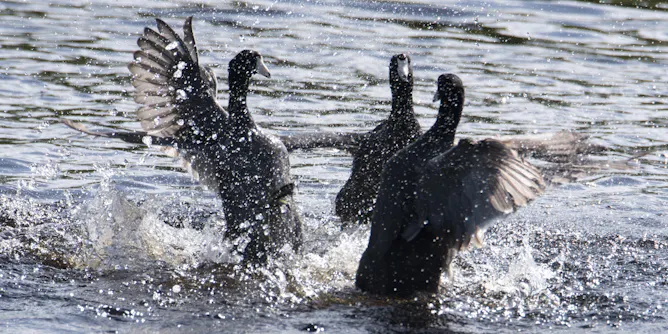
Birds will shriek and dive at each other over food, territory or mates, but only a small number of species sport actual weapons. The reason: Flying matters more for their survival than fighting.
Articles on Ornithology
Displaying 21 - 40 of 57 articles
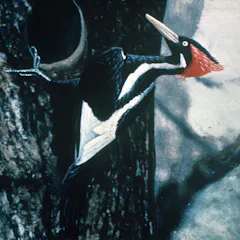
There are no more ivory-billed woodpeckers or Bachman’s Warblers on Earth, but they’ve left an echo behind.
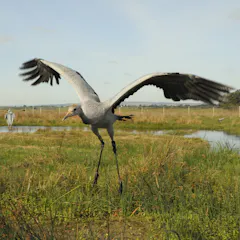
These wetland birds were eradicated in the 17th century, but breeding pairs returned in 1979.
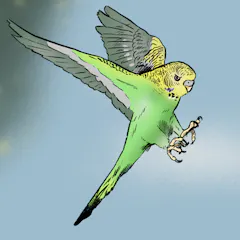
After 150 years of selective breeding in captivity, the domestic budgie would now be almost unrecognisable to its wild cousin. So who would win in the unlikely event of a fight?
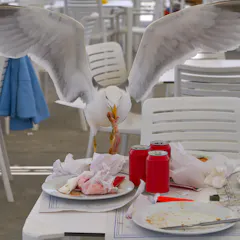
Corvids and parrots might be the superstars of the bird world - but other species like gulls, geese and even chicken have shown some impressive skills too.
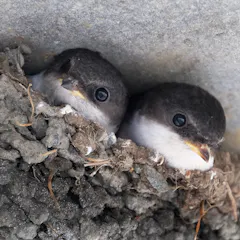
Swifts, house martins and greenfinches are the newest arrivals to the UK red list.
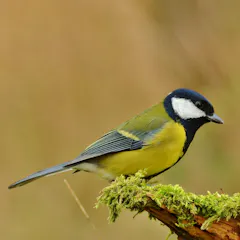
We discovered that the ability to be flexible and change behaviour in certain circumstances is just as important for birds as people.
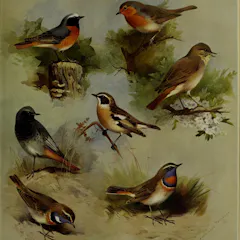
Research suggests our names for birds reflect our changing relationship with the natural world: here’s why that matters

In northwest Mexico, biologists are building a network of radio towers to track how individual migratory birds move among important wetland areas.
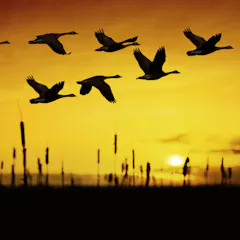
Geese honk loudly and point their bills toward the sky when they’re ready to start the migration. Here’s how they know it’s time, how they navigate and how they conserve energy on the grueling trip.
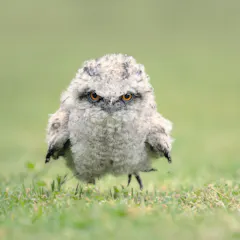
Breeding pairs spend a great deal of time roosting together and the male often gently strokes the female with his beak.
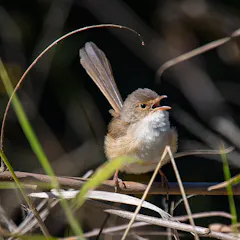
For decades, scientists believed that only male birds sang. Then women entered the field and showed what their predecessors had missed.
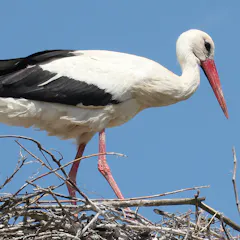
Storks – those harbingers of new life – are breeding in Britain again.
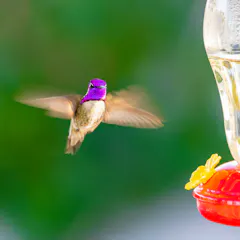
Millions of Americans feed wild birds, especially in winter and spring. Studies show that this can influence birds’ health and behavior in surprising ways.
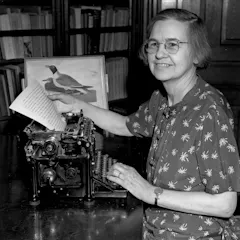
This 20th century ornithologist earned the respect of her contemporaries for her animal behavior research that went against the grain of traditional science.
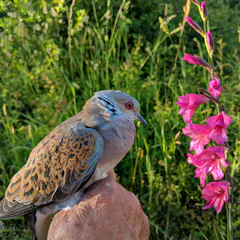
Farming and habitat destruction have caused the species to disappear from large areas of Europe.
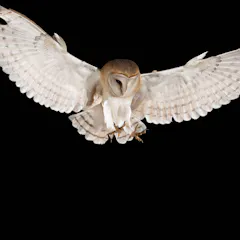
Scientists have discovered how the wise old barn owl is so good at catching rodents.
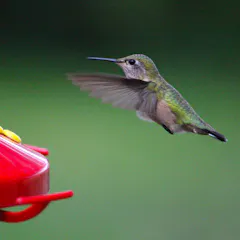
How do hummingbirds drink sugary nectar and not get sick? Don’t they need a balanced diet to stay healthy? Do they eat anything else?
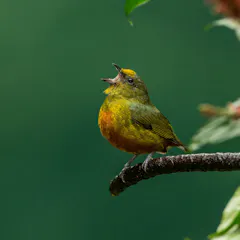
Birds spend a lot of time and energy singing, but they don’t do it the same way in every season of the year. And some can’t sing at all. What’s the purpose of birdsong?
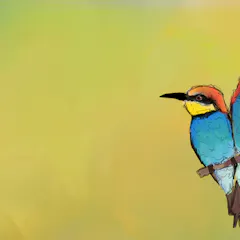
Even in the breeding grounds, we found that European bee-eaters preferred the company of some birds over others. These tended to be the individuals they migrated with.
Top contributors
-

Professor of Ethno-ornithology, University of Oxford
-
Professor of Biology, Clarkson University
-
Lecturer in Ornithology, Ecology, Conservation and Parasitology, Charles Sturt University
-
Reader in Animal Biology and Physiology, Royal Holloway, University of London
-
Professor, Biodiversity Informatics, University of Cape Town
-
Adjunct Lecturer/ Ecologist, University of New England
-
Professor of Zoology, Universidade Federal de Pernambuco, Brazil and Visiting Scholar, Harvard University
-
Postdoc, University of Konstanz
-
PhD researcher, Royal Holloway, University of London
-
Professor of Avian Behavioural Ecology, Macquarie University
-
Postdoctoral Fellow in Ecology and Evolutionary Biology, University of Connecticut
-
Professor of Applied Ecology, University of East Anglia
-
Researcher, Flinders University
-
Professor of Biological Sciences, University of Maryland, Baltimore County
-
Senior Researcher in Biological Sciences, University of East Anglia