
Australian Council of Social Service chief Cassandra Goldie told Q&A that Australia is among the lowest-taxing countries in the OECD. Is that accurate?
Articles on Organisation for Economic Co-operation and Development (OECD)
Displaying 121 - 140 of 190 articles
Research shows that South African companies are neglecting the more challenging aspects of sustainability reporting.
Between 1995 and 2013 the US provided about US$98 billion in aid to sub-Saharan Africa. But the country’s economic and political reach is slowly declining.
The increasing importance of non-traditional donors such as China has meant that the economic and political stronghold of Western countries in sub-Sahara Africa has gradually ebbed.

Writer and social commentator Jane Caro told Q&A that Australia has one of the most unequal education systems in the OECD. Is that right?

International education tests reveal Australia has either stagnated or declined in many subject areas, including maths and science, while other countries have made big improvements. Why is this?
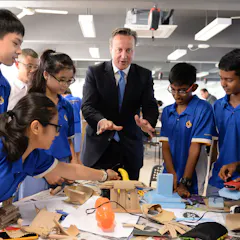
Teenagers in Shanghai, Singapore and Hong Kong outperformed those in London, Madrid and Dubai.

Some countries experienced big changes when the global test of 15-year-olds moved from paper to online.
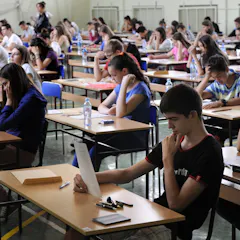
A new OECD report has put the spotlight on countries where teenagers struggle in maths, reading and science.
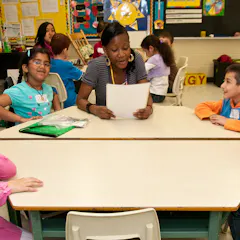
School and teacher attitudes have a lot to answer for when it comes to the achievement gap between immigrant and non-immigrant children.
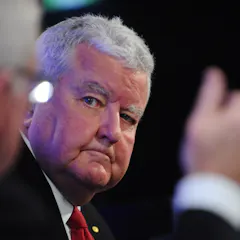
After almost five years, Ian Chubb today ends his role Australia’s Chief Scientist. He’s seen some challenging times with changing leadership and ministers but he believes Australia is in a better place.
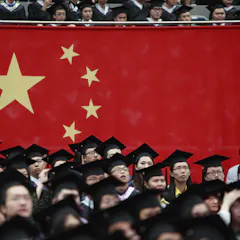
In China, education is more than a means to deliver high skilled labour. The country has constructed its education policy to demonstrate its ambition to become a global power.
A third of adults in the OECD now have a university degree.

We should be cautious of implementing policies off the back of the OECD’s annual education report, which makes vast comparisons between countries and leaves out crucial data.
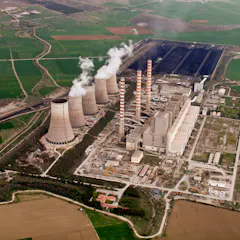
What does the OECD’s decision to limit finance for coal power stations mean for coal producers such as Australia?
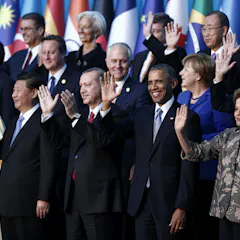
It brings together 20 of the world’s most powerful leaders – but they achieve precious little.
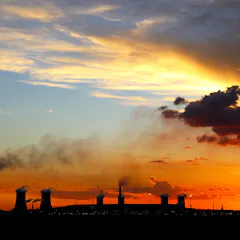
Australia is reportedly blocking a deal to limit coal power finance in developing countries.
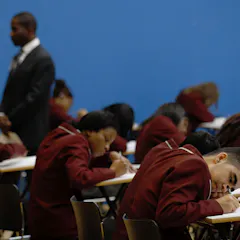
To prepare teachers for the 21st century, we need to reform the way we assess children.
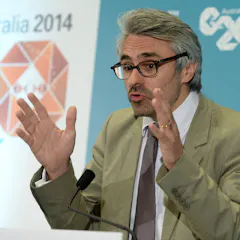
Country-by-country reporting is the big achievement of the OECD’s plan to help stop multinational tax avoidance.
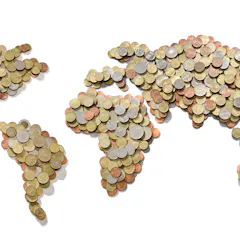
The two-year BEPS project is just a band-aid for a deeply flawed system.
Top contributors
-

Distinguished Professor, Faculty of Education, Brock University
-
Professorial Fellow, University of Canberra
-
Lecturer in Economics and Social Statistics, UCL
-
Deputy CEO (Research), Australian Council for Educational Research
-
Adjunct Professor, Curtin Law School and Curtin Business School, Curtin University
-
Associate Professor, University of Sydney
-
Honorary Senior Fellow, Melbourne School of Psychological Sciences, The University of Melbourne
-
Professor, Crawford School of Public Policy, Australian National University
-
Professor of International Economics of Education, Science and Technology, Maastricht University
-
Deputy Vice-Chancellor, Education, Murdoch University; Professor of Measurement, Assessment and Evaluation, Murdoch University
-
School Education Program Director, Grattan Institute
-
Director, Peter Noonan Policy Impact Program, Mitchell Institute, Victoria University
-
Research group leader, principal investigator, and ATTRACT-fellow, University of Luxembourg
-
Adjunct associate professor, Southern Cross University
-
Senior Lecturer, Department of Banking and Finance, Monash University