

COVID-19 is the third-leading cause of death in Canada, but it’s older people who are dying. That we accept this and carry on as if the pandemic is over reveals our ageism: We don’t value older people.
Articles on Older adults
Displaying 41 - 60 of 82 articles

Aging is a major risk factor for many chronic diseases. Figuring out what influences longevity and how to identify rapid agers could lead to healthier and longer lives for more people.
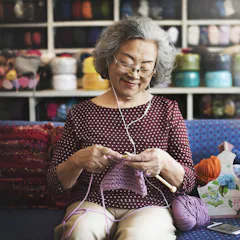
Locking individuals into the narrative of age as a vulnerability means inevitably creating ageist stereotypes.

Technologies are now ubiquitous in everyday modern life, but ageism means that older adults are excluded from the design of the technologies that they use.

Do you know someone who’s had lots of birthdays? That doesn’t always make them old.
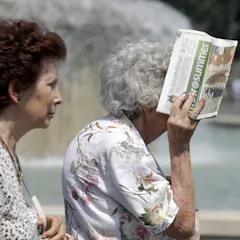
Governments and organizations must listen to older adults’ experiences with extreme heat, flooding and wildfire smoke to create effective policies and programs

World Elder Abuse Awareness Day highlights the increasing population of older adults around the world and the accompanying rise in elder mistreatment.
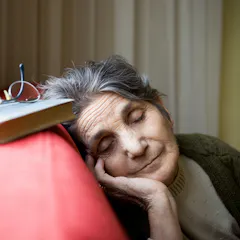
While longer naps are a normal part of aging, excessively long dozes could be a warning signal for cognitive decline.

Older Americans are often taught to be fearful of hackers and scammers in their midst while also being told to investigate potential threats. Better advice is to not engage.
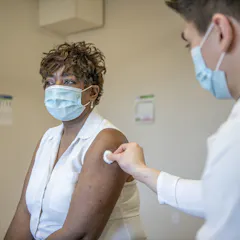
Studies suggest seniors without the booster shot run a higher risk of infection and hospitalization from the omicron variant.

Doctors don’t ‘check you for everything’, but are guided by what you personally would benefit from, based on your age and individual history.

Some older patients forego the food provided at their health care facility because it isn’t aligned with their religious and cultural preferences.

Empowering older adults to become digital citizens will not only help them stay connected, but help them access essential services like housing.

Ageing and other health conditions can both complicate matters when it comes to managing this condition.
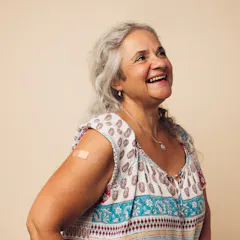
With the reality of the COVID situation in Australia, particularly in New South Wales, some older adults could literally die waiting.
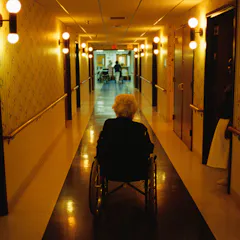
COVID-19 hit long-term care facilities hard. Addressing the trauma that residents and staff endured is key to regaining trust in a space that may no longer feel safe.

If it’s been a while since your last workout, it’s important to take things slowly.
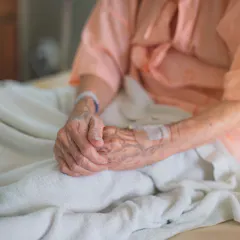
Emergency abdominal surgery is among the most risky procedures for over-65s.
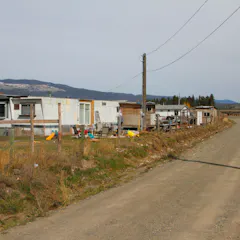
Older adults in rural areas in Canada are more vulnerable to the effects of COVID-19, including related ones like social connections and public health information outreach.
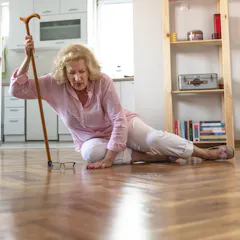
Loss of muscle mass is a growing concern for the tens of millions of older Americans. It leads to falls and increased isolation, already a huge problem during coronavirus.
Top contributors
-

Associate Professor of Medicine and Geriatrics, University of Virginia
-
Senior Research Fellow and Lecturer of Gerontology, UMass Boston
-
Gerontologist, University of Waterloo
-
Associate professor, Gerontology Department, Simon Fraser University
-
Assistant Professor of Health and Kinesiology, University of Illinois Urbana-Champaign
-
Professor of Gerontology, UMass Boston
-
A&S Distinguished Professor of Sociology and Director of the Center for Innovation in Social Science, Boston University
-
Researcher, Aging In the Right Place | M.A. student, Gerontology, Simon Fraser University
-
Scientist in Energy, Climate and the Environment, Ca' Foscari University of Venice
-
Professor of Earth and Environment, Boston University
-
Canada Research Chair in Aging & Immunity, McMaster University
-
Professor of Vascular and Clinical Physiology, Sheffield Hallam University
-
Associate Professor of Sociology, La Trobe University
-
Associate Professor of Athletic Training, University of South Carolina
-
Research fellow, University of Toronto