

The Antarctic ice sheet’s future depends how a chain of events plays out. A new study finds the evidence points in one direction.
Articles on Ocean science
Displaying all articles
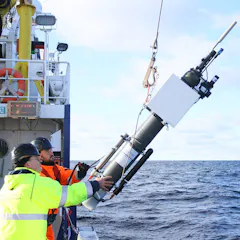
Defunding marine monitoring networks could jeopardise efforts to avoid losing track of the world’s oceans and their precious ecosystems, which drive the blue economy.
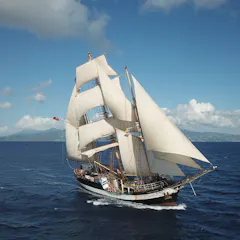
Sailing voyages help young people develop strong connections with the sea that can last a lifetime.
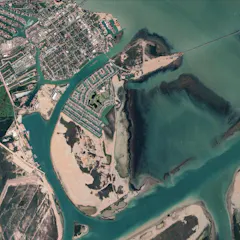
Some cities are building huge gates and barriers to counter the flood risk from estuary urbanization. But putting nature to work in a big way might be more effective.
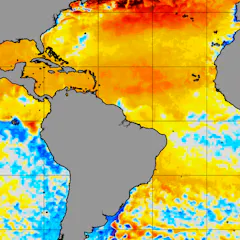
It’s rare to see both Nina’s at the same time, but both appeared to be developing in 2024. That could help soften hurricane season, but don’t bet on it.

Maritime folklore is awash with tall tales of monstrous waves. A new study gets closer to understanding where they come from and how to predict them.
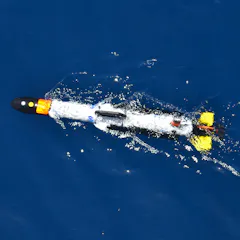
Dramatic improvements in computing, sensors and submersible engineering are making it possible for researchers to ramp up data collection from the oceans while also keeping people out of harm’s way.
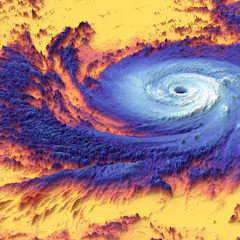
Currents can carry that deep ocean heat hundreds of miles to surface again at distant shores.
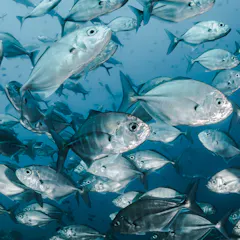
El Niño can trigger intense and widespread periods of extreme ocean warming known as marine heat waves. They can devastate marine life.
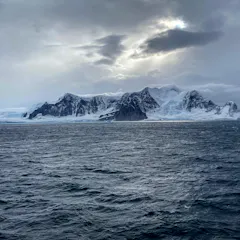
Working with underwater robots, scientists show how deep sea mountains and fast currents between Antarctica and South America play a crucial role in stabilizing the climate.
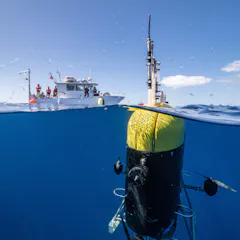
The ocean twilight zone could store vast amounts of carbon captured from the atmosphere, but first we need a 4D monitoring system to ensure ramping up carbon storage does no harm.

Ida exploded from a weak hurricane to a powerful Category 4 storm in less than 24 hours, thanks to heat from an ocean eddy. An oceanographer explains its rapid intensification.
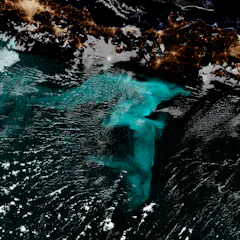
When conditions are just right in some parts of the Indian Ocean, a type of bacteria will multiply and start to glow. Satellites are helping scientists study these milky seas for the first time.
Top contributors
-

Ph.D. Candidate in Physical Oceanography, University of California, San Diego
-
Professor of Atmospheric Science, Colorado State University
-
Professor in Ocean Engineering, The University of Melbourne
-
Assistant Professor of Earth & Atmospheric Sciences, Georgia Institute of Technology
-
Professor of Oceanography, University of Miami
-
Associate Professor of Climate Science, Brandeis University
-
Climate Research Scientist, National Oceanic and Atmospheric Administration
-
Associate Professor of Mechanical Engineering, Purdue University
-
Director, Woods Hole Oceanographic Institution
-
Atmospheric Science Educator, Georgia Institute of Technology
-
Senior Research, Euro-Mediterranean Center on Climate Change; Professor of Ocean and Climate Dynamics, Georgia Institute of Technology
-
Research Associate Professor in Ocean Engineering, Stevens Institute of Technology
-
Professor of Water Resources, California Polytechnic State University
-
Lecturer in Education, School of Law, Humanities and Social Sciences, University of Plymouth
-
Research Fellow, Geography, University of Exeter