
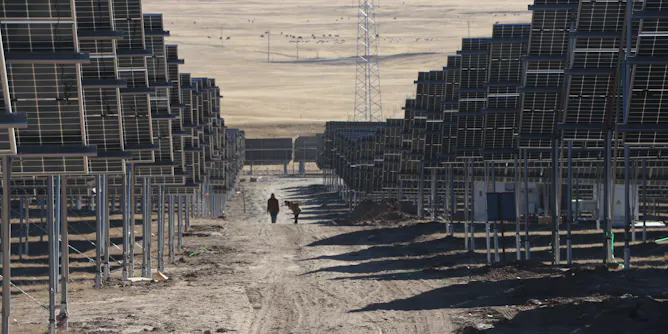
China’s national government policies on energy and economic development are changing pastoral life on the Tibetan Plateau.
Articles on nomadic pastoralists
Displaying 1 - 20 of 21 articles
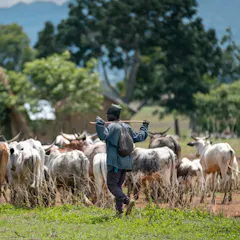
Africa’s drylands need support, but it shouldn’t overlook systems that people rely on.
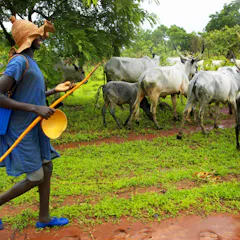
Conflict over land, pastoral mobility and weak governance often overlap with religious fault lines, but can’t be reduced to them.
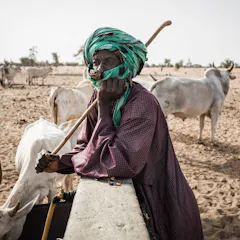
Genetic insights into the Fulani people not only illuminate their biological history but also enrich our understanding of their cultural and historical narratives.

Conflicts between herders and the wild ancestors of their yaks, camels and reindeer are a serious threat to both people and wildlife, writes a scientist who has seen these clashes firsthand.
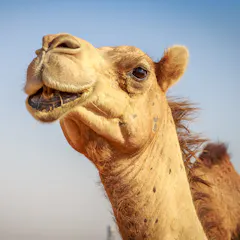
The largest farm, in the UAE, has more than 10,000 camels.
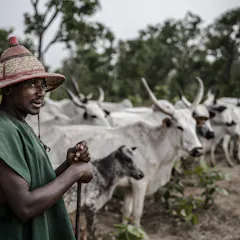
Ecowas regulations on pastoralism discourage big investment in livestock and need to be reformed in line with present day realities.

Researchers looked at the skeletal remains of 40 people, and found evidence of dairy consumption across a wide swathe of early Tibetan society.
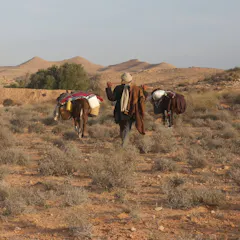
Pastoral communities should be included in conservation initiatives – but the ecology of pastoral lands has long been misunderstood.
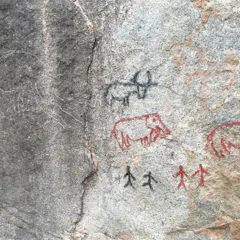
Instead of displaying myths, Samburu rock art reveals real-life stories and is made as a leisure activity.

The caves now serve as important safe spaces in an area designated ‘Firing Zone 918’ by Israel, as residents describe a growing wave of forced evictions and building demolitions.
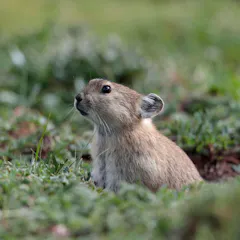
The electric Pokemon’s real-life muse is charged with degrading the vast meadows of the Tibetan Plateau.
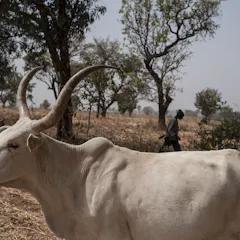
Institutional problems make it difficult to satisfy livestock and crop farmers’ interests, already in contest over agricultural resources.
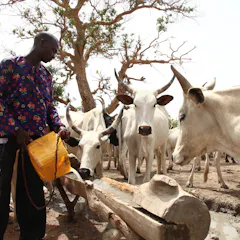
Clashes between farmers and herders in Nigeria have their roots in history and an overriding arc of insecurity, but new challenges are contributing to the problem.
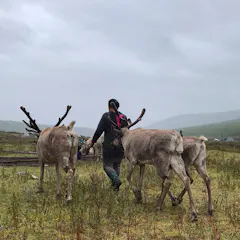
Two scholars report on how conservation policies designed to protect reindeer are harming the nomadic Tsaatan people who rely on them.
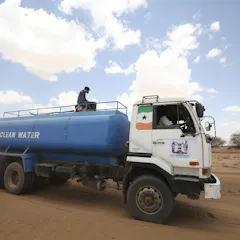
Changes in weather patterns have made life a great deal more precarious for pastoral communities.
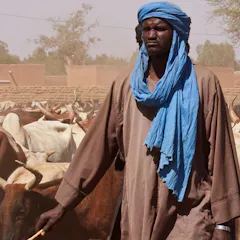
Herders and farmers are unhappy about the way a corrupt state exploits rural peasants.
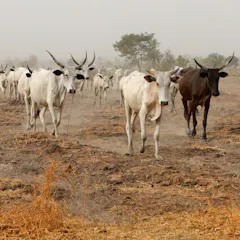
Talk of ethnic and religious conflict between Muslim Fulani herders and local Christian farmers misses the full picture – this is about resources.

Attacks by Fulani herdsmen on communities in West Africa are increasing in number and in sophistication. Regional and national authorities must respond promptly to arrest the threat.

The simplistic assumption that the violence in central Kenya is the result of drought mask the more complex underlying dynamics of politics, access to resources and land.
Top contributors
-

Professor, Department of International Environment and Development Studies (Noragric), Faculty of Landscape and Society, Norwegian University of Life Sciences
-
Lecturer in Human Geography, Charles Sturt University
-
Reader (Associate Professor) Department of Political Science, Federal University of Lafia, Nigeria, Federal University Lafia
-
Associate Professor, International Relations, United States International University
-
Executive Director, SPARC Consortium, ODI Global
-
Senior Researcher, SPARC Consortium, ODI Global
-
Associate Professor in Geography, York St John University
-
Professor of Wildlife Conservation, Colorado State University
-
Assistant Professor of Landscape Ecology, Xi'an Jiaotong-Liverpool University
-
Doctoral researcher, Max Planck Institute of Geoanthropology
-
Senior Manager at Smithsonian Conservation Commons, Smithsonian Institution
-
Director, Australian Research Centre for Human Evolution, Griffith University
-
Research Fellow, International Institute of Social Studies
-
Director of Empower the Northern Frontier, Linnaeus University
-
Senior Lecturer in Early Childhood Education, Mount Kenya University