
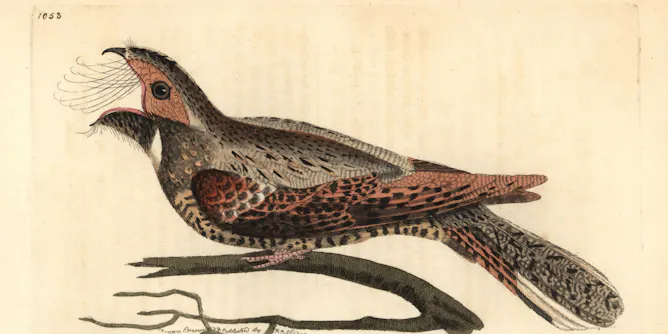
A new film adaptation of Stephen King’s ‘Salem’s Lot’ swaps in an owl for the book’s haunting whip-poor-wills, showing how species loss is also tied into cultural loss.
Articles on Nocturnal animals
Displaying all articles
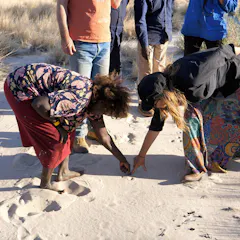
Footprints, droppings, diggings and other signs left behind by animals reveal a lot to a skilled observer. Indigenous knowledge feeds into one of Australia’s largest wildlife monitoring endeavours.

A Harry Potter nightwalk experience at a wildlife sanctuary on the Mornington Peninsula has raised concern for wildlife. Evidence suggests the fears are well-founded.
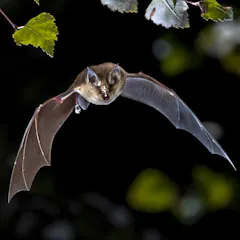
Maths plays a crucial role in new research which finds that bats “leapfrog” their way home at night.
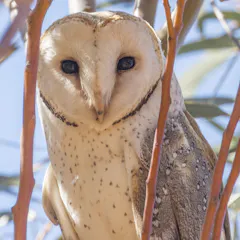
There’s shocking new evidence of rodenticide poisoning in Australia’s nocturnal predatory birds. High concentrations of the active ingredients were found in 92% of the 60 dead birds they tested.
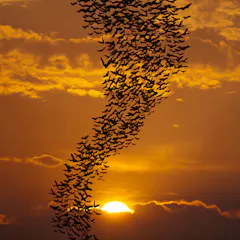
Humans have long struggled to understand the nocturnal world. As environmental change becomes increasingly acute, understanding their lives has never been more critical.
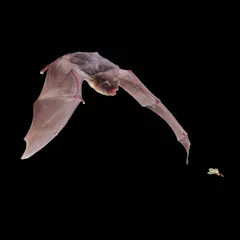
These nocturnal insects have amassed an impressive defensive arsenal against bats’ echolocation.
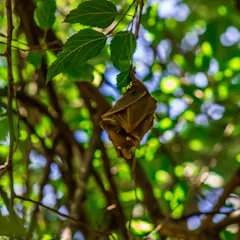
Investigating different factors influencing the behaviour of South African bat species contributes to our understanding of these understudied animals.

Towns and cities create an orange glow on the horizon at night. It’s so widespread that it even disturbs sea creatures.
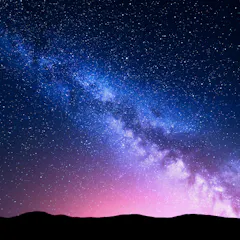
We have transformed the night-time environment in a very short time, relative to evolutionary timescales. Most wildlife hasn’t had time to adjust.
Top contributors
-

University Fellow in Biodiversity, Charles Darwin University
-
Research Fellow, The University of Queensland
-
Postdoctoral Research Associate in Biological Sciences, University of Bristol
-
Senior Lecturer in marine ecology, UNSW
-
Associate Professor in Wildlife and Conservation Biology, Deakin University
-
Associate professor, Macquarie University
-
PhD Candidate in Biology, Aberystwyth University
-
Senior Environmental Scientist, Flinders University
-
Senior Lecturer in Applied Mathematics, Cardiff University
-
Professor of Environmental Biology, University of Sussex
-
Senior Lecturer in Modern and Environmental History, University of Bristol
-
Professor of Marine Ecology, Bangor University
-
Professor in Wildlife Ecology and Conservation, School of Life & Environmental Sciences, Deakin University
-
Professor in Sensory Biology, University of Bristol
-
Biodiversity Coordinator, Wilderness, University of the Witwatersrand