
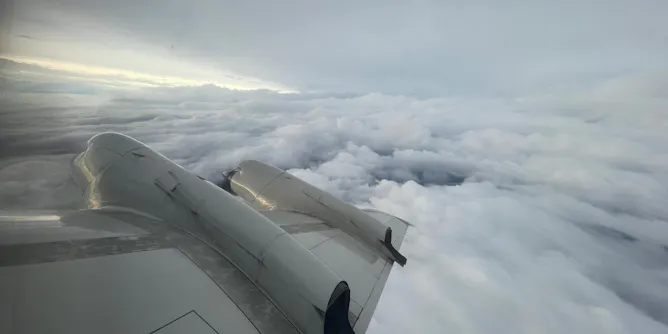
A hurricane scientist explains the technology forecasters rely on to keep people safe and help communities all along the Atlantic coast know when to evacuate.
Articles on NOAA
Displaying 1 - 20 of 28 articles
Here’s what snow forecasters are watching, and why skiers and other snow lovers shouldn’t lose hope.
While a recent executive order directed the Department of Commerce to elevate this office, budgetary actions threaten it.

From the wave-lashed surface to the deep sea, the Southern Ocean Time Series is a crucial tool for scientists to keep the pulse of this important region of Earth.
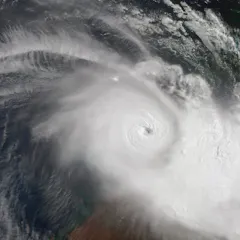
For decades, Australia has relied on data from US satellites, floats and monitoring programs. Planned deep cuts put Australian forecasting at risk

Forecasters already patch together very rough estimates, and ending NOAA’s ‘billion-dollar disasters’ list means less access to insurance data. Texas’ state climatologists explain why that matters.
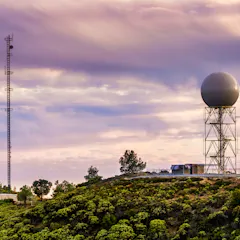
Weather forecasting relies on international collaboration. Cuts at U.S. government agencies will negatively impact attempts to predict and mitigate the effects of extreme weather events.
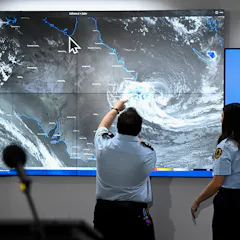
Both geostationary and polar orbiting satellites collect data in the visible and infrared regions. There are polar satellites collecting data in the microwave range.
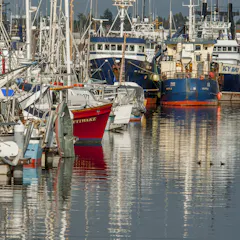
NOAA’s work has kept fisheries from collapsing, helped coastal ecosystems survive extreme heat and battled invasive species, among many other tasks essential to coastal economies.

Several groups are working to preserve webpages, tools and data – some of which have already gone missing from government webpages since the start of the Trump administration.

NOAA operates fleets of satellites, sensors on airplanes and ocean-going buoys, as well as radar, providing the data used by weather forecasters nationwide – and freely available to anyone.
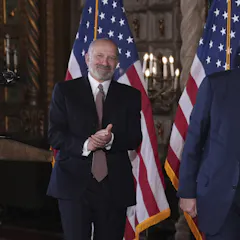
The commerce secretary manages a sprawling organization including trade, fisheries, weather forecasting and cutting-edge AI research.
Years of research about the people who work in the federal government finds that most of them are devoted civil servants who are committed to civic duty without regard to partisan politics.
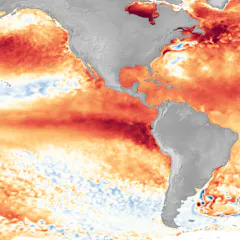
An atmospheric scientist explains how El Niño works, this year’s oddities and why this phenomenon doesn’t last long.
The meteorologist leading NOAA’s 2022 hurricane field program describes flying through eyewalls and the technology in these airborne labs for tracking rapid intensification in real time.
Recent estimates put atmospheric methane at 1,900 parts per billion – close to triple its pre-industrial average.
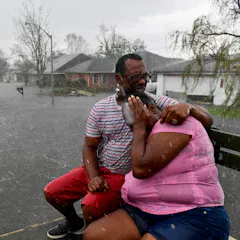
A hurricane that wreaked havoc from Louisiana to New York City, the Texas freeze and devastating western wildfires topped NOAA’s list of billion-dollar disasters in 2021.
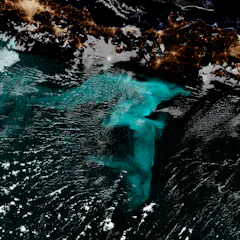
When conditions are just right in some parts of the Indian Ocean, a type of bacteria will multiply and start to glow. Satellites are helping scientists study these milky seas for the first time.
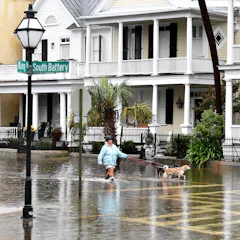
Done right, managed retreat redesigns communities to be better for everyone. Here’s how it’s evolving for the future.
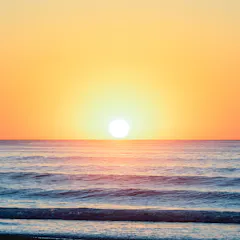
The US is shifting to a new set of climate ‘normals’ – data sets averaged over the past 30 years. But normal is a relative concept in a time of climate change.
Top contributors
-

Honorary Fellow, CSIRO
-
Research Group Leader, CSIRO
-
Professor of Finance, University of British Columbia
-
Assistant Professor of Finance, University of British Columbia
-
Assistant Professor of Finance, University of Chicago
-
Associate Professor of Business, Boston University
-
Assistant Professor of Geology and Geological Engineering, Colorado School of Mines
-
Deputy Director, Engagement and Impact, The ARC Centre of Excellence for the Weather of the 21st Century, Australian National University
-
Professor of Earth Sciences, Royal Holloway, University of London
-
Professor of Public and Environmental Affairs Emeritus, Indiana University
-
Assistant Professor, Disaster Research Center, University of Delaware
-
Associate Professor of Meteorology, Central Michigan University
-
Professor of Atmospheric Science, Colorado State University
-
Research Meteorologist, University of Miami
-
ARC Future Fellow and Associate Professor in Climate Science, ARC Centre of Excellence for 21st Century Weather, The University of Melbourne