
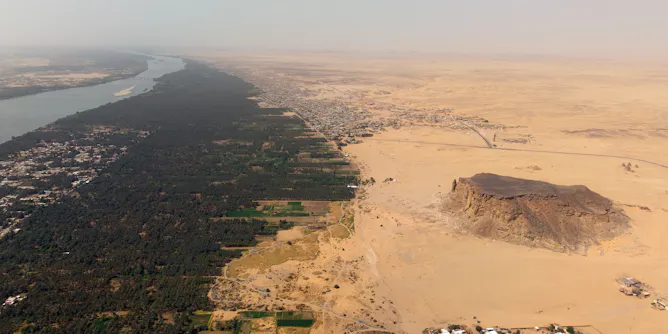
The ancient Kush city of Jebel Barkal rose up in the Nile River Valley starting around 2000 BCE. New research dug deep to learn more about what this landscape was like over the past 4,000 years.
Articles on Nile River
Displaying all articles
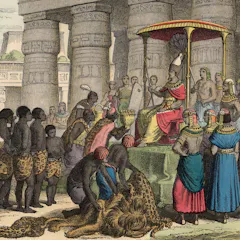
There was a reason Southern businessmen and thinkers were inspired by ancient Egypt: To them, it served as proof that all great civilizations were hierarchal societies sustained by enslaved labor.
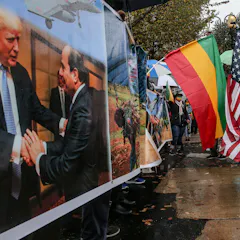
US attempts to intervene in long-running spat between Ethiopia and Egypt has yielded little progress – and may have put US credibility on the line.

Egypt and Sudan’s insistence on keeping their historical water shares cannot be considered equitable and reasonable.
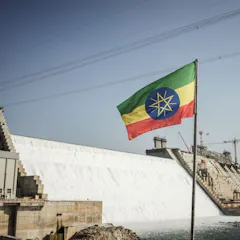
The controversy over the Grand Ethiopian Renaissance Dam reflects historical conflicts rather than a careful analysis of modern challenges.
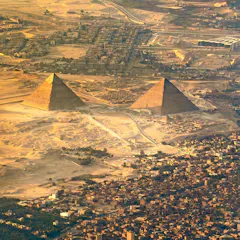
Why build pyramids in the desert? A centuries-old puzzle may be answered by the slow wandering of the Nile.
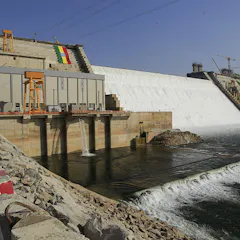
The Nile Basin states are keen to see what kind of deal Ethiopia reaches with Egypt and Sudan.
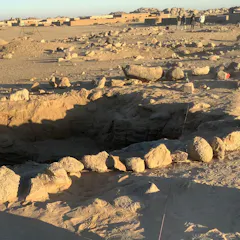
Promoting and practicing ethical research that includes the people who live in the area today is as important to the archaeological team as learning more about the lives of the ancient inhabitants.
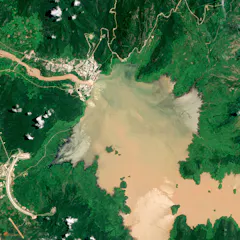
Nile communities carefully monitored and recorded the river’s flow. Centuries later these records are still being used by water resource managers around the world to analyse unpredictable river flows.
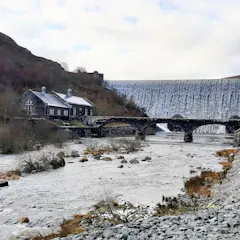
New research published in the journal Nature reveals that more than 1.2 million flow barriers exist on European rivers and that approximately 10% are obsolete.
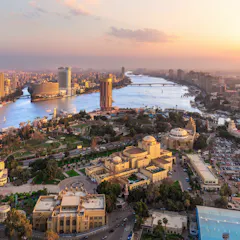
Treaties are needed to govern water resource allocation in the Nile basin region. For this to happen it’s critical to have accurate data on how much water there is.
Top contributors
-

Professor, Weber State University
-
Visiting Adjunct Professor, School of Governance, University of the Witwatersrand
-
Professor of Anthropology, Purdue University
-
Postdoctoral Researcher in Remote Sensing Hydrology, Binghamton University, State University of New York
-
UNESCO Chair River Culture/Fleuves et Patrimoine, Université de Tours
-
Associate Professor, Macquarie University
-
Associate Professor, Department of History, University of Memphis
-
Professor of Government Emeritus, Northeastern University
-
Ph.D. Student in Ancient History, Université de Lorraine
-
Professor and Director of Space and Drone Remote Sensing Lab, University of North Carolina Wilmington
-
Research Scientist in Archaeology, University of Michigan
-
Professor, Vice president for Academic Affairs and Provost, at Illinois State University, Illinois State University