

The baby drop box is a revival of centuries-old cultural practices from the Italian Renaissance when reproductive rights were zero.
Articles on Newborns
Displaying 21 - 38 of 38 articles
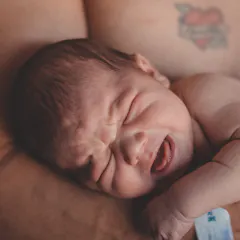
Soon after a baby is born, it’s becoming more common these days for the father or non-birthing parent to be encouraged to place the newborn directly on their chest.

Supporting mothers’ and infants’ sleep can decrease the stressors of motherhood, improve maternal mood and mental health and promote better infant development.

Parents with a newborn were doing significantly better on most parental and relational outcomes during lockdown.

The separation of newborns from mothers who have tested positive for COVID-19 is therefore unnecessary in most cases.

Review of the latest evidence identifies the risk factors for pregnant women.
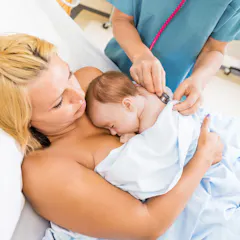
There are effective ways to help reduce babies’ pain during blood draws and injections, but they are used in less than 50 per cent of newborns. Here’s how to ease your infant’s pain.
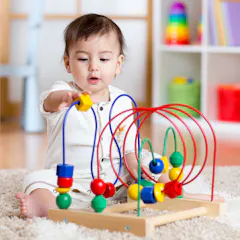
Our study joins a growing body of evidence that suggests caesarean sections may have more consequences than previously thought.

Here are four thoughts and feelings it’s common to have when you have a new baby.

Up to 35% of mothers and fathers don’t fall in love with their baby immediately.

As the COVID-19 pandemic spreads, pregnant women are facing new health risks and a health care system that’s changing around them by the day.

Preparing now can help keep you and your loved ones safe.

Childbirth used to be a terrifying ordeal. But women were surrounded by others – mothers, aunts, sisters – who brought love and experience. But midway through the 19th century, this changed.
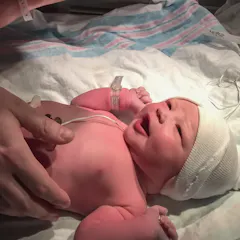
Many parents are told their babies’ smiles aren’t ‘real’. But there is research to suggest otherwise.
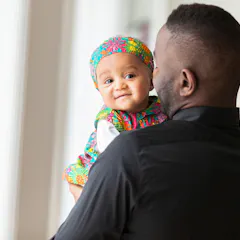
There are a number of barriers to a father’s involvement in the first 1000 days of his child’s life.
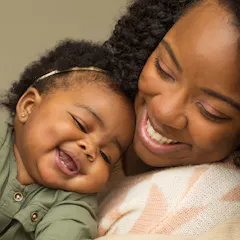
American support of the formula industry comes at the cost of the health and lives of Black and brown babies, at home and abroad.
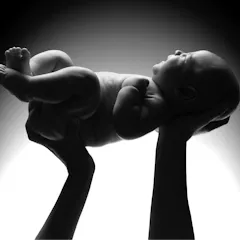
Why are some new parents wiping vaginal fluid all over their baby’s mouth, eyes, and skin?
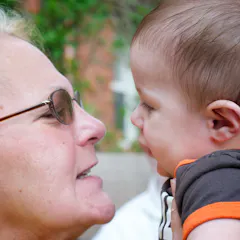
Just a few hours after birth, infants show a preference for human faces. Over the next few months, they learn from facial expressions.
Top contributors
-

Research Fellow, University of Sydney School of Public Health, University of Sydney
-
Adjunct Professor, School of Nursing and Midwifery, Western Sydney University
-
Reader of Psychology, University of Dundee
-
Assistant Professor, School of Nursing, University of Victoria
-
Associate Professor of Medicine and of Pediatrics, UMass Chan Medical School
-
Assistant Professor of Art History, OCAD University
-
Professor of Psychology, Rutgers University - Newark
-
Senior Lecturer in Child Health, Florence Nightingale Faculty of Nursing, Midwifery & Palliative Care, King's College London
-
Clinical Assistant Professor, Director of Interprofessional Education, College of Medicine, Texas A&M University
-
Professor in Medicine, Ethics and Society, University of Warwick
-
Lecturer in Epidemiology and Women’s Health, University of Birmingham
-
Assistant Professor (Research Focussed), Warwick Medical School, Health Sciences, University of Warwick
-
visiting professor at UCL, University of Cambridge
-
Doctoral Student of Neuroimaging, Instituto de Investigación Sanitaria Gregorio Marañón IiSGM
-
Professor of Anatomy, Lancaster University