

The extraordinary story of a stingray, its discovery and its uncertain fate in the Yemen war.
Articles on New species
Displaying 21 - 40 of 56 articles
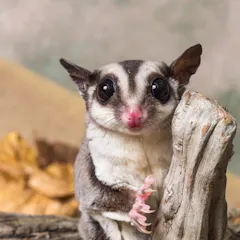
The sugar glider is an icon of the Australian bush. But discovering it’s actually three distinct species has big consequences for its conservation.
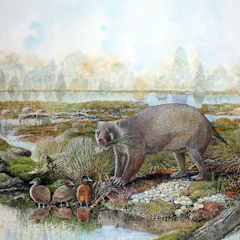
The extinct Mukupirna - which translates to ‘big bones’ - is estimated to have been more than four times larger than any living wombat.
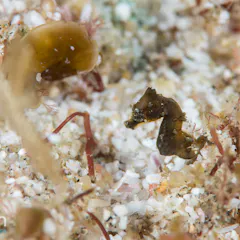
South Africa is home to four other seahorse species, but this was the first time a pygmy seahorse had been observed in South Africa, let alone Africa.
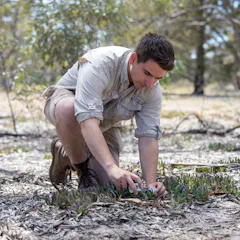
“I arrived in Perth and bought a foam mattress for the back of my car – my bed for half of the trip. I stocked up on tinned food, and I headed north in search of these tiny eight-legged gems.”
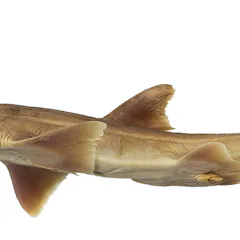
Scientists thought there was only one sixgill sawshark species – until now.
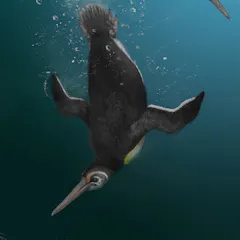
This newly discovered species is the oldest one known to resemble today’s penguins in both size and leg proportions, unlike its giant co-habitants at the time.
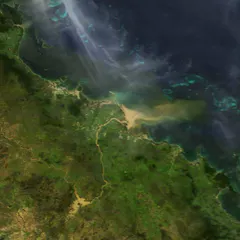
Six months after huge floods swept Queensland we can start to appreciate the huge effect they had on native species.
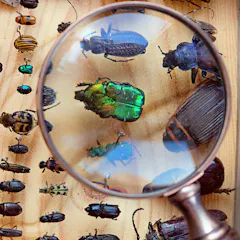
New species are being discovered all the time, which only adds to the problem of knowing how many there are on the planet today. It also helps to know what we mean by species.
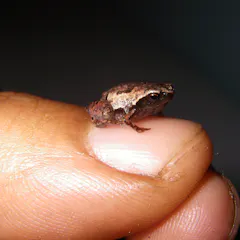
The largest of these frogs could sit happily on your thumbnail. The smallest is just longer than a grain of rice.
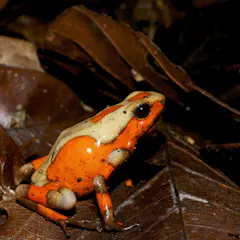
With their jewel-like colours, Colombia’s poison frogs are coveted by collectors. Does naming their species help protect them or make them a target for trophy hunters?
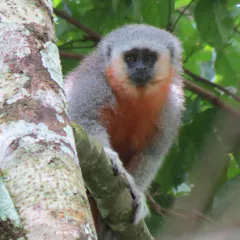
How can there be boom in new species discoveries while others are dying out at unprecedented rates?
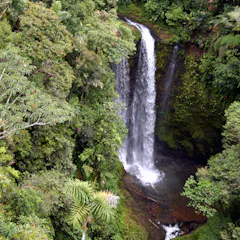
What drives the emergence and disappearance of species? By modeling the fundamental processes of evolution and ecology on geographical scales, new research spotlights topography and climatic shifts.
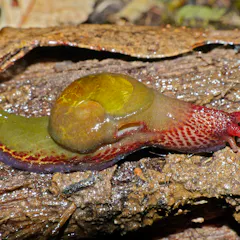
Scientists have been naming species after well-known people since the 18th century, often in a bid for publicity. But the issue deserves attention – 400,000 Australian species are yet to be described.
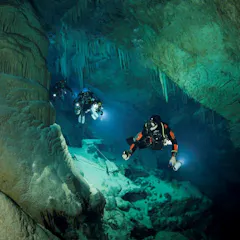
Scientific fieldwork that happens underground and underwater in spectacular but dangerous caves opens a window on a largely unknown world.
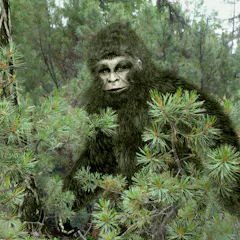
In defence of ‘cryptozoologists’: we have a lot to learn from their curiosity and sense of wonder.
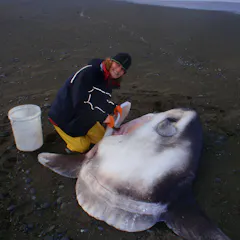
A four-year puzzle has ended with the discovery of a new species of sunfish. These famously strange-looking animals are the largest bony fish in the oceans.
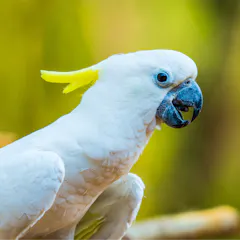
The planet has seen five ‘mass extinctions’ over the past half billion years, but each was followed by an explosion in biodiversity.
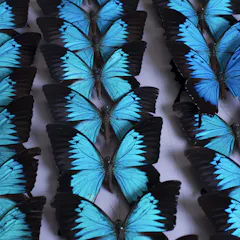
Australian taxonomy resources number around 70 million specimens, valued at over AU$5 billion. That’s big science.
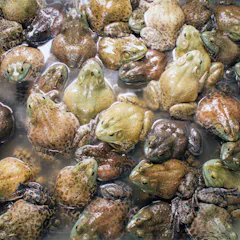
The Earth is full of many varied species from the largest mammals to the tiniest organisms. But we now think there could be ten times more species than was originally thought.
Top contributors
-

Adjunct Assoc. Professor, The University of Western Australia
-
Professor of Conservation and Sustainable Livelihoods, Charles Darwin University
-
Professor of Marine Biology, Texas A&M University
-
PhD, University of Saskatchewan
-
Adjunct Senior Research Fellow, The University of Western Australia
-
Moran Professor of Conservation and Development, University of Cambridge
-
Professor, Leverhulme Centre for Anthropocene Biodiversity, University of York
-
Associate Professor, University of Saskatchewan
-
Distinguished Research Professor, University of Connecticut
-
PhD student, Murdoch University
-
Professor of Ecology, Universidade Federal de Goiás (UFG)
-
Director of the Australian National Insect Collection, CSIRO
-
Professor chair in Tropical Ecology and Conservation, University of Salford
-
Research Scientist, CSIRO
-
The University of Western Australia