
Relying on donor funding means that the funder ultimately determines the health priorities. This is one reason why many programmes in Africa focus on a single disease such as HIV.
Articles on Neglected tropical diseases
Displaying 21 - 40 of 44 articles
Many of these diseases cause tremendous suffering and death – yet there’s still a lack of effective tools to diagnose, treat, and prevent them.
Every year, around 455 million get scabies. Not that you’d know, because no one talks about it.
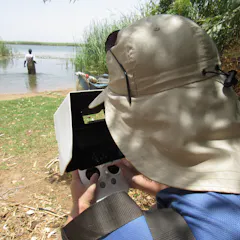
Schistosome worms infect hundreds of millions of people worldwide. Researchers have discovered how to use inexpensive drones to identify disease hotspots in remote African villages.
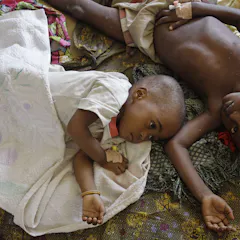
There’s a big market for new treatments for TB, malaria and other ailments. But most of these diseases afflict low-income people unable to pay for medicine.
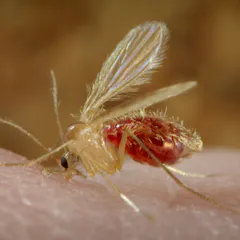
Each year 50 000 people from 89 countries, in every continent except Antarctica, die from leishmaniasis, an ancient neglected disease.

Scientists need to continue working across disciplines to find ways to disrupt disease transmission in the context of climate change.
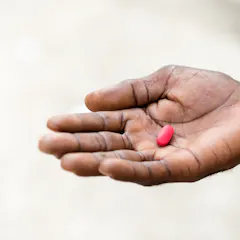
A cure for many tropical diseases was discovered 30 years ago this month. The drug is donated by its manufacturer. Why are we still dealing with neglected tropical diseases?
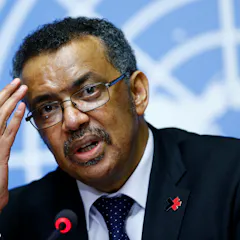
How will the World Health Organisation’s Director-General Dr Tedros Ghebreyesus deal with the mounting challenges? Africa’s academics have some tips.
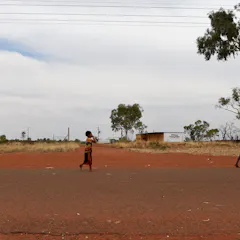
Scabies was one of the scourges of those on the First Fleet, but no longer known for most in Australian society. However, in the far remote North, scabies infection is endemic.
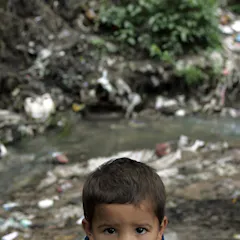
There’s a growing body of evidence that shows we could be doing more for the close to billion children at risk of intestinal worms. We simply cannot afford to ignore it.
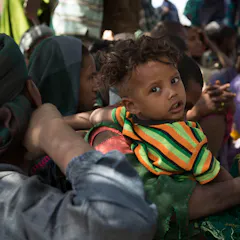
Although a drug of known safety and efficacy is available, scabies still affects more than 100 million people across the world.

A century and a half after buruli ulcer was discovered, the disease continues to mystify scientists.
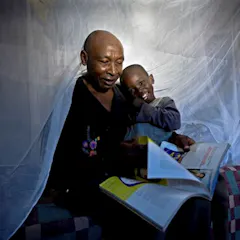
Although there have been global efforts to eliminate parasites, some parasites and vectors will have survived attack because they have evolved resistance.
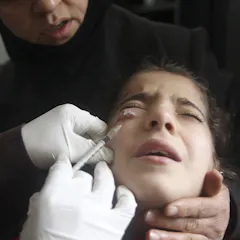
The collapse of Syria’s health system is helping spread leishmaniasis but not in the way some media outlets have reported.
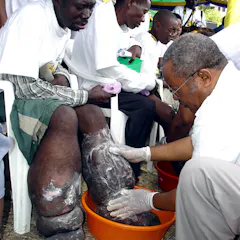
The drug that led to two scientists wining the Nobel Prize for Physiology or medicine has made a significant difference for those suffering from elephantiasis and river blindness.
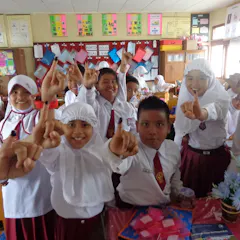
The 2015 Nobel Prize in medicine went to research on remedies derived from natural compounds. Academia is continuing the fight against ‘neglected’ diseases by similarly hunting for new drugs in nature.
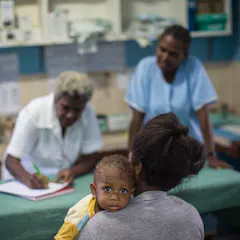
Health has secured its place as one of the 17 Sustainable Development Goals. But without clear mechanisms to report, finance or engage other sectors, could more end up as less?

Tropical parasites have been moving up the world health agenda in recent years. They’re still a long way from the top, though.
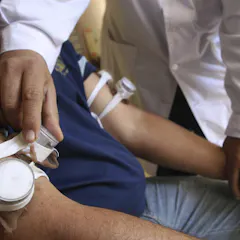
This parasitic infection is endemic in Central and South America, and can lead to serious health complications. Though rare in the US, incidence is starting to increase.
Top contributors
-

Senior Research Fellow in Global Health, University of Southampton
-
Researcher, Kenya Medical Research Institute
-
Professor in Global Health Infection and Immunity. and co-Director of the Global Health Academy, University of Edinburgh
-
Senior Lecturer in Parasite Epidemiology, School of Natural and Environmental Sciences, Newcastle University
-
Associate Professor of Human Rights, University of Winnipeg
-
Senior Lecturer in Immunology of Infectious Diseases, Kwame Nkrumah University of Science and Technology (KNUST)
-
Assistant Professor, Department of Nursing Foundations, MacEwan University
-
Professor of Parasitology and Epidemiology, Federal University of Agriculture, Abeokuta
-
Professor of Dermatology , University of Lome
-
Research Associate, focus on health rights, laws and policies, Simon Fraser University
-
Scientific Co-Director and Associate Professor, University of Waterloo
-
Professor of Dermatology, University of Lome
-
Distinguished Professor, Division of Family Medicine and Primary Care, Stellenbosch University
-
Assistant Professor-Division of Infectious Diseases, The Ohio State University
-
Specialist Scientist, Health Systems Research Unit, South African Medical Research Council