
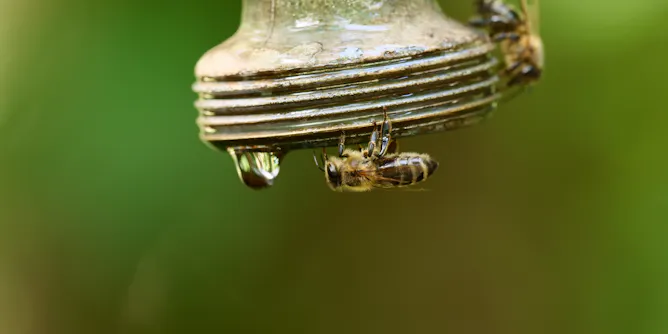
Honey bees, wild and native bees face threats from parasites, pesticides and habitat loss. Shorter winters, more extreme weather and more habitat destruction won’t help.
Articles on Native plants
Displaying 21 - 40 of 70 articles
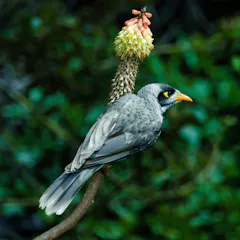
Our study found it wasn’t cafes with access to sugar-rich food that led to more miner aggression. In fact, gardens were where we recorded the highest amount of aggressive behaviour.

With spring’s arrival, it’s important to know which plants might exacerbate hay fever. Surprisingly, it’s not native wattles you have to watch out for.
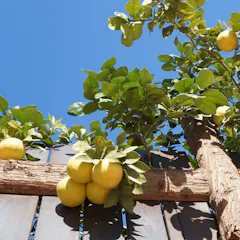
Spring has settled in and fruit is starting to ripen. Read this before you start helping yourself to the edible plants growing in your neighbourhood.

Many plants are really good at withstanding bushfires, but the combination of drought, heatwaves and pest insects under climate change may push them to the brink.
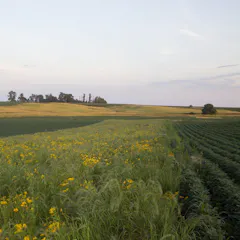
Farmers can help slow climate change by mixing native grasses into croplands, restoring wetlands and raising perennial crops. These strategies also conserve soil and water and build new markets.

Large-scale tree-planting projects are politically popular and media-friendly, but without effective planning and long-term management, they can do more harm than good.
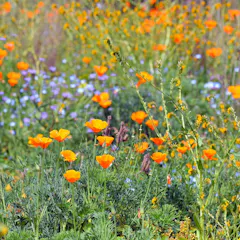
Looking for a new gardening challenge? Turning your yard into an insect-friendly oasis could mean less work and more nature to enjoy.

What blooms underground and smells like vanilla? The answer is an underground orchid, and I never expected to see one, let alone have the privilege of working on them.
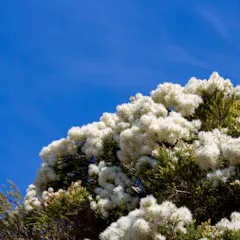
In many parts of Australia, the trees are in full flower in December. But once they start you must be quick to catch sight of them, the impressive flower show doesn’t last more than a couple of weeks.
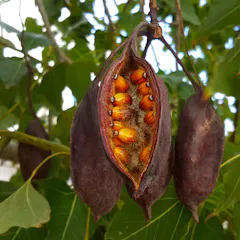
‘As I learn more about First Peoples’ plant knowledge, I’m also better understanding the broader Australian community’s failure to recognise the depth and breadth of our expertise.’
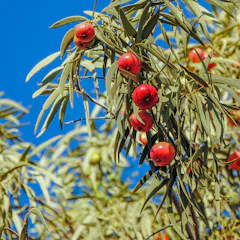
Our medicine, cosmetics and other everyday products contain compounds taken from nature. But Traditional Owners may not have given permission for the materials or their knowledge to be used.
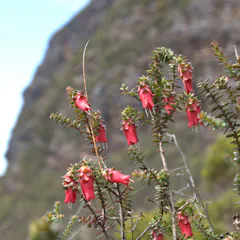
Three quarters of WA’s Stirling Ranges national park now experience fire cycles twice as frequent as species recovery rates.
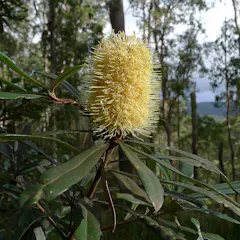
The plant takes its name from the colonial botanist Joseph Banks, but the coastal banksia’s history goes way back to ancient times.
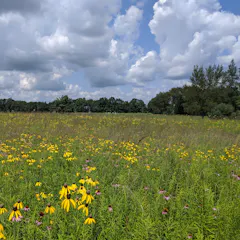
Restoring former prairies that have been plowed under for farming delivers land, wildlife and climate benefits. But a new study finds that the weather plays a surprising role.
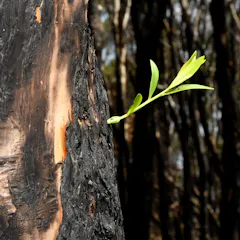
By all means, rescue an injured koala. But by pulling out weeds after the fires, you could also help rescue a whole ecosystem.
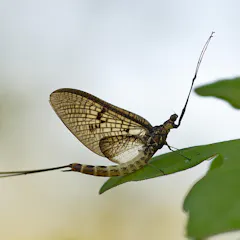
Mayflies and stone flies are extremely vulnerable to water pollution, which has implications for the larger food chain.

When ecosystems aren’t able to repair themselves, it’s up to us to intervene.

Huge gum tree plantations shelter big koala populations, but when the trees are cut down the koalas flood into nearby habitat.
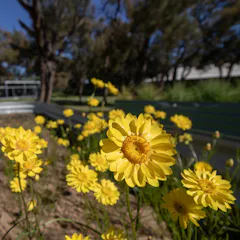
Despite the optimistic name, the showy everlasting only has three wild populations in Australia. But a West Australian public school has stepped up to help grow vital new seeds.
Top contributors
-

Senior Research Associate, School of Agriculture, Food and Ecosystem Sciences, The University of Melbourne
-
Assistant Professor of Biology, Baldwin Wallace University
-
Associate professor, University of Canterbury
-
Associate Professor, University of Southern Queensland
-
Adjunct Associate Professor, Murdoch University
-
Research Fellow, Curtin University
-
John Curtin Distinguished Professor, Curtin University
-
Senior Lecturer in Ecology, Edith Cowan University
-
Curator of Zoological Collections and Assistant Professor, Western University
-
PhD Candidate, Australian National University
-
Emeritus professor, Murdoch University
-
Adjunct Assoc. Professor, The University of Western Australia
-
Senior Lecturer in Ecology, Environment & Evolution, La Trobe University
-
Associate Professor in Environmental Science, Western Sydney University
-
Laboratory and Technical Support Officer, Australian Tropical Herbarium, James Cook University