
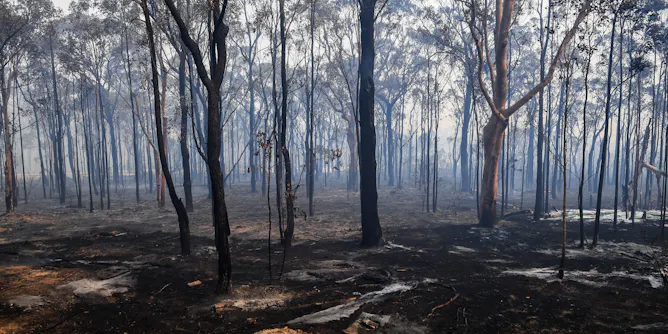
A startling phenomenon occurs after a fire tears through a landscape. So what is it in bushfires that gives plants this kiss of life?
Articles on Native plants
Displaying 41 - 60 of 70 articles
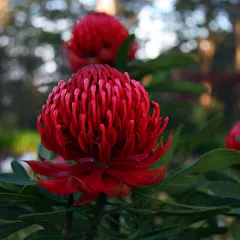
In an often-muted bush landscape, the deep crimson of the waratah stands out like a shout.

The blotched butterfly orchid (Sarcochilus weinthalii) looks fairly unremarkable when it’s not flowering, generally resembling the far more common orange blossom orchid. But when it flowers, it is exquisite…
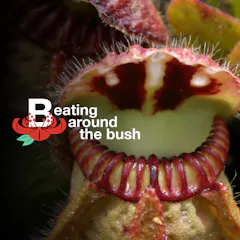
Albany pitcher plants are more closely related to cabbages and roses than any other carnivorous plant.
Waterwheel plants use snap up mosquito larvae, tiny fish and even tadpoles in freshwater wetlands around the world – including remote parts of north Australia.
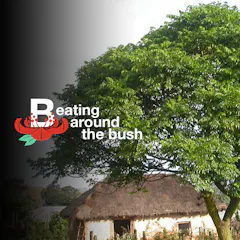
White cedar grows across Asia and Australia, as a hardy and resilient deciduous.

Eucalypts have been in Australia for 45 million years. But hundreds of species appeared more recently than previously thought.
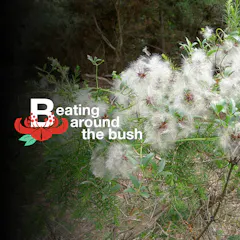
What grows everywhere and looks good doing it? Clematis aristata.
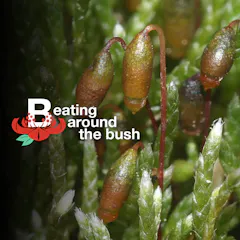
The moss that grows in pavement cracks and on the edge of basketball courts in every town and city in Australia has a secret superpower.
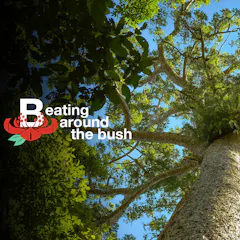
During its first few decades, this tree is the runt of the rainforest. And then it starts its growth spurt, and can go on to live for millennia.
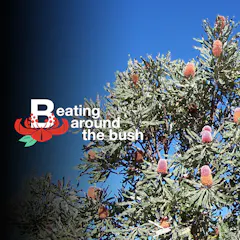
Firewood banksia don’t just survive in Western Australia’s sandy plains, they thrive, showing off with vibrant, pink-red flower spikes.
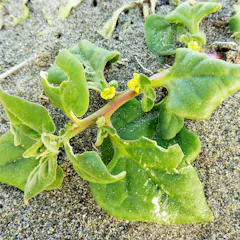
This native succulent is a tasty bush food.
This retiring violet tucked away in the Australian bush holds the key to future generations of medically-engineered plants.
Native cherries are everywhere, but we know surprisingly little about them.
Australia is the world centre for sexual deception in plants, tricking wasps along the way.
Spinifex grass is a (slightly ugly) Aussie battler that keeps on giving.
European settlers suspected Australia’s high tropical forests hid native rhododendrons.
Scientists are racing against the clock to figure out how to propagate the rare leek orchid before it goes extinct.
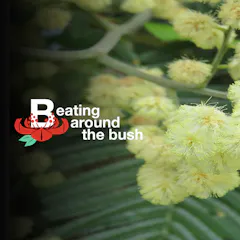
Black wattle is part of Australia’s iconic acacia family, but it’s largely regarded as a pest overseas. But this fast-growing plant is a boon to gardeners, improving soil and sheltering other plants.
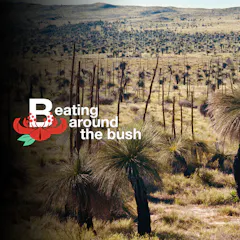
Grass trees are wonderfully odd. They fit no neat definition, and can live up to 600 years.
Top contributors
-

Senior Research Associate, School of Agriculture, Food and Ecosystem Sciences, The University of Melbourne
-
Assistant Professor of Biology, Baldwin Wallace University
-
Associate professor, University of Canterbury
-
Associate Professor, University of Southern Queensland
-
Adjunct Associate Professor, Murdoch University
-
Research Fellow, Curtin University
-
John Curtin Distinguished Professor, Curtin University
-
Senior Lecturer in Ecology, Edith Cowan University
-
Curator of Zoological Collections and Assistant Professor, Western University
-
PhD Candidate, Australian National University
-
Emeritus professor, Murdoch University
-
Adjunct Assoc. Professor, The University of Western Australia
-
Senior Lecturer in Ecology, Environment & Evolution, La Trobe University
-
Associate Professor in Environmental Science, Western Sydney University
-
Laboratory and Technical Support Officer, Australian Tropical Herbarium, James Cook University