
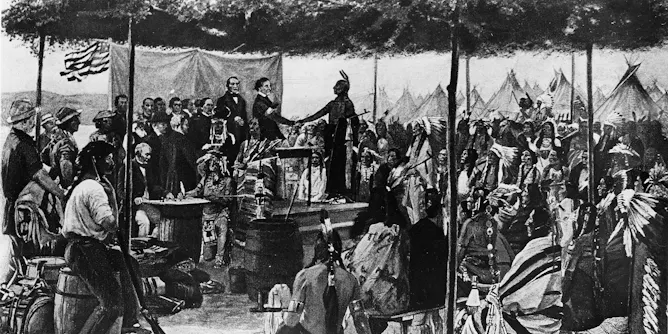
Native American lands contain 30% of the nation’s coal, 50% of its uranium and 20% of its natural gas, as well as copper, lithium and rare earth elements.
Articles on Native American reservations
Displaying all articles
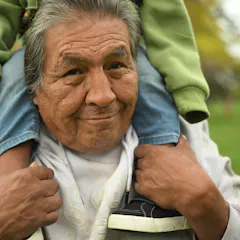
Many Native American languages only have a few native speakers left.

Tribal governance takes a long view based in Native peoples’ deep history with these lands.
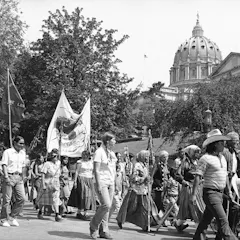
Movements like the Journey of Nishiyuu walk the land to reclaim culture and push for Indigenous nations’ rights.
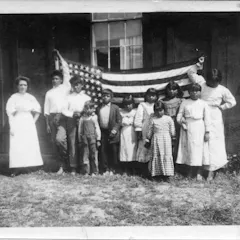
Why few Native Americans are celebrating the centennial of the Indian Citizenship Act of 1924.
Top contributors
-

Associate Professor of Native American and Indigenous Studies, San José State University
-
Professor in History, University of Birmingham
-
Assistant Professor of Theology and Religious Studies, University of San Diego
-
Assistant Professor of History, University of Idaho
-
Professor of Linguistics, University of Colorado Boulder