
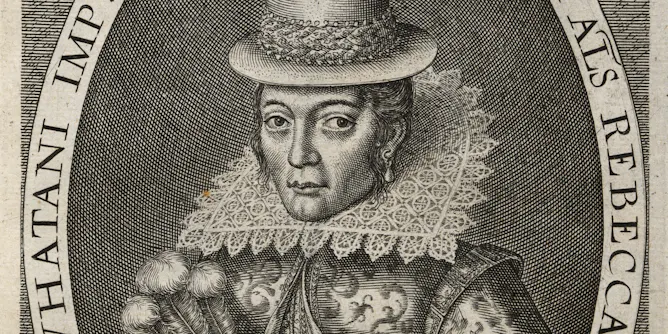
The English assumed people they colonized would convert to their way of life, including Protestant Christianity – an assumption reflected in Pocahontas’ portrait.
Articles on Native American history
Displaying all articles
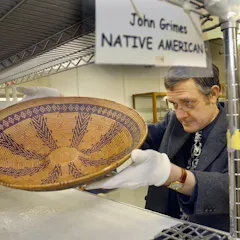
Congress passed a law in 1990 mandating the return of all Native American items that federally funded institutions took without consent. Progress since then has been slow.
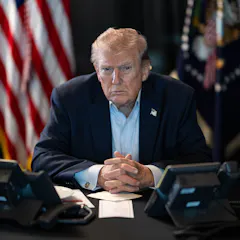
Donald Trump’s communication style, especially since the start of the US military campaign against Iran has revived several old myths that are engrained in the American psyche.

Native American lands contain 30% of the nation’s coal, 50% of its uranium and 20% of its natural gas, as well as copper, lithium and rare earth elements.
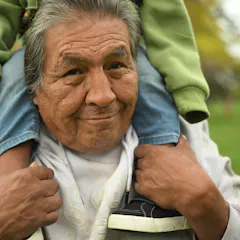
Many Native American languages only have a few native speakers left.

Current laws that deem species safe from extinction ignore their ecological role, geographic range and genetic diversity, as well as their relationships with people.

Tribal governance takes a long view based in Native peoples’ deep history with these lands.

My PhD research explores the exploitation and assimilation Native American children were subjected to in the nineteenth century.

From the 19th to 20th century, Native children were physically removed from their homes and put into boarding schools. A scholar asks if that was genocide.
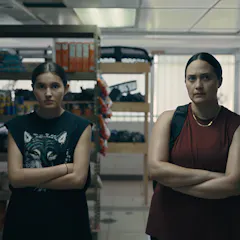
Life on the rez isn’t easy but there’s joy in this heartwarming film about female familial bonds and the importance of Indigenous culture.
Top contributors
-

Emeritus Professor in the School of Art, Media and American Studies, University of East Anglia
-
Professor in History, University of Birmingham
-
Professor of History, University of Illinois Urbana-Champaign
-
PhD Candidate, Department of English and Related Literature, University of York, University of York
-
Assistant Professor of History, University of Idaho
-
Faculty Affiliate in Wildlife Biology, University of Montana
-
Distinguished Professor of Conservation Biology & Policy, University of Montana
-
Ph.D. Student in Wildlife Biology, University of Montana
-
Professor of Linguistics, University of Colorado Boulder
-
Spécialiste de la politique américaine, Sciences Po
-
Associate Professor of Native American and Indigenous Studies, San José State University
-
Distinguished Professor and Professor of the Humanities, USC Dornsife College of Letters, Arts and Sciences