
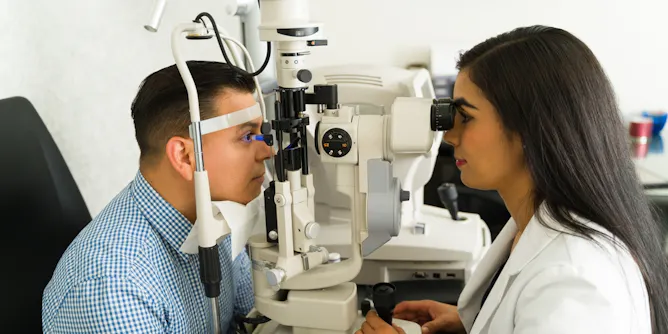
In December, the U.S.-based National Academy of Sciences published a report classifying myopia, for the first time, as a disease and no longer as a refractive error.
Articles on Myopia
Displaying 1 - 20 of 29 articles
Light helps explains the evolution of our skin colour, why some of us have curly hair, and the size of our eyes. And light still shapes us today.
Lennon’s round glasses are a key part of how we remember him. And the story behind why he wore them in public is part history, part vision science.
Some of the ads promise that you can throw away your glasses. But what does the evidence say?
While reading, scrolling and focusing on other objects near our faces increase the risk of developing myopia, a little time outdoors in the sun can help mitigate it.
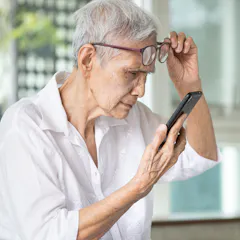
Ever felt like your new glasses are making your ‘natural’ eyesight worse? It could be in the eye of the beholder.
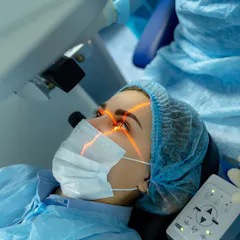
It is possible to have surgery to replace the crystalline lens, the natural lens of the eye, with an implant — without having a cataract. But surgery has risks.
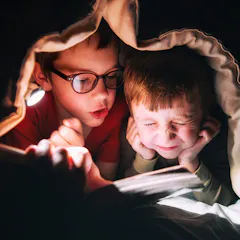
Evidence suggests that neither books nor electronic devices are directly to blame for the increase in myopia worldwide. Rather, they enhance this phenomenon by keeping children out of the sunlight.
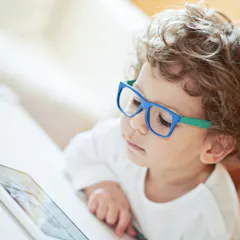
The impact of using electronic devices is critical during the first years of life, both visually and on the cognitive and social development of the child.
Since the Brexit referendum in 2016, Africa has slipped from its precarious but tangible place in UK political discourse.
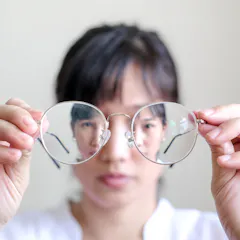
The study found 30% of adults born between 1965-1970 were short-sightedness.
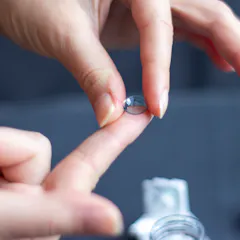
Orthokeratology involves wearing a specially designed rigid contact lens overnight. There’s good evidence it can help slow the progression of myopia. But like all treatments, there are risks, too.
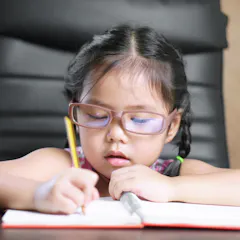
Researchers are still uncovering how modern lifestyles may be causing this increase.
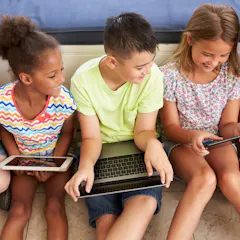
The COVID-19 pandemic has resulted in children spending more time on digital devices, which may have a long-term impact on their vision, including the risk of myopia.
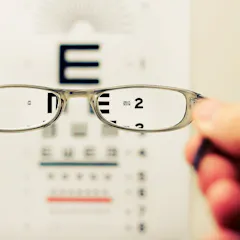
The COVID-19 pandemic has caused people of all ages to cancel or delay routine eye care, raising red flags among eye care professionals.

New study finds that glasses may help protect from catching coronavirus. But we need more evidence.
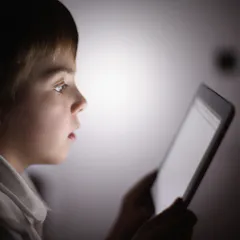
With online learning and social distancing, kids are spending more time staring at screens and less time outdoors. That can put them at higher risk of myopia and serious eye problems in the future.
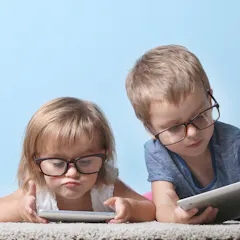
Too much studying and staying indoors are more likely to blame for the rise in the number of children with myopia, or short-sightedness.

When you head out onto the road, there’s always a chance that you might encounter a driver who has a vision problem, putting his or her driving at risk. Regulations need to change.

Adults must let go of their fears of injury and kidnapping. Children need free outdoor play to build physical immunity, psychological health, executive functioning and social skills.
Top contributors
-

Professeur Titulaire. École d'optométrie. Expertise en santé oculaire et usage des lentilles cornéennes spécialisées, Université de Montréal
-
Lecturer in Optometry, University of Bradford
-
Visiting Fellow, Research School of Biology and Distinguished Visiting Fellow, Zhongshan Ophthalmic Center, Sun Yat-sen University, Guangzhou, CHina, Australian National University
-
Dean, College of Optometry , The Ohio State University
-
Professor of Orthoptics, Graduate School of Health, University of Technology Sydney
-
Professor in Global Development, SOAS, University of London
-
Professor of Environmental Humanities, University of Kent
-
Frost Professor of Ophthalmology, King's College London
-
Professor of Optometry, The Ohio State University
-
MRC Clinical Research Fellow (Ophthalmology), King's College London
-
Assistant Professor of Ophthalmology, UMass Chan Medical School
-
Clinical Professor, School of Optometry & Vision Science and Clinical Scientist, Centre for Ocular Research & Education (CORE), University of Waterloo
-
Clinical Scientist at Centre for Ocular Research & Education, University of Waterloo
-
Professor of Optometry and Associate Head of School of Medicine (International and Partnerships), Deakin University
-
Assistant Professor, Virginia Commonwealth University