

Pollen, algae, insects, radiolarians – each unique microfossil holds clues to how Earth has changed over millions of years. Combining AI with digital scanners helps researchers piece it all together.
Articles on Museum specimens
Displaying all articles
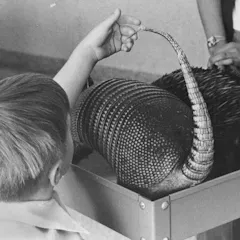
Museum archives hold biological specimens that have been collected over years or even decades. Modern molecular analysis of these collections can reveal information about pathogens and their spread.

Historical accounts show the upokororo was once common in rivers across the country. It’s now officially extinct, but is there a chance survivors could still be found in remote waterways?
Top contributors
-

Postdoctoral Research Fellow, Genetics, School of Archaeology, University of Oxford
-
Associate Professor in Ancient DNA, University of Otago
-
Ph.D. Candidate in Ecology of Infectious Diseases, University of Kansas
-
Postdoctoral Fellow, Department of Zoology, University of Otago
-
Postdoctoral Research Fellow in Natural History, Smithsonian Institution
-
Research Geologist and Curator of Paleobotany, Smithsonian Institution