
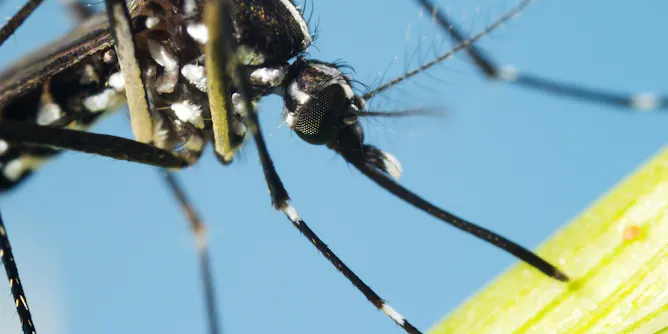
Mosquitoes love sugar – so much so that can delay their search for our blood. Now, their sweet tooth may have revealed an important genetic weapon against the spread of mosquito-borne disease.
Articles on Mosquitoes
Displaying 121 - 140 of 242 articles
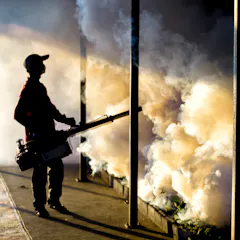
In the ongoing arms race to kill off mosquitoes that spread malaria, researchers have modified a naturally occurring fungus that kills mosquitoes with a deadly toxin to wipe out these insects faster.

Progress against malaria has stalled. There’s been an increase in the number of cases reported since 2015.

Mosquito-borne dengue virus returned to central Queensland after being absent for decades. But while most Australian cases involve travellers, this one is locally acquired.
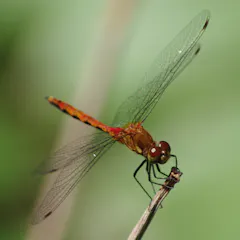
Alarm bells went off when several recent studies reported mass insect die-offs in different parts of the world. But reports of an ‘insect apocalypse’ have been greatly exaggerated.
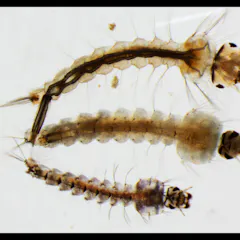
Researchers are only beginning to understand the impact of pollution and increased temperatures on the biology of mosquitoes.

Been on a tropical holiday? You might have brought home more than just a new sarong and extra colour in your cheeks – perhaps a mosquito that spreads dengue, or another known as ‘the BBQ stopper’.
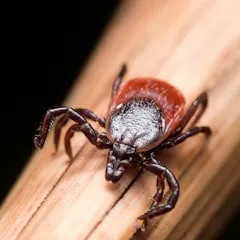
Ticks are generally inactive in the winter and start to look for their next meal as temperatures warm up. But as winters warm, every season may become tick season.

CC BY-NC-ND6.58 MB (download)
It's increasingly difficult to manage diseases in inner cities.
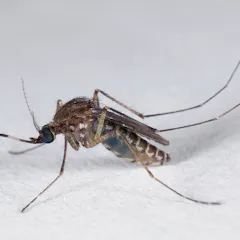
Murray Valley encephalitis virus is a rare but potentially fatal mosquito-borne virus. Here’s what you need to know about it.
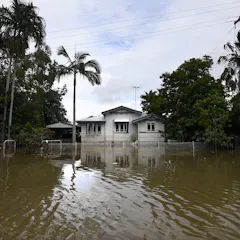
The more water, the more mosquito eggs are laid, and the more mosquitoes end up buzzing about. But to spread disease to people, they first need to bite infected wildlife.
CC BY-ND5.68 MB (download)
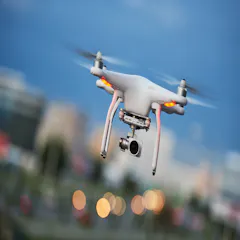
Drones are being used to combat malaria in Zanzibar.
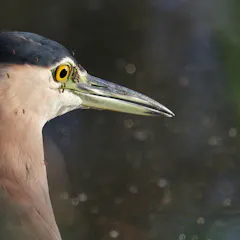
Thousands of Australians contract Ross River virus each year. Mozzies can infect us with their bites, but only after they’ve bitten an infected animal host.

You may not agree with using the gene-editing tool, CRISPR, to alter the DNA of human babies. But what about using it to engineer plants? Or wipe out one of the world’s most dangerous creatures?
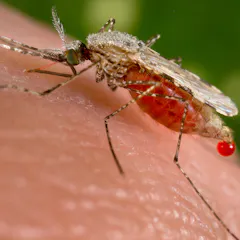
Researchers are exploring genetic forms of population control called gene drives that spread traits faster that happens naturally. The goal is to curb mosquito-borne diseases like malaria.
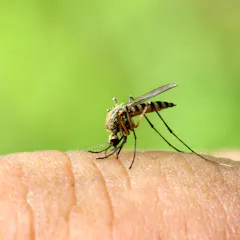
Only half of Australia’s mozzies have been officially diagnosed, so how are scientists able to identify the others to help fight disease?

Genetically modified mosquitoes breed fear and suspicion, especially since the research happens behind closed doors, away from the public. Now scientists and architects are trying to change that model.

It’s tempting to ditch the mozzie creams and sprays, and switch to clothing that has its own “built in” bug repellent instead. But the technology isn’t quite there yet.

The fight against malaria needs scientific innovation. But community buy-in is just as important.
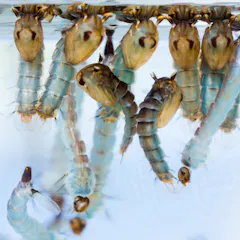
Researchers have tried unsuccessfully for decades to develop a malaria vaccine. Now a new approach, showing promise in mice, suggests it is possible to block mosquitoes from spreading the disease.
Top contributors
-

Clinical Associate Professor, School of Medical Science & Sydney Infectious Diseases Institute; Principal Hospital Scientist, University of Sydney
-
Medical scientist, National Institute for Communicable Diseases
-
Principal Medical Scientist and Head of Laboratory for Antimalarial Resistance Monitoring and Malaria Operational Research, National Institute for Communicable Diseases
-
Medical Entomologist, The University of Queensland
-
Medical Entomologist at the School of Biological Sciences, University of Nairobi
-
Dean Students, College of Health, Adelaide University
-
UP ISMC: Project Manager and Coordinator, University of Pretoria
-
Professorial Research Fellow, James Cook University
-
Director: UP Institute for Sustainable Malaria Control, University of Pretoria
-
Associate Professor, Ecology, Northumbria University, Newcastle
-
Professor, The University of Queensland
-
Scientist, International Centre of Insect Physiology and Ecology
-
Research Fellow at the University of Sydney, University of Sydney
-
Professor of Advanced Technology Transitions, Arizona State University
-
Distinguished Professor, Public Health and Medical Anthropology, University of the Witwatersrand