
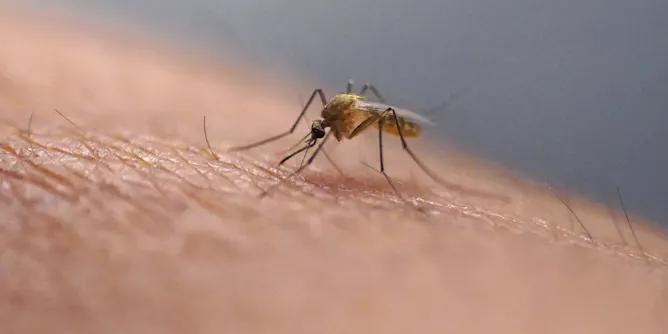
West Nile virus arrived in North America in 1999 and spread across the continent by 2005. Here’s what you need to know about this mosquito-borne pathogen.
Articles on Mosquitoes
Displaying 61 - 80 of 242 articles

Warm weather has arrived and that means our annual battle against mosquitoes is back on. Here are five ways to mosquito-proof your backyard that don’t rely on spraying insecticides.

Methods that don’t rely on insecticides are needed to bolster the fight against mosquito-borne diseases.
Two mosquito physiology experts explain which repellents work better than others and how to protect yourself this summer.
After recent cases in Florida and Texas, authorities are advising the public to drain standing water sources to keep mosquitoes from multiplying.

An expert on mosquito ecology provides top tips to avoid being bitten by these pesky insects.
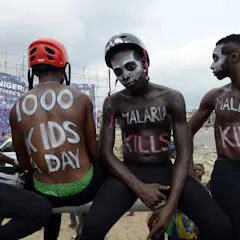
Nigeria must do more to reduce its high malaria burden.
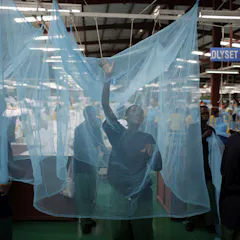
There have been disruptions. But national malaria control programmes have shown impressive resilience.

Murray Valley encephalitis has been detected in south-eastern Australia. No human cases have yet been reported, but past outbreaks after floods show we need to be cautious.
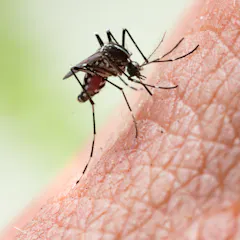
A medical myth persists that the B vitamin thiamine is a systemic insect repellent that wards off mosquitoes when taken orally. But scientists have disproven this mistaken belief again and again.
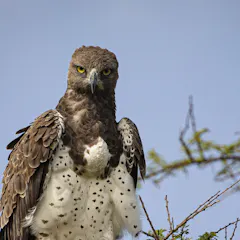
DDT accumulates in wildlife and magnifies up the food chain. Birds of prey occupy the top of these food chains in various ecosystems.

Rain and floods mean mozzie numbers are booming. Australia has around 300 different mosquito species, but they can’t all make us sick, or even bite.
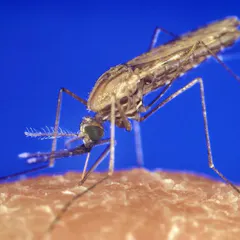
As the Earth warms up the malaria vector will develop faster, allowing them to breed faster, bite more frequently and expand into formerly unsuitable habitats.
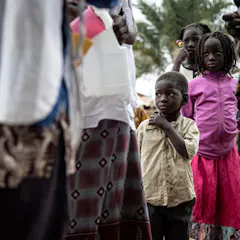
There are many reasons that malaria is so persistent in Africa. Four of them are poverty, human movement, resistance and climate change.

Mozzies can make you sick by injecting a cocktail of saliva and virus when they bite. Ross River virus has long been a risk but now we’re also contending with the more serious Japanese encephalitis.

France experienced its largest outbreak of ‘native’ dengue this summer. Thanks to climate change, Europe can expect more of the same.
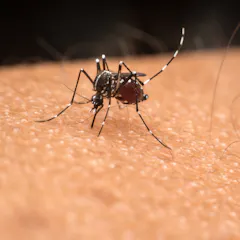
Mosquitoes can track down potential hosts using the CO2 released by humans’ metabolic processes, a medical entomologist explains.
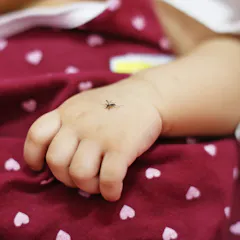
Not all cases of La Crosse disease affect the neurological system, but those that do can be severe and sometimes fatal – especially in children.
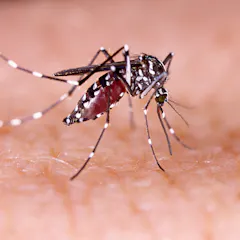
It is estimated that half of world’s population is at risk of being infected by an arbovirus.
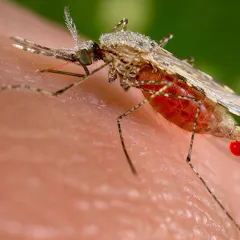
The spread of this urban malaria vector species threatens the gains made against malaria and the achievement of malaria elimination.
Top contributors
-

Clinical Associate Professor, School of Medical Science & Sydney Infectious Diseases Institute; Principal Hospital Scientist, University of Sydney
-
Medical scientist, National Institute for Communicable Diseases
-
Principal Medical Scientist and Head of Laboratory for Antimalarial Resistance Monitoring and Malaria Operational Research, National Institute for Communicable Diseases
-
Medical Entomologist, The University of Queensland
-
Medical Entomologist at the School of Biological Sciences, University of Nairobi
-
Dean Students, College of Health, Adelaide University
-
UP ISMC: Project Manager and Coordinator, University of Pretoria
-
Professorial Research Fellow, James Cook University
-
Director: UP Institute for Sustainable Malaria Control, University of Pretoria
-
Associate Professor, Ecology, Northumbria University, Newcastle
-
Professor, The University of Queensland
-
Scientist, International Centre of Insect Physiology and Ecology
-
Research Fellow at the University of Sydney, University of Sydney
-
Professor of Advanced Technology Transitions, Arizona State University
-
Distinguished Professor, Public Health and Medical Anthropology, University of the Witwatersrand