
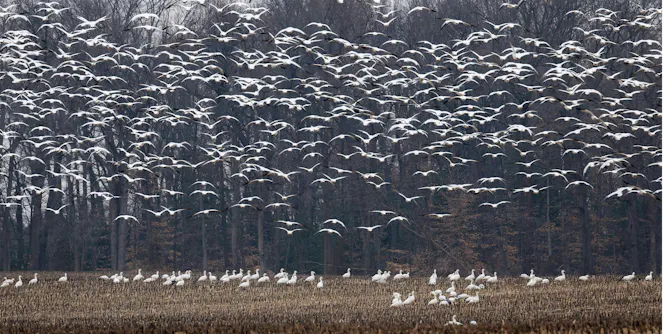
Avian influenza viruses have evolved to infect birds, but the current H5N1 outbreak is also infecting a wide range of mammals. This suggests that it could mutate into forms that threaten humans.
Articles on Migratory birds
Displaying 21 - 40 of 51 articles
Russia has vast natural resources and is involved in many conservation efforts. Its diplomatic isolation as a result of the war in Ukraine is making it harder to protect many wild species and places.
Fifty years ago, the Salton Sea was a draw for boaters and fishermen; today it’s an ecological time bomb. Two water experts who served on a state review panel describe its proposed rescue plan.

Hunters are warned to take precautions handling wild birds, and the virus can spill over to non-avian species, so no one should approach wild animals that appear ill.

The US Supreme Court opens its 2022-2023 term with a case that could greatly reduce federal protection for wetlands. Here is what makes these ecosystems valuable.
Satellite telemetry, tiny geolocation tags and passive acoustic recording are providing new insights into bird migration and vital data for conservation.
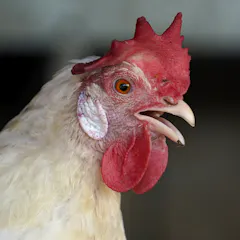
Avian influenza virus — or bird flu — can infect domestic poultry such as chickens and turkeys, as well as wild birds. The H5N1 strain has been identified in Canada.
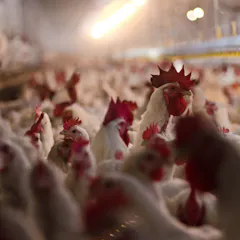
Bird flu is highly contagious in domestic flocks, and a major outbreak is underway in the US. A veterinary scientist explains what consumers need to know.
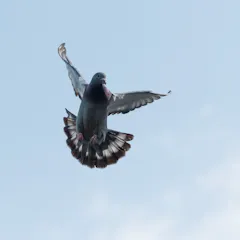
In nature, one group of bacteria produces magnetic particles to orient themselves along Earth’s magnetic field lines.
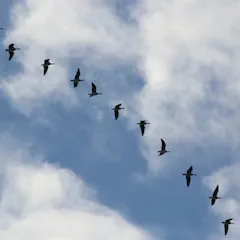
Some bird species travel thousands of miles every year as part of their annual migratory journeys.
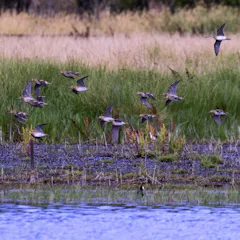
Imagine flying for five days straight, arriving at your destination emaciated and exhausted, only to find your habitat has disappeared. Such is the plight of the Latham’s Snipe.
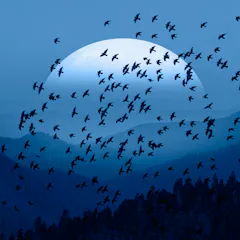
Some birds may effectively possess an in-built, global GPS system.
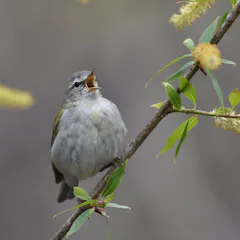
Cities are danger zones for migrating birds, but there are ways to help feathered visitors pass through more safely
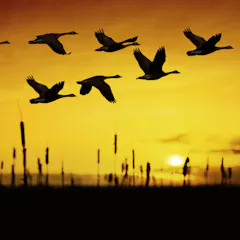
Geese honk loudly and point their bills toward the sky when they’re ready to start the migration. Here’s how they know it’s time, how they navigate and how they conserve energy on the grueling trip.
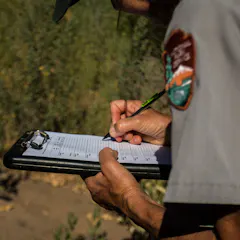
The COVID-19 pandemic is interrupting scientific field work across North America, leaving blank spots in important data sets and making it harder to track ecological change.
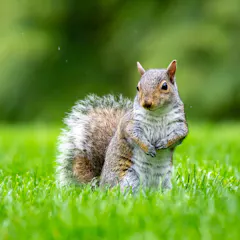
With careful observation, you can start to recognize that one sassy squirrel or the cardinal pair who call your neighborhood home.
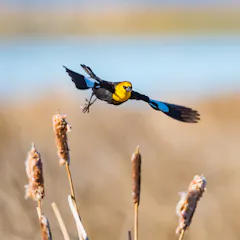
The Canadian Prairies are vanishing more quickly than the Amazon rainforest as they are converted for agriculture and industrial uses.
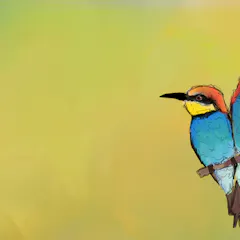
Even in the breeding grounds, we found that European bee-eaters preferred the company of some birds over others. These tended to be the individuals they migrated with.

A collection of millions of bird sightings has identified the best places to invest in conservation.

Artificial light, from low-level backyard lighting to lights in office buildings and skyscrapers, distract migratory birds with deadly effects.
Top contributors
-

Professor of Natural Resources and the Environment, Cornell University
-
Professor in Biodiversity and Conservation, The University of Queensland
-
Professor of Biology, Clarkson University
-
Professor of Animal Behaviour, Bangor University
-
Postdoc, University of Konstanz
-
Senior research fellow, The University of Melbourne
-
Associate Professor of Veterinary Medicine, Iowa State University
-
Professor, Biodiversity Informatics, University of Cape Town
-
Ph.D. student in Ecology, Colorado State University
-
Adjunct Professor, School of Environment and Sustainability, University of Saskatchewan
-
Research assistant, The University of Queensland
-
Assistant Professor, Department of Biology; Canada Research Chair Tier 2 in Global Change Biology, Concordia University
-
Assistant professor, University of Guelph
-
Associate Research Professor of Wildlife Conservation, Penn State
-
PhD Candidate, University of Cambridge