

Tiny geolocators measure light levels and atmospheric pressure to reveal the migrations of small songbirds – including the yellow-rumped warbler, also known as a butter-butt – in unprecedented detail.
Articles on Bird migration
Displaying 1 - 20 of 24 articles
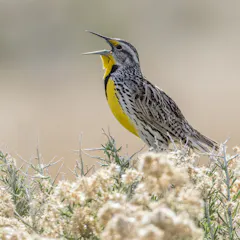
Listening to bird songs and calls can help identify species and connect with the sounds of nature. An ornithologist provides tips and tricks to bird by ear.

Understanding this migration is crucial. New developments proposed in Bass Strait, particularly offshore wind farms, may introduce challenges for migrating birds.
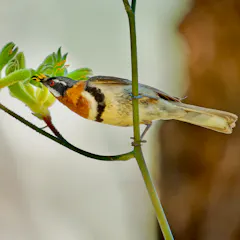
Months of hot and dry weather, with only 23mm of rain recorded over seven months, drove some species to seek food and water in the city.
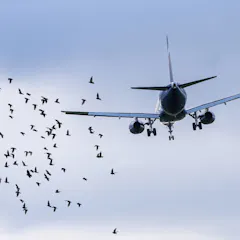
Collisions between birds and planes peak at the end of the breeding season when fledglings join flocks. For these young birds, avoiding foreign objects in the flight path may be a learned behaviour.

As climate change threatens their food supply, migratory birds may find help in an unlikely place.

Migrating birds need stopover locations en route where they can rest and feed. A new study shows that artificial light draws them away from sites they would normally use and into risky zones.

Muttonbird ‘wrecks’ are becoming more common. Despite speculation about many possible causes, the evidence points to changes in the Arctic ocean ecosystem from where the birds migrate to Australia.

By adding stickers to glass walls and dimming lights, cities can be safer places for migrating birds.

Birds are master navigators, negotiating journeys of thousands miles each year.

Some birds may effectively possess an in-built, global GPS system.
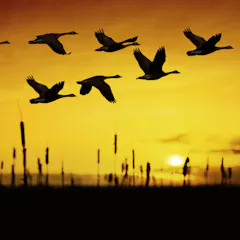
Geese honk loudly and point their bills toward the sky when they’re ready to start the migration. Here’s how they know it’s time, how they navigate and how they conserve energy on the grueling trip.
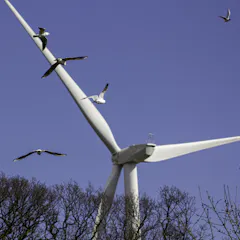
Black turbine blades seem to reduce bird collisions, but it’s important to know why.
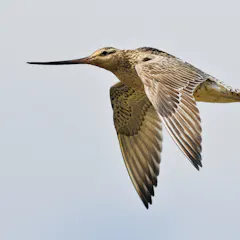
Researchers have discovered an alarming new threat to one of the most incredible wildlife migrations on Earth.
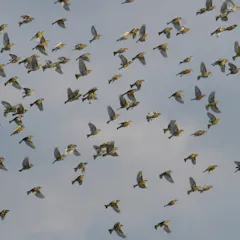
Migrating to Europe changed the immune systems of birds who no longer needed to worry about African diseases.
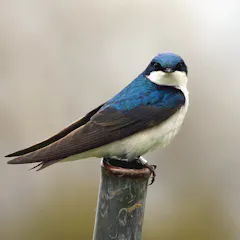
Effective conservation of migratory songbirds requires an understanding of how populations are connected between seasons. The challenge is being able to track individuals throughout the entire year.
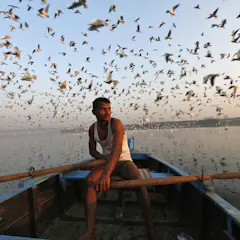
Migratory animals are often blamed for the global spread of disease. However, recent research indicates they may not be the primary culprit.
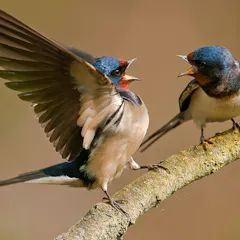
If Europe is going to reap the benefits of conservation measures at home, its experts need an understanding of where “their” birds migrate to when they head off to Africa.

New research reveals how birds navigate their way over thousands of miles.

We aren’t just jostling with each other for beach space. Scuttling, waddling, hopping or flying away from beachgoers all around Australia, wildlife struggles to survive the daily disturbances.
Top contributors
-

Professor of Animal Behaviour, Bangor University
-
Postdoctoral Fellow and Avian Behavioural Ecologist, University of Cape Town
-
ARC DECRA Research Fellow, Centre for Biodiversity & Conservation Science, The University of Queensland
-
Research Professor, James Cook University
-
BBSRC David Phillips Research Fellow and Hans Gadow Lecturer, University of Cambridge
-
Lab manager and researcher, University of Guelph
-
Professor in Biodiversity and Conservation, The University of Queensland
-
Postdoc, University of Konstanz
-
Alfred Deakin Professor and Chair in Ecology, Deakin University
-
Humboldt Postdoctoral Fellow, Goethe University Frankfurt am Main
-
Senior Lecturer in Ecology, University of Wollongong
-
Research assistant, The University of Queensland
-
Research fellow, Deakin University
-
ARC DECRA Fellow, Institute for Marine and Antarctic Studies, University of Tasmania
-
Professor, Biodiversity Informatics, University of Cape Town