
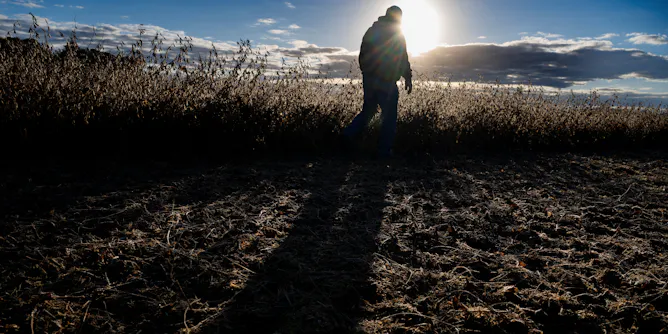
The US government used to have American farmers’ backs, but that support has been dwindling for decades. New subsidies signal big changes for farmers.
Articles on Migrant farm workers
Displaying 1 - 20 of 22 articles

A resilient and affordable food system depends on good quality jobs in agriculture.
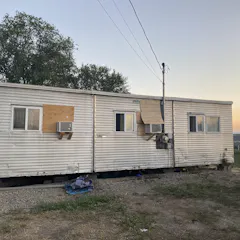
Canada’s ability to produce food hinges on hiring migrant agricultural workers. Yet, housing for these workers is often overcrowded, dangerous and undignified.

Farm certification offers a potential strategy to improve labour standards, uphold rights, and amplify migrants’ voices.

Michigan’s migrant farmworkers are the backbone of the country’s second-most diverse agricultural economy. Social and labor protections for them fall short.

The federal government needs to recognize and address the structural problems of the current migration system that lead to migrants living and working in Canada without authorized immigration status.
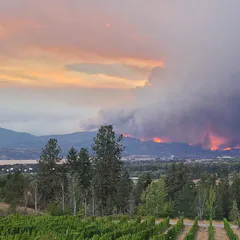
Natural hazards like wildfires are adding yet more challenges to the difficulties many migrant workers face.
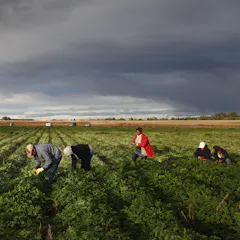
Agriculture is one of the most dangerous industries in the US, with workers exposed to vehicles, chemicals and heavy equipment. Women working on farms face another risk: sexual assault.

A 90% crop loss in the Peach State may sound like a disaster, but Georgia isn’t actually the Big Apple of peach production that it claims to be.

Amendments to the Immigration and Refugee Protection Regulations fail to address the power imbalances at the heart of the temporary foreign worker program.

Australia is rapidly expanding visa programs for Pacific Islanders to fill labour shortages. More needs to be done to overcome cultural tensions in local communities.

Poor housing put migrant workers at risk for COVID-19. A federal government consultation on national housing standards is a crucial opportunity to support migrant workers’ health, safety and dignity.
Rather than listening to the grievances of illegal farm workers Australia is threatening them with exploitation while broadening the means by which agricultural employers can bring workers into Australia.
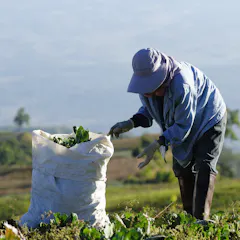
Many farmers want to do the right thing. But their livelihoods will be threatened if weak visa rules allow dodgy operators to mistreat migrant workers.

The promise of labour mobility in the Australian government’s new temporary migrant labour scheme is mostly for employers, not workers.
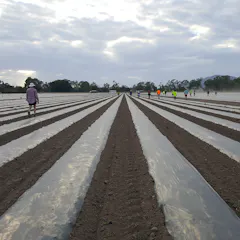
Tying migrant workers to one employer as a visa condition stymies their capacity to act in the face of poor conditions.
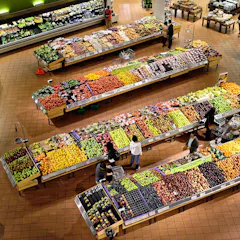
How to keep food prices down? Use technology to change the way we produce food and public policy to ensure there’s a fair price put on things like climate change, human labour and animal welfare.
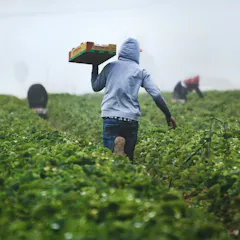
For much of its history Canada has encouraged people to come and work in this country. However, racialized migrant workers often face an immigration system designed to leave them powerless.

The COVID-19 pandemic has brought further suffering to migrant workers in Canada already experiencing the abuses of discriminatory immigration policies and poor working conditions.

How we treat migrant workers who put food on our tables: Don’t Call Me Resilient EP 4 transcript
Top contributors
-

Associate Professor, Nursing, Western University
-
Doctoral Candidate, Medical Anthropology, University of Toronto
-
Senior Research Fellow, Alfred Deakin Institute for Citizenship and Globalisation, Deakin University
-
Assistant Professor, Sociology, University of Victoria
-
Associate Professor of Health Studies, Research Associate, International Migration Research Centre, Wilfrid Laurier University
-
Senior Lecturer, Griffith University
-
Assistant Professor, Department of Social Medicine Population and Public Health, University of California, Riverside
-
Assistant Professor, Documentary Film, OCAD University
-
Postdoctoral Fellow, University of California, Berkeley
-
Professor, Lincoln Alexander School of Law, Toronto Metropolitan University
-
Director, Food and Agriculture Institute, University of The Fraser Valley
-
Lecturer in History, Hamilton College
-
Ph.D. Candidate in Rural Sociology & International Agriculture and Development, Penn State
-
Director of the Arrell Food Institute and Professor in the Dept. of Geography, Environment and Geomatics, University of Guelph
-
Professor, Human Resources and Labour Relations, Athabasca University