

The 2025 Immigration Plan aims to cut the numbers of temporary migrants in Canada from 6.5 per cent to five per cent of the population. Instead, it will boost the number of non-status people.
Articles on Temporary Foreign Worker Program
Displaying all articles

Upcoming changes to the Temporary Foreign Worker Program should include improvements to the Open Work Permit for Vulnerable Workers.

Canada’s beef processing sector heavily depends on low-wage immigrant and temporary migrant workers, exploiting them to sustain a workforce that is less likely to push for better working conditions.

Rather than tinkering around the edges, the federal government needs to fundamentally overhaul the Temporary Foreign Worker program to end the exploitation of these workers.
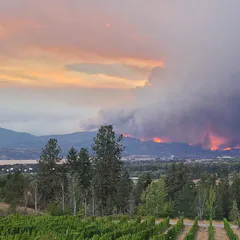
Natural hazards like wildfires are adding yet more challenges to the difficulties many migrant workers face.

Long-haul truckers often work grueling schedules with few breaks and face pressures that place their safety and that of others at risk.
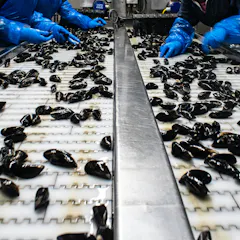
Debates about public safety and temporary foreign workers continue without input from those whose health is most affected. Migrant workers themselves are largely invisible amid discussions about risk.
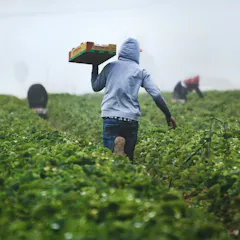
For much of its history Canada has encouraged people to come and work in this country. However, racialized migrant workers often face an immigration system designed to leave them powerless.

The COVID-19 pandemic has brought further suffering to migrant workers in Canada already experiencing the abuses of discriminatory immigration policies and poor working conditions.
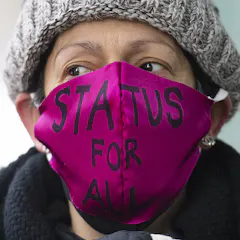
How we treat migrant workers who put food on our tables: Don’t Call Me Resilient EP 4 transcript
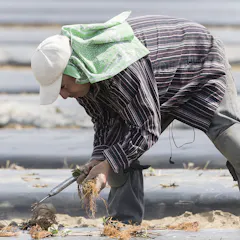
COVID-19 has proven that prioritizing the economy over the lives of the poorest and most vulnerable should never be an acceptable fix to economic woes.
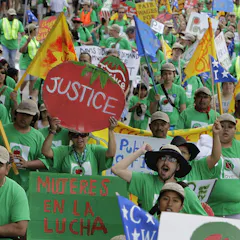
Female migrant farm workers across North America are vulnerable to sexual abuse and assault because the systems set up to temporarily employ them offer no protections or access to citizenship.
Top contributors
-

College Professor of Anthropology, Okanagan College
-
Assistant Professor, Sociology, University of Victoria
-
Social Justice Lawyer & Assistant Professor, York University, Canada
-
PhD Student in Geography, Queen's University, Ontario
-
Intercultural Coordinator, Thompson Rivers University, Simon Fraser University
-
Professor, Department of Sociology, St. Thomas University (Canada)
-
Associate professor, Dalhousie University
-
PhD Student in Geography and Urban Planning, Queen's University, Ontario
-
Professor of Geography, Queen's University, Ontario
-
Master's Student, Interdisciplinary Studies, Athabasca University
-
Assistant Professor, Sociology, Athabasca University
-
Assistant Professor, Documentary Film, OCAD University
-
Assistant Professor of Human Geography, Queen's University, Ontario
-
Professor, Faculty of Environmental and Urban Change, York University, Canada
-
Assistant Professor, Department of Geography & Environment, University of Lethbridge