
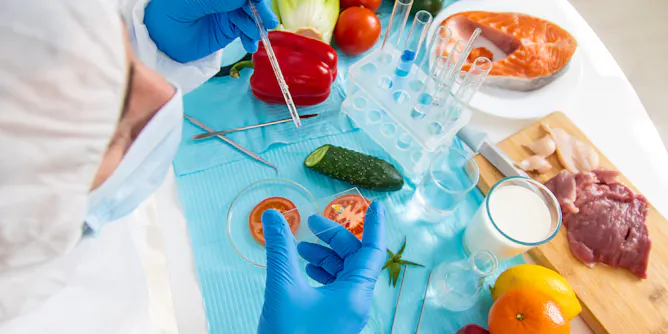
Intensive antibiotic use in farming has created the ideal conditions for resistant bacteria, viruses and fungi to develop.
Articles on Microorganism
Displaying all articles

Most pool-related illnesses won’t kill you, but no one wants to spend their vacation or a week of beautiful summer days in the bathroom.
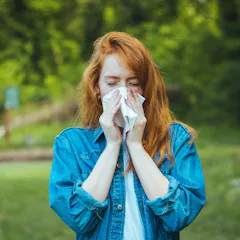
Children who grow up on farms are less likely to develop asthma or allergies as adults. The reason? Micro-organisms in the air.
You can buy probiotics and prebiotics at the supermarket or pharmacy. But do they help your gut? Or are we better off eating fermented food such as cheese or kimchi?

New research suggests the gut bacteria of red and grey squirrels differ significantly, potentially explaining the decline of the native red and the success of its grey counterpart.

Your immune system is often able to fend off pathogens it’s never seen before. But defending your body against all of them all at once is a tough challenge.
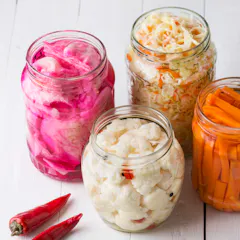
Probiotics are great for your gut, but which sources contain the most beneficial bacteria? Newly developed sensors are helping scientists figure it out.
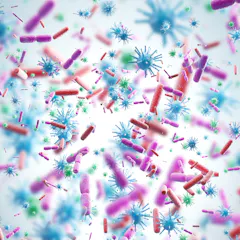
Most people have heard of the gut microbiome, but the lungs, skin, mouth and genitals all have their own unique microbiome.

You can squash small bugs by stepping on them, but can you crush even tinier microorganisms like viruses and bacteria? It turns out that you’d need to apply a lot of pressure.

Food safety means checking the source and paying attention to hygiene and storage.

Raw flour at the store still contains live microorganisms. And while cooking can kill the fungi, it doesn’t destroy any illness-causing mycotoxins that might be present.

Fossil evidence of how the earliest life on Earth came to be is hard to come by. But scientists have come up with a few theories based on the microbes, viruses and prions existing today.

There are more microorganisms in a teaspoon of soil than there are humans on Earth – but what are they all up to?
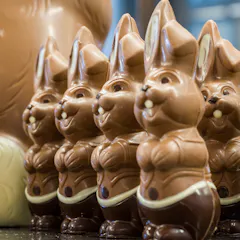
Sauerkraut, sourdough, beer…and chocolate? They’re all fermented foods that rely on microbes of various types to transform the flavor of their raw ingredients into something totally different.

Research by author and her students about palm oil waste water processing using Microbial Fuel Cells at the Faculty of Biotechnology, Atma Jaya Catholic University of Indonesia

Water at informal settlements, where sanitation and waste management facilities were absent, had high bacteria levels.
Top contributors
-

Associate professor, University of KwaZulu-Natal
-
Associate Professor of Chemical and Biological Engineering, Colorado State University
-
Professor of Chemical and Biological Engineering, Colorado State University
-
Honorary Associate Professor
-
Associate Professor, University of Birmingham
-
Associate Professor of Microbiology and Cell Science, University of Florida
-
Associate Lecturer, Department of Biology, Lund University
-
Professor of Chemistry, Clemson University
-
Associate Pro Vice-Chancellor: Innovation and Knowledge Exchange, University of Nottingham
-
Professor of Food Science and Technology, The Ohio State University
-
Lecturer at Faculty of Biotechnology, Universitas Katolik Indonesia Atma Jaya
-
Professor Emeritus of Microbiology, University of Connecticut
-
Senior Food Scientist at the CSU Spur Food Innovation Center, Colorado State University
-
Honorary Visiting Research Fellow, Bangor University
-
Professor of Chemistry, Clemson University