
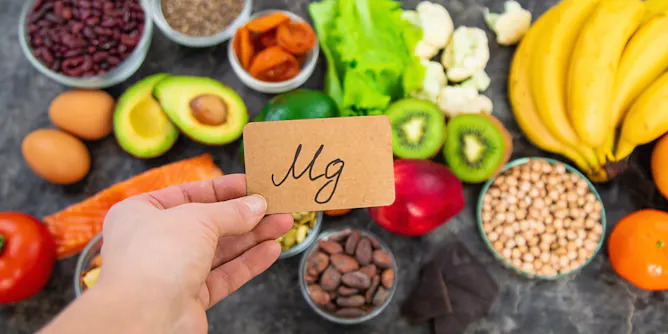
Magnesium supplements generally benefit people suffering from deficiency.
Articles on Micronutrients
Displaying 1 - 20 of 26 articles

Iodised salt has begun to fall out of fashion in recent years.
Teenagers with dysregulation disorders and from low-income families showed the strongest improvements in response to a treatment with micronutrients.
Millions suffer from deficiencies in micronutrients like zinc, iron, iodine and selenium.

Dietary supplement companies tout chromium as a way to boost energy, weight loss and blood sugar control. But the studies behind these claims are either flawed or inconclusive.

Proteins and micronutrients are key to reducing the risks of exercising later in life.

You need only trace amounts of selenium to survive. Falling outside of this narrow therapeutic window can have significant health consequences.

Rising carbon dioxide levels in the air are making plants grow larger and faster, but diluting their nutritional content. This could threaten the health of herbivores worldwide.

Adding vitamin and mineral supplements to the diet of pregnant women with antenatal depression not only reduced their symptoms and improved their functioning – it also benefitted their infants.

Our study found that before pregnancy, nine in ten women had low blood levels of many important vitamins.

The turkey doesn’t have to be the star this Thanksgiving. Vegetable side dishes are packed with nutrients − depending on how you prepare them, they can help keep you energized this holiday season.

While most of us aren’t getting enough magnesium, supplements may not be necessary.

No, you’re not imagining it. Some people really do experience bloating or gut upset when they eat a lot of salad.
Each food-based vitamin A programme carries different advantages and issues.

While iron and calcium are the metals that get the most attention, zinc is also important for human health and function.
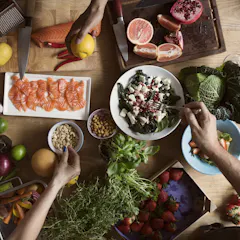
Scientists are just beginning to decode the genetic messages in your food – and how that may affect your health.

Adolescence lies between childhood and adulthood, but adolescents are neither big children nor little adults. They have increased food requirements to support their rapid physical growth and maturation.

Shakuntala Haraksingh Thilsted, a native of Trinidad and Tobago, is the winner of the 2021 World Food Prize for her work identifying small fish as valuable nutrition sources for developing countries.
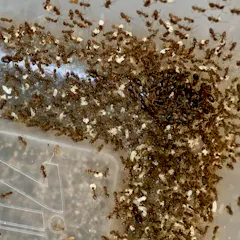
The spread of tawny crazy ants may be driven, in part, by their need for calcium. The calcium-rich limestone bedrock of the lower U.S. Midwest may provide ideal conditions for populations to explode.
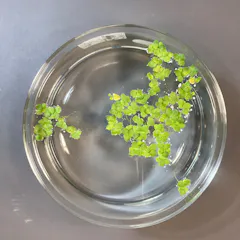
Duckweed is the perfect space food: small, fast-growing and nutritious. By studying how light levels changed the production of radiation-fighting antioxidants, researchers made it even better.
Top contributors
-

Professor of Psychiatry, University of Otago
-
Professor of Psychology, University of Canterbury
-
Professor of Global Health and Environmental and Occupational Health Sciences, University of Washington
-
Professor, School of Health Sciences, University of Newcastle
-
Assistant Professor in Nutrition & Dietetics, University of Canberra
-
Profesora Lectora del Departamento de Enfermeria Fundamental y Clínica. Facultad de Enfiermeria. Universidad de Barcelona, Universitat de Barcelona
-
Catedrática del Departamento de Nutrición, Ciencias de la Alimentación y Gastronomía, Universitat de Barcelona
-
Professor of Animal Pathology, Universidade de Santiago de Compostela
-
Profesora lectora e investigadora del Departamento de Enfermería Fundamental y Clínica, Universitat de Barcelona
-
Professor of Nutritional Sciences, University of Lancashire
-
Professor (Food Science & Human Nutrition), Singapore Institute of Technology
-
Postdoctoral Research Assistant in Nutrition, University of Lancashire
-
Professor of Community Health and Wellbeing, The University of Queensland
-
Associate Professor of Sustainability Science, Duke University
-
Honorary Associate Professor, University of Leicester