
Historical events hold lessons about collaboration and competition in space that could inform how experts plan for the discovery of life beyond Earth.
Articles on Microbial life
Displaying 1 - 20 of 26 articles
Microbial ecology helps explain how ecosystems respond to environmental pressures.

Seagrasses are often overlooked, but they are among the most important coastal habitats on Earth.
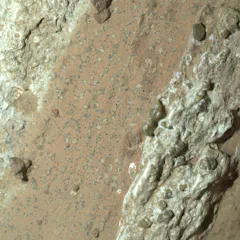
The rock is peppered with spots that could have been formed by microbes four billion years ago.
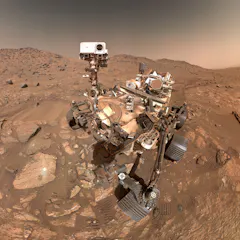
Scientists will have to check whether the samples contain living microbes before they can be safely studied.
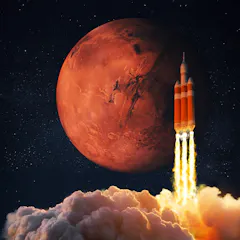
Microbes could pump out oxygen on Mars.
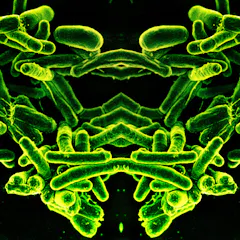
Bacteria that are mirror images of existing ones could evade our immune systems, causing serious illness.
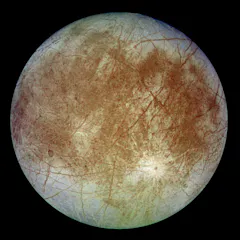
Only about 12kg of oxygen is produced per second on Europa, which is on the lower side of previous estimates from about 5kg to 1,100 kg per second.
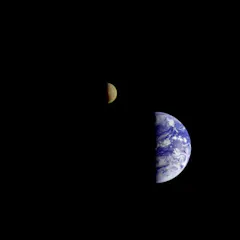
Control experiments are critical in informing the search for alien life.
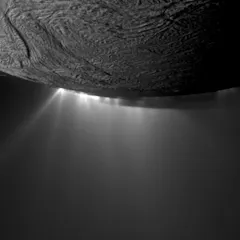
Five out of the six essential elements required for life on Earth were known to exist on Enceladus. Now the sixth and final one has been found too.

Groundwater is the second-largest store of water on Earth. Governments and industry use groundwater reservoirs to store waste, but it may also have environmental functions that haven’t been revealed.
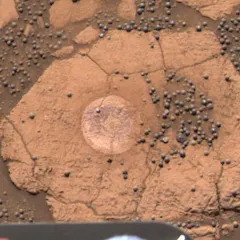
No conclusive evidence that extraterrestrial life exists has been found…yet.
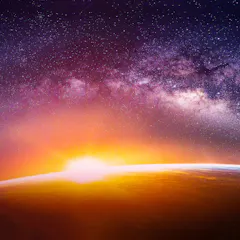
A new study argues we should search for microbial life rather than human-like aliens.

Scientists are starting to use genetic information from bacteria to measure the health of vast areas of the ocean.
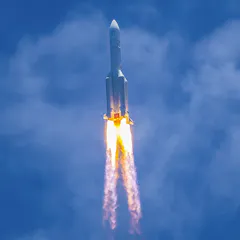
If China succeeds, it will be the first country ever to visit and land on Mars on its first try.

Water at informal settlements, where sanitation and waste management facilities were absent, had high bacteria levels.
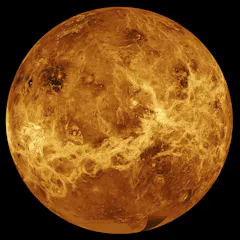
Scientists don’t claim to have evidence of life on Venus but they have ruled out pretty much everything else.
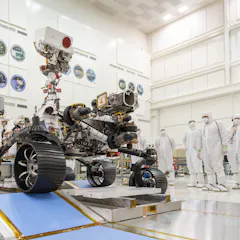
This summer, NASA’s Mars Perseverance rover is taking the next giant leap in our search for signs of life beyond Earth.
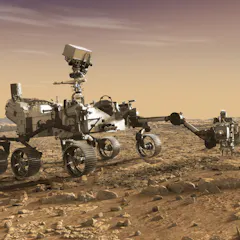
Collecting samples from Mars and brining them back to Earth will be a hugely complicated task, but it may be our best bet of finding alien life.
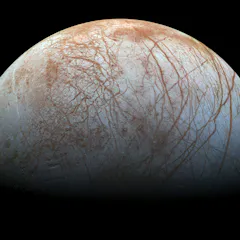
NASA’s Europa Clipper mission just got the green light - here’s what it could achieve.
Top contributors
-

Postdoctoral research associate, University of Oxford
-
Professor of Physics, Deputy Director (Solar System) at the Mullard Space Science Laboratory, UCL
-
Professor of Planetary and Space Sciences, The Open University
-
Senior Lecturer in Biology, Brunel University of London
-
Professor, Department of Hydrology and Atmospheric Sciences, University of Arizona
-
Professor of Planetary Geosciences, The Open University
-
Assistant Professor of Zoology, Universidade de São Paulo (USP)
-
Senior Lecturer in Physics, Nottingham Trent University
-
Associate professor, University of KwaZulu-Natal
-
Research Fellow/Reader in Planetary Physics, Lancaster University
-
Lecturer in Astronomy, Nottingham Trent University
-
Professor, Department of Civil, Geological and Environmental Engineering and School of Environment and Sustainability, University of Saskatchewan
-
Associate Professor of Planetary Science, Western Washington University
-
Assistant Professor of Biological Sciences, Mississippi State University
-
Honorary Professor, University of Buckingham