
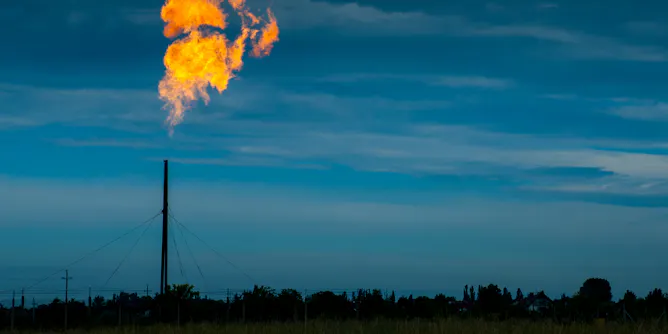
A new study shows how we can meet the goals of the Paris Agreement by changing the value of different greenhouse gases over time.
Articles on Methane
Displaying 81 - 100 of 167 articles
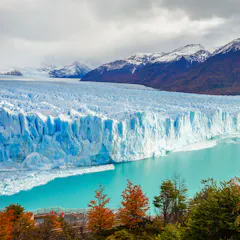
Glaciers aren’t sterile wastelands – they’re chock-full of microscopic life.

The lead author of a new UN report on methane explains the findings and how oil and gas companies could be making money and saving the climate at the same time.
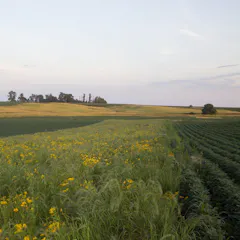
Farmers can help slow climate change by mixing native grasses into croplands, restoring wetlands and raising perennial crops. These strategies also conserve soil and water and build new markets.
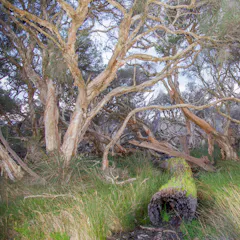
Scientists are learning trees can emit methane, which could be a big problem for global warming. But a world-first discovery of methane-eating bacteria in paperbark can help moderate this.
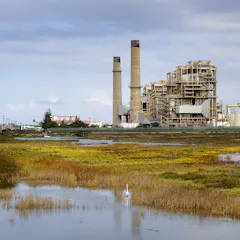
Scientists previously underestimated aquatic methane emissions. We must use this new information to stop methane derailing our attempts to stabilise the Earth’s temperature.
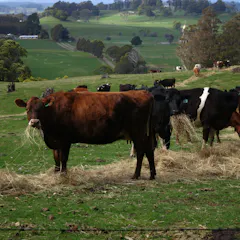
Cow burps and farts are no joke – they’re a big factor in climate change. A new study shows that daily seaweed supplements could tame this major methane source while saving ranchers money.
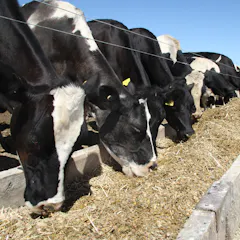
No-one says reducing emissions from the agriculture sector will be easy. But it must be done, or farmers will suffer the most.

Despite the government spruiking a ‘gas-led economic recovery’, natural gas is clearly on the way out. It’s time for a serious rethink on the way many Australians cook and heat our homes.
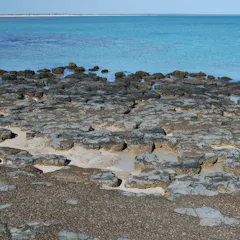
The end-Triassic mass extinction was a cataclysm for the world’s prehistoric species, killed off by volcanoes that altered Earth’s seas and skies. But new research shows it didn’t happen when we thought.
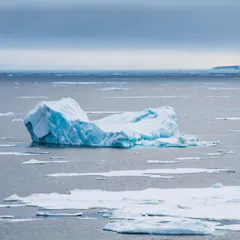
If so, then the possibility of planetary super-heating in future has just become much more real.
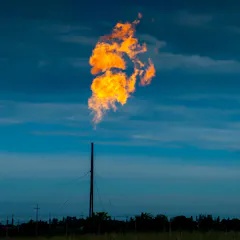
Methane is a live-fast, die-young greenhouse gas but its impact on the climate can last for hundreds or even thousands of years
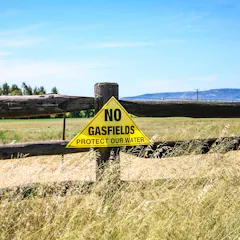
Investment in gas will not herald Australia’s economic recovery. It’s likely to hinder it.
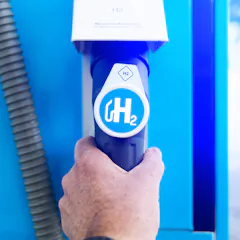
Hydrogen is hailed as a new clean fuel, but little attention has been paid to the potential environmental challenges presented by the energy shift.

Such a large accumulation of methane in a lake is unique, and has never been reached in any other lakes.
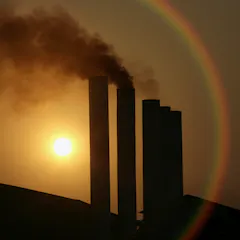
In Australia, methane emissions from fossil fuels are rising due to expansion of the natural gas industry, whereas agriculture emissions are falling.

Energy companies are marketing a new fuel: ‘renewable’ natural gas. But it’s not the same from a climate change perspective as wind or solar energy.
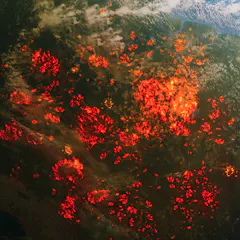
If we had not altered the composition of the atmosphere at all through emitting greenhouse gases, particulate matter and ozone-destroying chemicals, the average temperature would have remained stable.
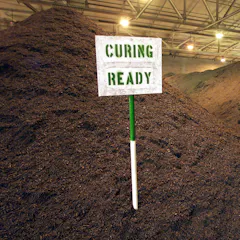
Turning food scraps and yard trimmings into compost improves soil, making it easier for people to grow their own food. City composting programs spread those benefits more widely.

The wet and low-lying East Siberian Arctic is likely to be a major methane source in the coming decades.
Top contributors
-

Chief Research Scientist, CSIRO Environment; Executive Director, Global Carbon Project, CSIRO
-
Professorial Fellow, School of Geography, Earth and Environmental Sciences, University of Birmingham
-
Research Group Leader, CSIRO
-
Professor, Department of Earth System Science, and Chair of the Global Carbon Project, Stanford University
-
Research scientist, NASA
-
Professor of Earth Sciences, Royal Holloway, University of London
-
Honorary Fellow, CSIRO
-
Professor & Director, Primary Industries Climate Challenges Centre, The University of Melbourne
-
Enseignant-chercheur, Laboratoire des sciences du climat et de l’environnement (LSCE), Université de Versailles Saint-Quentin-en-Yvelines (UVSQ) – Université Paris-Saclay
-
Professor of Climate Sciences, Duke University
-
Principal Research Scientist, CSIRO
-
PhD candidate, Connected Waters Initiative, UNSW
-
Head of Atmospheric, Oceanic and Planetary Physics, University of Oxford
-
Professor and Director of Research, ANU Law School, Australian National University
-
Professor in Earth Sciences, Nanyang Technological University, Singapore, and Emeritus Professor of Mineral Physics, University of Cambridge