
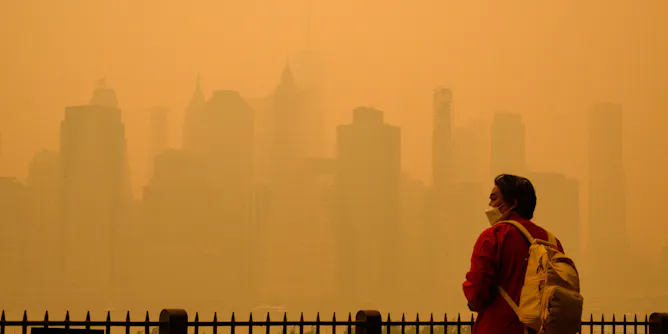
So much pollution goes into the air today that even without wildfire smoke, 99% of the global population breathes unhealthy air.
Articles on Methane
Displaying 41 - 60 of 167 articles
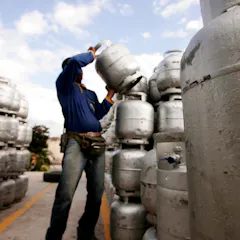
LPG meets household needs, is easy to store and transport, and - crucially - is available now in the quantities needed.
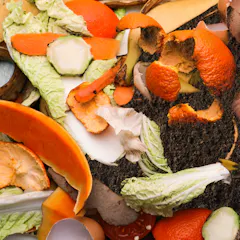
When food scraps and garden clippings are sent to landfill, it’s not just a waste of nutrients and water. The rotting organic matter trapped in landfill produces methane, a potent greenhouse gas.
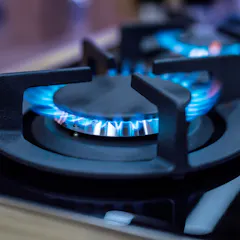
Domestic use of natural gas is a minimal contributor to overall greenhouse emissions. There should be no rush to ban it before better, cheaper options are in place.
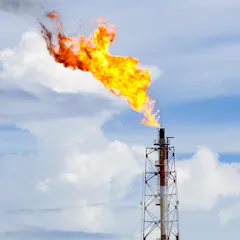
Major sources, like oil and gas ‘super-emitters’, are almost entirely neglected by regulations.

The government is considering blending hydrogen into the UK gas network.

People are becoming more aware of the health risks of laughing gas, but fewer people realise it’s a potent greenhouse gas.

Seaweed is in the spotlight for so many reasons. It all sounds too good to be true. So can this wonder weed live up to expectations and fulfill its promise to save us from ourselves?
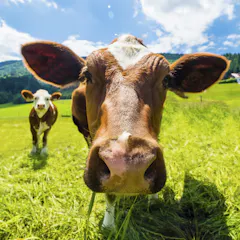
New Zealand is considering a plan to tax methane from cows. But while cows and cars both emit greenhouse gases, they don’t have the same impact over time.

Culling water buffalo is expensive. What if land managers could earn carbon credits for controlling the numbers of these methane-belching animals?
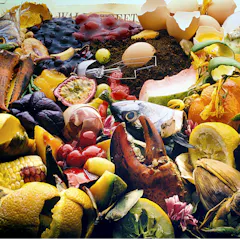
Reducing food waste at home is an action that anyone can take to help slow climate change, often saving money in the process. More consumer education could help show people what to do.

Tangible solutions would reduce livestock methane emissions, while also improving productivity and livelihoods.
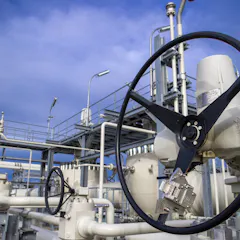
130 countries have signed a pledge to cut methane emissions by 30%. Success could have a swift impact on global warming.
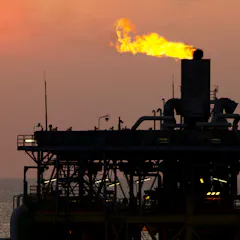
An update to the 2021 Global Methane Pledge could see tighter restrictions on oil and gas leaks.

Togo can take bold actions to reduce climate change emissions and also improve the health of its citizens.

The agriculture and fossil fuel industries are the biggest sources of methane emissions in Australia. Here’s how signing the pledge may affect them.

Australia has a vast network of undersea cables and pipelines. Bolstering their security must be a priority.

Natural gas has been marketed for decades as a clean fuel, but a growing body of research shows that gas stoves can contribute significantly to indoor air pollution, as well as climate change.
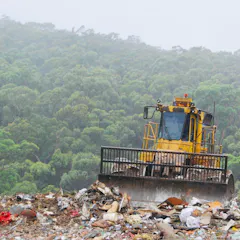
The landfill industry’s decision to speak out about the integrity of carbon credits provides an opportunity to put the system back on the rails.

Vegetarian and vegan diets are the best for the planet. But most omnivores simply won’t switch to them. It’s realistic to promote the Mediterranean diet instead.
Top contributors
-

Chief Research Scientist, CSIRO Environment; Executive Director, Global Carbon Project, CSIRO
-
Professorial Fellow, School of Geography, Earth and Environmental Sciences, University of Birmingham
-
Research Group Leader, CSIRO
-
Professor, Department of Earth System Science, and Chair of the Global Carbon Project, Stanford University
-
Research scientist, NASA
-
Professor of Earth Sciences, Royal Holloway, University of London
-
Honorary Fellow, CSIRO
-
Professor & Director, Primary Industries Climate Challenges Centre, The University of Melbourne
-
Enseignant-chercheur, Laboratoire des sciences du climat et de l’environnement (LSCE), Université de Versailles Saint-Quentin-en-Yvelines (UVSQ) – Université Paris-Saclay
-
Professor of Climate Sciences, Duke University
-
Principal Research Scientist, CSIRO
-
PhD candidate, Connected Waters Initiative, UNSW
-
Head of Atmospheric, Oceanic and Planetary Physics, University of Oxford
-
Professor and Director of Research, ANU Law School, Australian National University
-
Professor in Earth Sciences, Nanyang Technological University, Singapore, and Emeritus Professor of Mineral Physics, University of Cambridge