
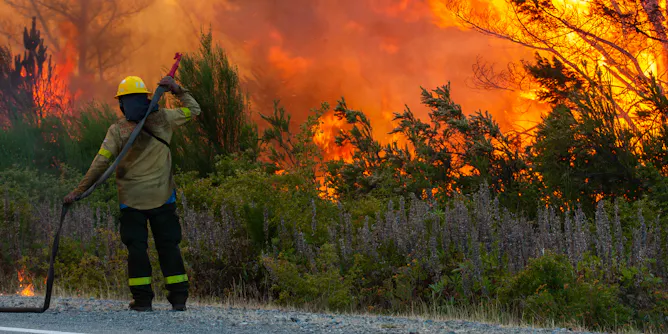
Climate change’s assault on the natural world may explain mystery methane emission surge.
Articles on Methane
Displaying 61 - 80 of 167 articles
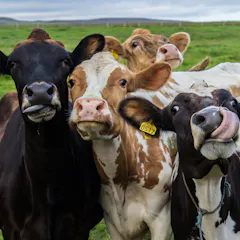
If the UK government is to cut methane emissions by 30% before 2030, it needs fewer cows and more crops.
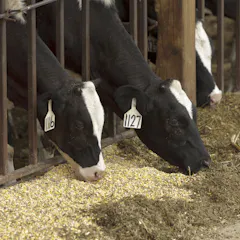
Feeding insects instead of grain to animals is an inexpensive, sustainable way to increase the world food supply. An animal scientist explains what’s involved in developing insect feed for cattle.
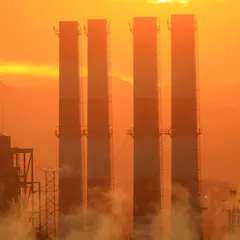
Thanks to humans, the concentration of planet-warming carbon dioxide in the atmosphere is now 50% higher than before the industrial era. These gases are raising Earth’s temperature.
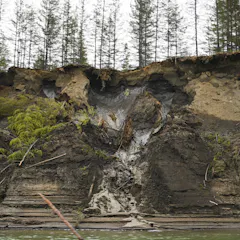
Ground is collapsing and massive lakes are draining in a matter of days. Thawing permafrost is having profound effects on the region and its infrastructure.
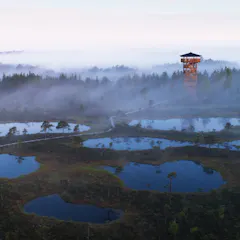
Recent estimates put atmospheric methane at 1,900 parts per billion – close to triple its pre-industrial average.
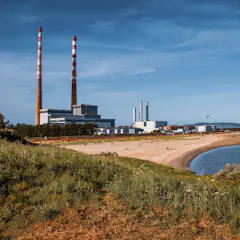
To combat global warming we need to use atmospheric greenhouse gas observations to keep track of emissions.
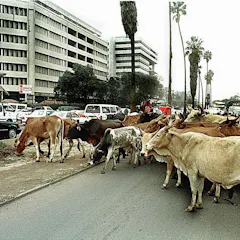
Un discours simpliste tenu par des activistes, des célébrités, des philanthropes, des décideurs politiques voudrait que « tous les animaux d'élevage soient mauvais ». Ce qui est loin de la réalité.
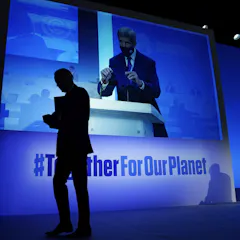
Of the big pledges so far at the UN climate conference, cutting methane could have the most immediate impact.
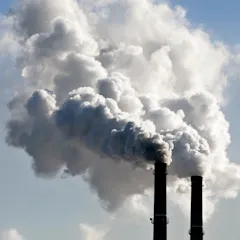
Targets for reductions in methane and other greenhouse gases should be guided by science, and set in line with the Paris deal.
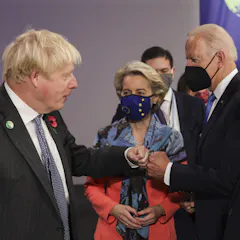
Cutting methane emissions by 30% will help slow climate change in the short-term but could compromise longer-term goals.
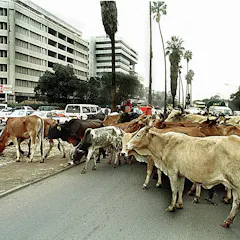
A simplistic ‘all livestock are bad’ narrative is promoted by campaigners, celebrities, philanthropists and policymakers alike. A much more sophisticated debate is needed.

Natural gas was once widely seen as a bridge fuel to renewable energy. But the industry’s methane leaks make it a larger global warming threat than people realized.
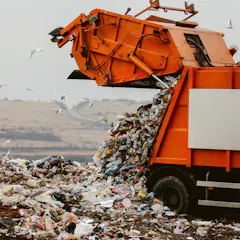
A high court judge said the Environment Agency was failing to fulfil its legal duty to protect the public.

It’s the World Health Organization’s first update of global air quality guidelines since 2005. We know far more today about the serious risks these pollutants pose to human health.
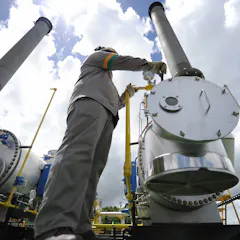
A large amount of methane emissions come from natural gas infrastructure and landfills – all problems companies know how to fix.
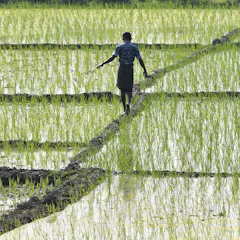
A new study provides a detailed way to calculate the climate impact of food production, which could lead to more sustainable farming policies and methods.

Hydrogen fuel derived from natural gas may be worse for the climate than the fossil fuel even with carbon capture and storage.

The results of Foote’s simple experiments were confirmed through hundreds of tests by scientists in the US and Europe. It happened more than a century ago.

If the G7 is serious about stopping global warming, it could start by acknowledging who and what is causing it.
Top contributors
-

Chief Research Scientist, CSIRO Environment; Executive Director, Global Carbon Project, CSIRO
-
Professorial Fellow, School of Geography, Earth and Environmental Sciences, University of Birmingham
-
Research Group Leader, CSIRO
-
Professor, Department of Earth System Science, and Chair of the Global Carbon Project, Stanford University
-
Research scientist, NASA
-
Professor of Earth Sciences, Royal Holloway, University of London
-
Honorary Fellow, CSIRO
-
Professor & Director, Primary Industries Climate Challenges Centre, The University of Melbourne
-
Enseignant-chercheur, Laboratoire des sciences du climat et de l’environnement (LSCE), Université de Versailles Saint-Quentin-en-Yvelines (UVSQ) – Université Paris-Saclay
-
Professor of Climate Sciences, Duke University
-
Principal Research Scientist, CSIRO
-
PhD candidate, Connected Waters Initiative, UNSW
-
Head of Atmospheric, Oceanic and Planetary Physics, University of Oxford
-
Professor and Director of Research, ANU Law School, Australian National University
-
Professor in Earth Sciences, Nanyang Technological University, Singapore, and Emeritus Professor of Mineral Physics, University of Cambridge