

Polycystic ovary syndrome is an inaccurate name for a condition that affects millions of people worldwide. Its new name can help address missed diagnoses and fragmented care.
Articles on Metabolic diseases
Displaying 1 - 20 of 25 articles

PMOS is not primarily a disease of the ovaries. Its new name reflects the condition’s more complex and cyclical endocrine and metabolic features.

Tracking glucose numbers in real time is an increasingly popular wellness trend, but monitoring a constant stream of data can lead to confusion and needless anxiety.

This rare genetic condition isn’t a fruit allergy or sensitivity. Could it explain your symptoms?

One in four can achieve prediabetes remission without losing weight.

Even one night of inadequate sleep can shift your hunger into overdrive, setting off a chain reaction in the brain. But one or two nights of solid sleep can help reset metabolism.

If these findings are confirmed in humans, it could have implications for treating many diseases where the immune system becomes overactive.

It’s not just sugary foods that cause type 2 diabetes. Red meat plays a part too.

The review revealed women reported lower quality sleep compared to men – though men were more likely to stay awake later.

Fruit bats can eat up to twice their body weight in fruit a day. But their genes and cells evolved to process all that sugar without any health consequences − a feat drug developers can learn from.

Nutritionists pick out the most effective intermittent fasting diets based on the latest science.
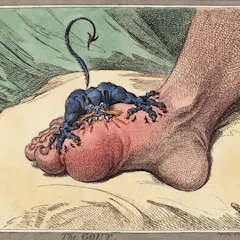
If you’ve ever had a bout of gout, you’ll know it’s truly awful. Here’s what causes it, and what you can do about it.

The type of fat tissue we store in certain parts of our body is partly behind this link.

Some antipsychotics with the worst side-effects are the best at treating symptoms.

What if you could treat obesity, diabetes and high blood pressure just by limiting when you eat and drink all your calories? New research says it might work.

Fasting exercise could help lower your risk of developing type 2 diabetes.

You’ve heard the adage, you are what you eat. But a new study suggests that you are ‘when’ you eat may be more accurate. Restricting eating times can keep chronic diseases at bay and ward off obesity.

Four in five of us have a “biological” age older than our real age, which means we have at least one risk factor that is higher than the number set as “normal”.

It’s time we saw past the mental illness in people living with schizophrenia and bipolar disorder to check their physical health too. Here’s why.

Gaining a better sense of what genes are involved in regulating circadian clocks could put us on a path to find better treatments and therapies to help people adjust to time shifts.
Top contributors
-

Principal researcher at Garvan Institute & Conjoint Professor of Medicine, UNSW,, Garvan Institute
-
Professor of Regulatory Biology at the Salk Institute for Biological Studies, Adjunct Professor of Cell and Developmental Biology at UCSD, University of California, San Diego
-
Professor, Discipline of Psychiatry and Mental Health, UNSW
-
Professor of Neuroscience and Experimental Therapeutics, Texas A&M Health Science Center, Texas A&M University
-
Professor Epidemiology & Equity in Public Health & Director, Institute Health Transformation, Deakin University
-
Lecturer, UNSW
-
Professor of Medicine, The University of Melbourne
-
Mental Health Dietitian, Senior Research Fellow, UNSW
-
Associate Professor of Behavioural Science, University of Sydney
-
Professor of Medicine, endocrinologist and clinical researcher, UNSW
-
Associate Professor of Medicine, University of California, San Diego
-
Assistant Professor of Biology, Menlo College
-
Research Fellow, Macquarie University
-
Professor, Department of Bioengineering and Therapeutic Sciences; Director, Institute for Human Genetics, University of California, San Francisco
-
Associate Professor in Biological Sciences, University of Notre Dame